The Complete Guide to Incinerating Toilets for Off-Grid Living

If you have ever explored options for a cabin, tiny home, boat, or remote property without access to a sewer line or septic system, you have probably come across incinerating toilets. Unlike conventional plumbing systems, these units do not rely on water, pipes, or a drain field. Instead, they use heat to reduce waste to a small amount of sterile ash, offering a completely different approach to sanitation. If you are weighing your options for a property that sits off the grid, understanding how this technology works can help you make a confident decision. How Does an Incinerating Toilet Work At its core, an incinerating toilet uses a heating element, and in some models a fan-driven combustion chamber, to burn human waste at high temperatures. When you use the toilet, waste drops onto a liner or into a bowl that seals off the chamber below. Once the cycle begins, the unit heats the waste to temperatures typically ranging between 1,000 and 1,400 degrees Fahrenheit. This intense heat breaks down organic material, evaporates liquid content, and leaves behind a small quantity of clean, odorless ash. You simply empty the ash tray periodically, and there is no need to touch, transport, or treat raw waste at any point. Many models run on electricity, propane, or a combination of both, and cycle times can range from twenty minutes to a few hours depending on the volume of waste and the specific unit you choose.
The Advantages You Should Know
There are several reasons homeowners, cabin owners, and van dwellers gravitate toward this type of sanitation solution.
No plumbing required. Since these units do not use water, you can install one in a location where running pipes would be impractical or expensive, including remote cabins, boats, and mobile homes.
Reduced environmental impact. Because waste is incinerated rather than flushed into a septic tank or municipal system, there is no risk of groundwater contamination from leach fields.
Compact and self-contained. Most units are freestanding, which means you can install them without major construction work or permits in many jurisdictions.
Odor control. The high-heat process eliminates bacteria and pathogens, which significantly reduces unpleasant smells compared to traditional dry or composting alternatives.
Consistent performance in cold climates. Since there is no water involved, freezing temperatures are not a concern, making these systems appealing for seasonal cabins or northern properties.
The Drawbacks to Consider
No sanitation system is without trade-offs, and it is worth understanding the full picture before you commit.
Energy consumption. Incineration requires significant heat, so these units can draw more electricity or propane than you might expect, which matters if you are relying on solar power or a limited energy budget.
Upfront cost. Compared to a basic dry toilet, incinerating models tend to carry a higher purchase price due to their more complex components.
Noise during operation. The fan and heating cycle can produce noticeable sound, which may be a consideration in a small living space.
Maintenance needs. Liners, filters, and heating elements typically need periodic replacement to keep the unit functioning properly.
Weighing these incinerating toilet pros and cons against your specific living situation, whether that is a weekend cabin, a full-time off-grid residence, or a marine application, is the best way to determine if this sanitation method fits your lifestyle and budget.
Why This Investment Makes Sense
We understand that choosing a sanitation system for a property without conventional plumbing can feel overwhelming, especially with so many technical details to sort through. That is exactly why we focus on breaking down these systems in practical terms you can actually use. Our goal is to help you see past the marketing noise and understand what really matters: reliability, ease of use, and long-term value for your specific setup.
When you are ready to move forward, our resources are designed to walk you through everything from sizing a unit correctly for your household to understanding power requirements before you ever make a purchase. We believe sanitation decisions should not feel complicated, and our aim is to make sure you feel fully equipped with the knowledge to choose a system that suits your space, your budget, and your daily routine.
Making the Right Choice
Ultimately, an incinerating toilet can be a smart, low-maintenance solution for anyone building a life away from traditional infrastructure. By understanding exactly how the technology functions and honestly evaluating the benefits alongside the limitations, you put yourself in the best position to choose wisely. Whether you are outfitting a remote cabin, a tiny home, or a boat, taking the time to research thoroughly now will save you frustration later. And whenever you need clear, straightforward guidance along the way, we are here to help you every step of the process.
Categories
Read More
As a small business owner in the confectionery industry, packaging plays a huge role in both presentation and practicality. Over the years, I’ve learned that the right packaging can elevate a product, protect it during storage and transport, and even help with branding. For my lollipops, I need durable, attractive, and affordable bags—and I’ve found the perfect solution by...

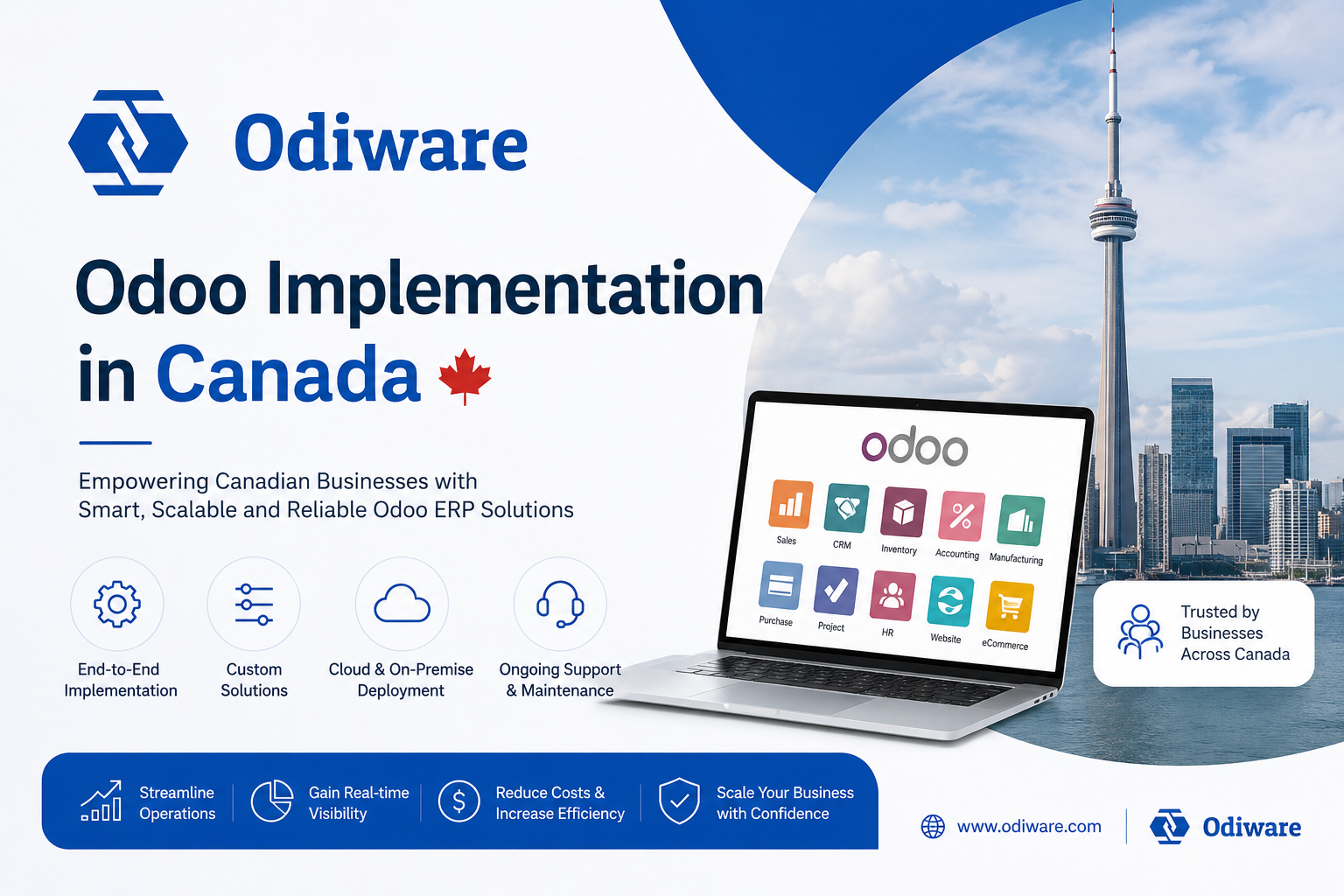
Canadian businesses are rapidly moving toward digital transformation to improve operational efficiency, reduce costs, and stay competitive in evolving markets. As organizations scale, managing multiple disconnected systems becomes increasingly difficult. Businesses often struggle with fragmented workflows, manual processes, inaccurate reporting, and operational inefficiencies. This is where...
A new growth forecast report titled Automated Liquid Handling Technologies Market Size, Share, Trends, Industry Analysis Report: By Product (Automated Workstations and Reagents & Consumables), Application, End User, and Region (North America, Europe, Asia Pacific, Latin America, and Middle East & Africa) – Market Forecast, 2025–2034 introduced by Polaris Market Research...

Knee Brace selection can make a noticeable difference for people involved in sports, fitness activities, and physically demanding occupations. Whether someone spends hours on construction sites, participates in recreational running, or engages in regular gym training, choosing the right product requires attention to several important factors. A well-considered purchase can help users achieve...

In today’s fast-paced world, chronic stress affects nearly everyone. While meditation and exercise are popular solutions, visiting a spa in Bhagyalaxmi Nagar provides a holistic approach that can truly rewire your stress response. Combining physical relaxation, mental focus, and sensory engagement, spa rituals address both body and mind, offering a unique pathway to long-term stress...