


200+ Rare Japanese Last Names and Their Meanings (Unique & Uncommon Surnames)

Japanese last names are admired around the world for their beauty, history, and deep cultural significance. While many people are familiar with common surnames like Sato, Suzuki, and Takahashi, Japan is also home to hundreds of rare and uncommon family names that carry fascinating meanings and unique stories.
If you're searching for rare Japanese last names for a novel, game character, baby name inspiration, or simply to explore Japanese culture, this guide will help you discover some of the most distinctive surnames and what they represent.
What Makes a Japanese Last Name Rare?
Japan has more than 100,000 family names, but many are extremely uncommon. Some rare surnames belong to only a handful of families and may be found in specific villages or regions.
Several factors make a Japanese surname rare:
- It originated from a small local community.
- It reflects a unique geographical feature.
- It has ancient samurai roots.
- It uses uncommon kanji characters.
- It has been passed down by only a few families.
These uncommon surnames often preserve pieces of Japan's history that common names no longer reveal.
Popular Themes Behind Rare Japanese Last Names
Many Japanese surnames are inspired by nature and the surrounding landscape. Common themes include:
Mountains and Forests
Many surnames describe where a family originally lived.
Examples include:
- Yamamine — Mountain peak
- Moribayashi — Forest grove
- Takamine — High mountain
Rivers and Water
Water has always been central to Japanese life.
Examples:
- Kawase — River current
- Mizutani — Water valley
- Hamanaka — Middle of the beach
Plants and Trees
Japanese culture values harmony with nature, and many surnames reflect this.
Examples:
- Yanagi — Willow
- Sakurai — Cherry blossom well
- Kashiwa — Oak tree
Animals
Some rare surnames reference animals that symbolize strength, wisdom, or good fortune.
Examples:
- Tsurumi — Crane beauty
- Washio — Eagle tail
- Kitsune — Fox (very uncommon as a surname)
Examples of Rare Japanese Last Names and Their Meanings
Here are a few uncommon Japanese surnames that stand out because of their beautiful meanings.
| Last Name | Meaning |
|---|---|
| Amahane | Heavenly wings |
| Fujimine | Wisteria peak |
| Hayashida | Forest rice field |
| Kazamori | Wind forest |
| Minazuki | Water moon |
| Shirosaki | White cape |
| Takahara | High plain |
| Yukimura | Snow village |
| Akizuki | Autumn moon |
| Hoshikawa | Star river |
| Kurogane | Steel or iron |
| Mizushima | Water island |
| Hanabusa | Flower cluster |
| Kirishima | Misty island |
| Asahina | Morning sun rice field |
| Tsukishiro | Moon castle |
| Natsume | Summer fruit |
| Aokawa | Blue river |
| Harumine | Spring peak |
| Shinonome | Dawn clouds |
These names combine elegant imagery with meaningful symbolism, making them excellent choices for fictional characters or cultural exploration.
Why Writers Love Rare Japanese Surnames
Authors, manga creators, and game developers often choose rare Japanese last names because they help characters stand out.
A surname can reveal:
- Family heritage
- Personality traits
- Geographic origin
- Symbolic meaning
- Social background
For example, a character with a surname meaning "Snow Village" may evoke calmness, resilience, or isolation, while someone named "Star River" might suggest mystery and hope.
Rare Japanese Last Names Inspired by Nature
Nature plays an important role in Japanese naming traditions. Some beautiful uncommon surnames include:
- Aoyama — Blue mountain
- Kazehara — Wind field
- Shirataki — White waterfall
- Mizunoe — Water inlet
- Tsukikage — Moon shadow
- Komorebi — Sunlight through trees
- Fujibayashi — Wisteria forest
- Hoshinohara — Star field
- Yukihara — Snow plain
- Akikawa — Autumn river
These surnames paint vivid images while honoring Japan's natural landscapes.
Regional Origins of Rare Japanese Surnames
Many uncommon surnames can be traced to specific regions.
For example:
- Okinawa features surnames different from mainland Japan because of the Ryukyu Kingdom's history.
- Mountain villages often developed unique local surnames that never spread widely.
- Remote islands preserved family names for centuries with little outside influence.
Because of this, some surnames are found in only one prefecture or even a single town.
Choosing a Rare Japanese Last Name
Whether you're naming a fictional hero or creating an online persona, consider these factors:
Meaning
Choose a surname whose symbolism matches the character.
Pronunciation
Some rare surnames are difficult for non-Japanese speakers. Pick one that's memorable yet easy to pronounce.
Authenticity
Using genuine Japanese surnames helps create more believable characters and stories.
Theme
Think about whether you want your surname to represent:
- Nature
- Seasons
- Strength
- Peace
- Wisdom
- Mystery
- Honor
- Family heritage
Matching the meaning to your project makes the name feel more meaningful.
Are Rare Japanese Last Names Still Used Today?
Yes. Although many rare surnames belong to relatively few families, they are still legally recognized and passed down through generations.
Modern technology has also helped preserve these unique family names through genealogical records and historical archives. As interest in Japanese culture continues to grow worldwide, these uncommon surnames are becoming increasingly appreciated by researchers, writers, and language enthusiasts.
Tips for Finding the Perfect Japanese Surname
If you're looking through a collection of 200+ rare Japanese last names, keep these suggestions in mind:
- Learn the meaning behind each surname.
- Pay attention to the kanji, as different characters can change the meaning.
- Consider the historical and regional background.
- Choose names that fit your story, game, or creative project.
- Respect Japanese culture by using authentic names thoughtfully.
A well-chosen surname can add depth, personality, and realism to any character or project.
Final Thoughts
Rare Japanese last names offer far more than unique sounds—they carry generations of history, culture, and symbolism. From mountains and rivers to flowers, seasons, and celestial imagery, these surnames reflect the close relationship between Japanese families and the natural world.
Whether you're exploring a list of 200+ rare Japanese last names and their meanings, searching for inspiration for a novel, creating an RPG character, or simply learning about Japanese traditions, uncommon surnames provide a fascinating glimpse into Japan's rich cultural heritage. Each name tells a story, making it more than just a family identifier—it becomes a meaningful connection to history, place, and identity.
الأقسام
إقرأ المزيد
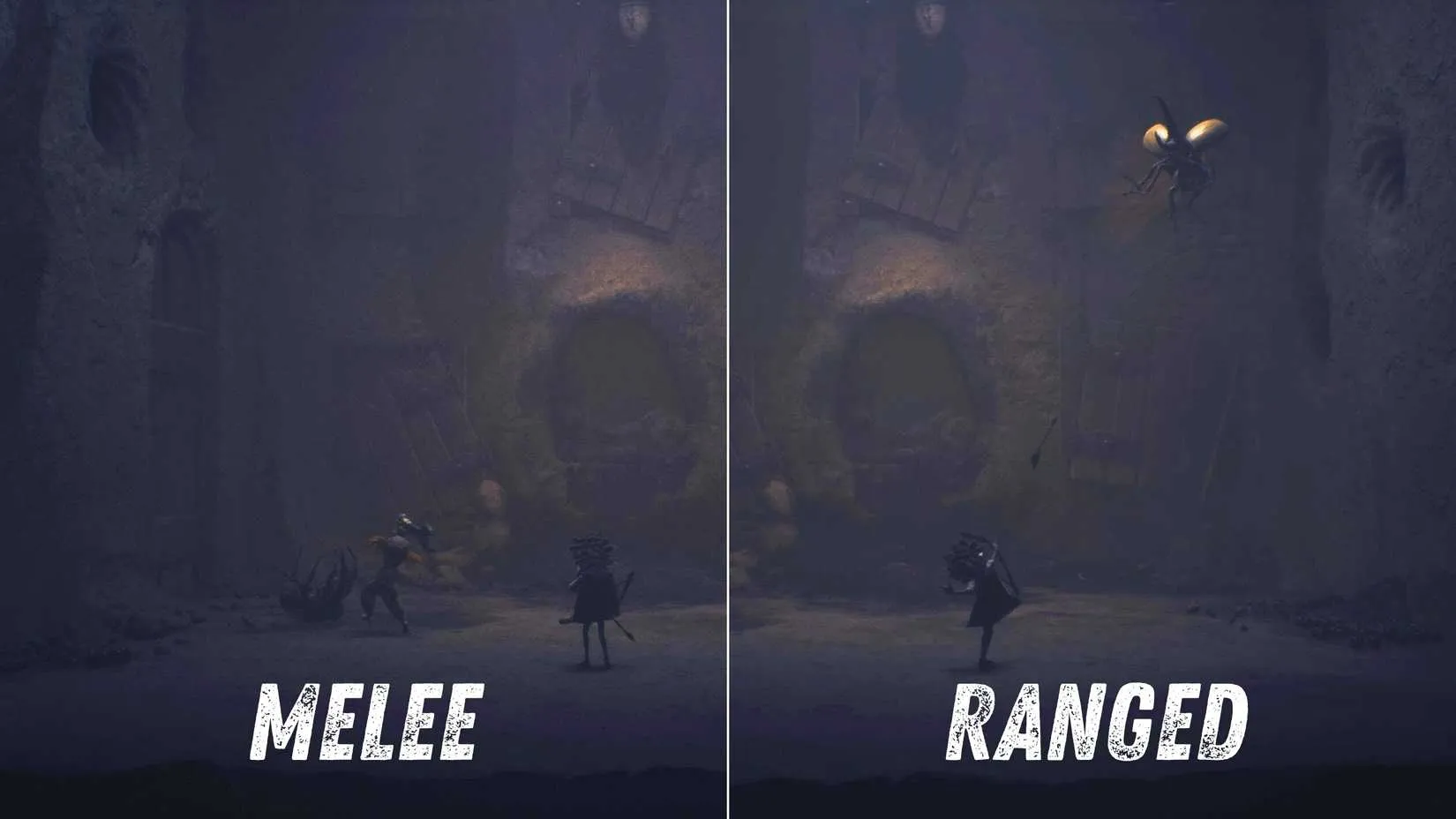
The Spiral has never been pickier. You fire up Little Nightmares 3, controller in hand, ready to dive back into the world’s creepiest dollhouse—and right away, the game shoves two peculiar kids in your face. One’s got pigtails and goggles, the other a crow-skull mask that whispers, “I’ve seen things.” That’s Alone and Low, the first duo of playable...
Trong thoi dai cong nghe so phat trien manh me, nhu cau giai tri truc tuyen cua nguoi dung ngay cang tang cao. Mot trong nhung nen tang dang nhan duoc su quan tam lon tu cong dong yeu thich ca cuoc truc tuyen chinh la 789WIN. Voi he thong hien dai, giao dien than thien cung nhieu tro choi hap dan, 789WIN dang tro thanh diem den quen thuoc cua hang ngan nguoi choi tai Viet Nam va khu vuc...

A new growth forecast report titled U.S. Intelligent Building Automation Technologies Market Size, Share, Volume, Trends, Industry Analysis Report By Component (Hardware, Software, Services), By End User – Market Forecast, 2025–2034 introduced by Polaris Market Research represents conclusive data on the overall market. It majorly targets to provide a detailed analysis of...
Searching for the right home in Karachi is not always simple. One apartment may look attractive online but feels cramped in person. Another may offer space but comes with a tiring commute. Some places seem ideal until you notice parking issues or noisy surroundings. That is why many buyers and renters continue to consider Askari apartments Karachi when looking for a practical and comfortable...

Artificial intelligence and machine learning are no longer futuristic buzzwords — they're the backbone of how modern businesses operate, innovate, and compete. From personalized recommendations to predictive analytics and generative AI tools, these technologies are reshaping nearly every industry. If you've been thinking about upskilling, now is the time to explore AI...