


Clinical Trial eConsent Platforms: Top Solutions Compared

Introduction
Informed consent is one of the most important ethical and operational processes in clinical research. Yet paper-based consent can create delays, version-control problems, incomplete signatures, and limited visibility for sponsors and sites. An econsent system replaces much of this manual work with a controlled digital process that helps participants review study information, ask questions, sign documents, and receive copies electronically.
As decentralized and hybrid research models expand, clinical trial econsent has become an important part of the modern technology stack. However, platforms differ in their integration capabilities, participant experience, implementation model, and support for global studies. The following comparison examines four prominent options: Clinion eConsent, Medidata Consent, Veeva SiteVault eConsent, and Signant SmartSignals eConsent.
What to Look for in an eConsent Platform
Strong electronic consent software should support in-person and remote workflows, electronic signatures, consent-version tracking, re-consent, audit trails, and participant access to signed documents. It should also provide dashboards so sites and sponsors can monitor consent status.
An effective econsent platform should simplify the participant journey rather than merely convert a paper document into a digital file. Multimedia content, knowledge checks, multilingual delivery, accessibility, and investigator-participant communication can support understanding. Integration with EDC, eCOA, ePRO, CTMS, or document systems may also reduce duplicate data entry.
Clinion eConsent
Clinion offers electronic informed consent software as part of its integrated eClinical platform. It supports site-based consent, remote or virtual econsent, and an option bundled with ePRO. Participants can use mobile, tablet, or desktop devices, while sites manage form versions, signatures, re-consent, and consent status through a centralized workflow.
A major advantage is its connection with Clinion EDC. After consent is completed, participant enrollment and data synchronization can move into the clinical data workflow. This makes Clinion relevant for sponsors and CROs seeking an integrated platform rather than a separate consent application. Multilingual support, automated delivery of signed documents, time-stamped records, and audit trails address common operational needs.
Medidata Consent
Medidata Consent is designed for studies ranging from straightforward trials to complex, multi-arm and pediatric research. The platform provides configurable workflows, electronic signatures, automated notifications, consent-version management, and support for re-consenting as protocols change.
Its strongest differentiator is integration with the broader Medidata environment, including Rave and patient-facing applications. This may suit large sponsors already using Medidata products and seeking consistent study-data connectivity and operational oversight. Medidata also emphasizes global deployment, flexible workflows, and hybrid paper-to-digital processes where fully electronic methods are not practical.
Veeva SiteVault eConsent
Veeva SiteVault eConsent takes a site-centered approach. It enables research sites to manage in-person or remote consenting across studies through SiteVault, rather than using a different system for every sponsor. Participants can access and sign documents on their own devices, while site teams monitor versions, dates, signatures, and completion status.
The solution is attractive to sites seeking standardized consent procedures across their study portfolio. It is unified with SiteVault eISF and includes reporting, automated versioning, screening-log generation, electronic signatures, and participant access through MyVeeva. Veeva states that SiteVault eConsent can be enabled at no additional cost within a SiteVault account, which may appeal to sites reviewing the cost of econsent software.
Signant SmartSignals eConsent
Signant SmartSignals eConsent focuses on participant comprehension and flexible implementation. Its digital econsent form can include multimedia, tiered information, knowledge checks, and question flagging. These capabilities help participants engage with complex study information and prepare focused questions for investigators.
Signant supports remote and on-site consent, re-consent, version control, dashboards, and audit-ready documentation. Sponsors can choose a self-service model or add operational and design support. Integration with Signant’s eCOA, RTSM, and patient-engagement technologies may benefit trials requiring a connected participant-facing ecosystem.
How the Leading eConsent Solutions Compare
Each of these econsent solutions serves a different priority. Clinion is well suited to sponsors and CROs seeking integrated consent and EDC workflows. Medidata fits complex global programs and organizations already using the Rave ecosystem. Veeva offers a site-owned model for standardizing consent across studies. Signant stands out for participant-engagement features and flexible service models.
The best econsent vendor should be selected according to study complexity, geographic reach, site technology, participant population, and existing clinical systems. Buyers should also evaluate implementation timelines, validation documentation, data hosting, privacy controls, support, configuration ownership, and integration costs.
Conclusion
This boycat article must have given you a clear understanding of the topic. No single electronic consent software platform is automatically the best choice for every trial. A smaller sponsor may prioritize rapid deployment and EDC connectivity, while a global pharmaceutical organization may require complex workflows, regional signature support, and broader ecosystem integration. Research sites may prefer a reusable platform that works across sponsors.
The right electronic informed consent software should protect participant choice, improve understanding, reduce administrative burden, and maintain reliable documentation throughout the study. By comparing architecture, usability, integrations, compliance controls, and service models, sponsors and CROs can select an econsent platform that supports participant needs and efficient trial execution.
Categorie
Leggi tutto
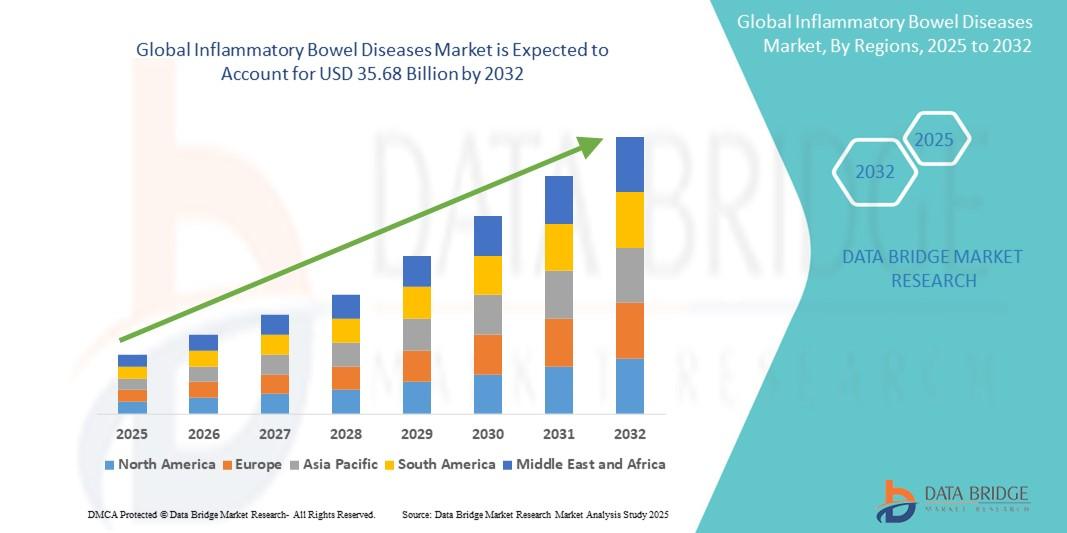
<strong> Inflammatory Bowel Diseases Market Summary:</strong><p id=subheading_0><strong>According to the latest report published by Data Bridge Market Research, </strong>the<strong><a href=https://www.databridgemarketresearch.com/reports/global-inflammatory-bowel-diseases-market> Inflammatory Bowel Diseases ...
"Comprehensive Outlook on Executive Summary Fintech as a Service Market Size and Share The global fintech as a service market size was valued at USD 466.26 billion in 2025 and is expected to reach USD 1542.35 billion by 2033, at a CAGR of16.13% during the forecast period The Fintech as a Service report encompasses thorough analysis of market with...

Leh is one of the most beautiful destinations in India, known for its mountains, monasteries, and peaceful environment. Every traveler who visits Ladakh looks for a comfortable and scenic place to stay. Choosing the right hotel can make your trip more relaxing and memorable. If you are searching for a calm, scenic, and comfortable stay, The Bodhi Tree Ladakh is one of the best options. It...

In today’s brutally competitive business world, standing unnoticed is the fastest way to lose customers. Companies are fighting for attention every second, and the businesses that dominate are the ones using bold, eye-catching promotional tools that demand instant recognition. This is where banners become an unstoppable force for growth. From retail stores to corporate events, restaurants...
Uncoated Recycled Paperboard Market Size, Share and Growth Report (2025–2034) The Uncoated Recycled Paperboard Market is experiencing steady growth as industries increasingly adopt sustainable packaging solutions. Rising demand for recyclable and eco-friendly materials across packaging, printing, and consumer goods sectors is driving market expansion. Growing regulatory support, corporate...
