8 Costly Mistakes Healthcare Organizations Make with Web Application Penetration Testing
Healthcare organizations are investing heavily in digital transformation, introducing patient portals, electronic medical records, diagnostic applications, telemedicine platforms, and online appointment systems. While these innovations improve patient care, they also increase exposure to cyber threats. Many organizations believe they are adequately protected because they have implemented firewalls, antivirus software, or vulnerability scanners. However, web application penetration testing remains one of the most effective methods for uncovering security weaknesses that automated tools may overlook. When supported by network penetration testing, healthcare providers can strengthen security across both applications and infrastructure while reducing operational risks.
Why Web Application Penetration Testing Is Essential for Modern Healthcare
Healthcare applications process highly sensitive information, including patient records, diagnostic reports, insurance information, payment details, and confidential medical data. A successful cyberattack can disrupt clinical operations, delay patient care, and damage organizational reputation.
Unlike automated scans, web application penetration testing evaluates applications from the perspective of a real attacker. It identifies exploitable vulnerabilities, validates business risks, and provides practical recommendations for remediation.
Despite its importance, many healthcare organizations unintentionally reduce the effectiveness of penetration testing through avoidable mistakes.
Mistake 1: Treating Penetration Testing as a One-Time Activity
Many organizations perform penetration testing only before launching a new application or during compliance reviews.
Healthcare applications constantly evolve through software updates, cloud migrations, API integrations, and feature enhancements. Every change has the potential to introduce new vulnerabilities.
Security testing should become part of an ongoing cybersecurity strategy rather than a one-time project.
Regular assessments help identify newly introduced risks before attackers exploit them.
Mistake 2: Ignoring APIs During Security Assessments
Modern healthcare systems depend heavily on APIs for communication between electronic health records, diagnostic laboratories, pharmacy systems, mobile applications, and third-party healthcare services.
If APIs are excluded from penetration testing, organizations may overlook vulnerabilities that expose sensitive patient information.
Comprehensive assessments should always include API security alongside traditional web application testing.
Mistake 3: Depending Only on Automated Vulnerability Scanners
Automated tools provide valuable visibility into known vulnerabilities but cannot fully evaluate complex application behaviour.
For example, scanners often miss:
- Business logic flaws
- Authentication bypass techniques
- Privilege escalation
- Workflow manipulation
- Multi-step attack scenarios
Manual penetration testing complements automated scanning by validating how vulnerabilities could actually be exploited.
This approach provides a more realistic assessment of business risk.
Common Mistakes to Avoid
|
Mistake |
Recommended Practice |
|
Testing only once |
Schedule regular penetration testing |
|
Ignoring APIs |
Include API security in every assessment |
|
Depending only on scanners |
Combine automated and manual testing |
|
Delaying remediation |
Prioritise critical vulnerabilities quickly |
|
Testing only production systems |
Assess staging before deployment |
|
Ignoring business logic |
Validate application workflows manually |
|
No retesting |
Confirm vulnerabilities have been resolved |
|
Limited reporting |
Use executive and technical reports |
Following these practices helps organizations build stronger application security over time.
Mistake 4: Delaying Vulnerability Remediation
Identifying vulnerabilities is only the first step.
Some organizations postpone remediation because applications remain operational or because development teams are focused on feature releases.
However, unresolved vulnerabilities continue exposing healthcare systems to unnecessary cyber risks.
Risk-based prioritisation allows organizations to address critical findings first while planning remediation for lower-risk issues.
Mistake 5: Excluding Business Logic Testing
Business logic vulnerabilities often arise from weaknesses within application workflows rather than coding errors.
Examples include:
- Manipulating appointment scheduling
- Circumventing payment validation
- Accessing medical records through workflow abuse
- Bypassing approval processes
These vulnerabilities typically require experienced penetration testers because automated tools rarely detect them.
Business logic testing provides valuable insight into how attackers may misuse legitimate application functions.
Healthcare Use Case: Securing a Digital Patient Portal
A multi-speciality hospital launches a patient portal allowing online consultations, medical record access, laboratory report downloads, appointment scheduling, and digital payments.
Before deployment, the organization performs web application penetration testing.
The assessment identifies:
- Weak authentication controls
- Excessive user permissions
- Insecure API endpoints
- Session management weaknesses
- Insufficient input validation
Resolving these issues before production significantly reduces cyber risk while improving patient confidence in the platform.
The engagement also strengthens secure development practices for future software updates.
Mistake 6: Not Retesting After Security Fixes
Many organizations assume vulnerabilities are fully resolved after remediation.
Without independent retesting, there is no assurance that security weaknesses have been effectively eliminated.
Retesting validates remediation activities and confirms that new vulnerabilities were not introduced during the correction process.
This final verification improves confidence before applications return to production.
Best Practices for Healthcare Organizations
Healthcare providers can strengthen application security by following these recommendations:
✔ Perform penetration testing before major application releases.
✔ Include APIs and third-party integrations within assessment scope.
✔ Conduct regular testing after significant software updates.
✔ Prioritise remediation based on business impact.
✔ Validate all remediation through independent retesting.
✔ Integrate security testing into the software development lifecycle.
✔ Review authentication and access controls periodically.
✔ Maintain detailed security documentation to support governance initiatives.
These practices help organizations reduce cyber risks while improving long-term application resilience.
Supporting Compliance and Secure Digital Healthcare
Healthcare organizations are increasingly expected to demonstrate proactive cybersecurity governance when managing sensitive patient information. Regular web application penetration testing supports internal risk management by identifying exploitable vulnerabilities before they impact healthcare services.
Application security assessments also complement broader cybersecurity initiatives such as vulnerability management, incident response planning, and continuous monitoring. When combined with Managed SIEM & SOC services, organizations establish a layered security approach that improves visibility, accelerates threat detection, and supports continuous protection of critical healthcare applications. As India's healthcare sector continues its digital transformation journey, web application penetration testing remains an essential investment for protecting patient data, strengthening compliance readiness, and ensuring secure delivery of healthcare services.
Categorii
Citeste mai mult
As people grow older, they often require additional support to maintain their health, independence, and overall quality of life. While many families strive to care for their elderly loved ones, busy work schedules, changing lifestyles, and medical responsibilities can make it difficult to provide continuous attention. This is where Elderly Care Services in Noida play a vital role....

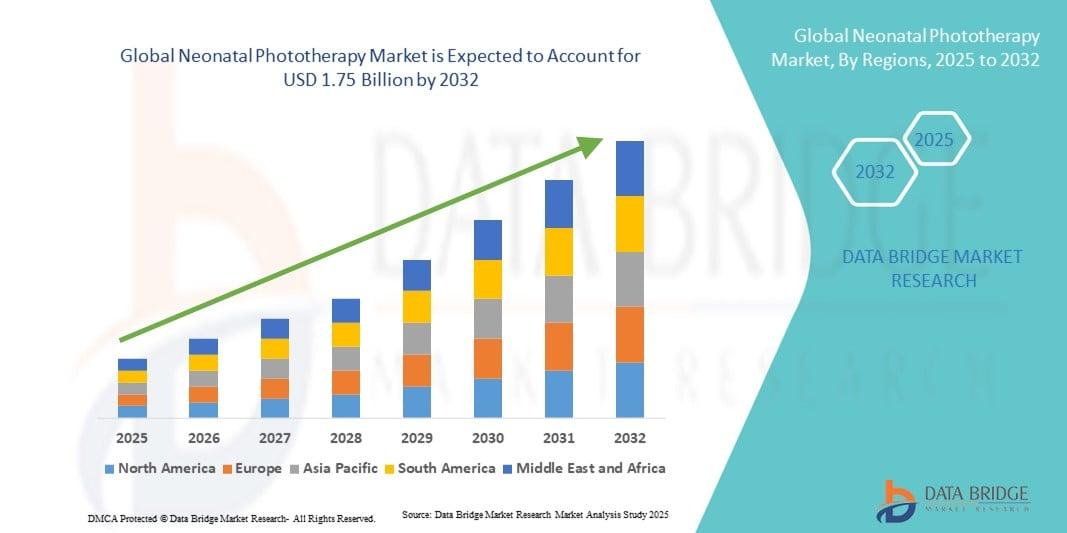
" Neonatal Phototherapy Market Summary: According to the latest report published by Data Bridge Market Research, the Neonatal Phototherapy Market The global neonatal phototherapy market size was valued at USD 1.15 billion in 2024 and is expected to reach USD 1.75 billion by 2032, at a CAGR of 5.40% during the forecast period With a full devotion and...
The Italy influencer marketing market was valued at USD 459.64 million in 2024 and is expected to grow at a robust CAGR of 16.8% between 2025 and 2034. Market Overview Influencer marketing has become one of the most powerful tools for brand communication, especially in Italy’s digitally active environment. The Italy influencer marketing market reflects a significant shift...

Fashion in Germany has always been diverse, stylish, and expressive. Among the leading names that shape streetwear culture, Pullover Stussy stands out as a brand that perfectly combines casual design with a cool, urban attitude. Whether you are walking through Berlin’s streets or relaxing with friends, a Pullover Stussy adds effortless style to your look. The Story Behind Stussy Stussy...

Launching a successful swimwear line in 2026 requires more than a great design; it requires a manufacturing partner that understands the technical science of the water. For over 20 years, Wave Zone Swim has been the silent engine behind some of the world’s most successful apparel brands. Whether you are a startup designer or an experienced retail buyer, understanding the technical...