


How Data-Driven Property Decisions Improve Public Sector Performance

Managing government property has become far more complex than simply maintaining buildings and renewing leases. Public sector agencies are under increasing pressure to reduce operating costs, improve workplace efficiency, meet sustainability goals, and demonstrate responsible stewardship of taxpayer funds. At the same time, hybrid work, evolving service delivery models, and changing workforce expectations are reshaping how government offices are used.
In this environment, relying on assumptions or historical practices is no longer enough. Data-driven property decision-making enables agencies to understand how their real estate portfolios are performing, identify opportunities for improvement, and make evidence-based investments that support organisational objectives. By leveraging accurate property and workplace data, government leaders can optimise resources, improve employee experiences, and deliver greater value to the communities they serve.
What Are Data-Driven Property Decisions?
Data-driven property decisions involve using measurable insights rather than intuition to guide real estate planning, asset management, and workplace strategy. Instead of treating property as a fixed operational expense, agencies use data to evaluate how effectively their buildings support service delivery and organisational performance.
Key sources of property data include:
- Workplace occupancy and utilisation rates
- Lease and operating costs
- Employee attendance patterns
- Space allocation and desk usage
- Building energy consumption
- Maintenance and asset performance
- Customer access and service demand
- Future workforce projections
When these insights are analysed together, agencies gain a comprehensive view of how their property portfolio is performing and where improvements can be made.
Why Data Matters More Than Ever
The public sector is expected to achieve more with limited resources. Every property decision has financial, operational, and strategic implications, making access to reliable data essential.
According to the Deloitte Global Workplace Survey 2025, 74% of organisations reported that improving workplace data and analytics is a priority for making better real estate and workplace decisions. This reflects a growing recognition that accurate data enables organisations to optimise property portfolios and respond more effectively to changing workplace needs.
For government agencies, the same principle applies. Reliable data helps decision-makers justify investments, improve accountability, and ensure public resources are allocated efficiently.
Improving Portfolio Efficiency
Many agencies manage multiple offices across different locations, often with varying levels of occupancy and operational performance. Without accurate data, underutilised buildings may remain in service long after they have ceased delivering value.
Data analysis can reveal:
- Buildings with consistently low occupancy
- Opportunities to consolidate office space
- Facilities requiring costly maintenance
- Locations with overlapping service functions
- Assets that no longer align with organisational priorities
Rather than making isolated property decisions, agencies can optimise their entire portfolio based on measurable performance indicators.
Supporting Better Financial Stewardship
Property represents one of the largest operating expenses for many public sector organisations. Lease payments, maintenance, utilities, and fit-outs all contribute to long-term costs.
Data-driven decision-making allows agencies to:
- Forecast future accommodation requirements
- Identify opportunities to reduce occupancy costs
- Compare building performance across portfolios
- Prioritise capital investments
- Improve long-term budget planning
This proactive approach helps agencies maximise value while demonstrating responsible management of public funds.
Enhancing Workplace Performance
Government workplaces have evolved significantly in recent years. Hybrid work arrangements mean employees no longer occupy office space in the same way they once did.
Workplace analytics can measure:
- Desk utilisation
- Meeting room demand
- Collaboration space usage
- Employee attendance patterns
- Peak occupancy periods
These insights enable agencies to redesign workplaces that better support collaboration, flexibility, and productivity while avoiding unnecessary expansion or underused office space.
Strengthening Evidence-Based Decision-Making
Public sector leaders are increasingly expected to justify major investment decisions with evidence rather than assumptions.
Property data provides a strong foundation for:
- Business case development
- Budget submissions
- Lease negotiations
- Workplace transformation initiatives
- Asset management strategies
When recommendations are supported by measurable evidence, decision-makers can build greater confidence among stakeholders and reduce the risks associated with major property investments.
Supporting Sustainability Objectives
Environmental sustainability has become an important consideration in government property management. Older buildings often consume more energy and require greater maintenance than modern facilities.
By analysing property performance data, agencies can identify opportunities to:
- Improve energy efficiency
- Reduce carbon emissions
- Prioritise sustainable building upgrades
- Retire inefficient assets
- Support government environmental commitments
Data ensures sustainability investments are targeted where they will deliver the greatest long-term impact.
Improving Service Delivery
Property decisions affect more than employees—they also influence how citizens access government services.
Location analytics can help agencies evaluate:
- Population growth trends
- Community accessibility
- Demand for government services
- Public transport connectivity
- Regional service requirements
This information enables agencies to position facilities where they are most needed while improving convenience for the communities they serve.
Best Practices for Data-Driven Property Management
To maximise the value of property data, agencies should adopt a structured approach:
- Establish clear property performance metrics.
- Collect consistent occupancy and utilisation data.
- Integrate financial, operational, and workplace information.
- Review portfolio performance regularly rather than only at lease renewal.
- Use predictive modelling to anticipate future accommodation needs.
- Align property strategies with organisational objectives.
Continuous monitoring allows agencies to respond proactively to changing operational requirements instead of reacting when leases expire.
Overcoming Common Challenges
Although the benefits are significant, implementing a data-driven property strategy can present challenges.
Common barriers include:
- Fragmented property information across departments
- Inconsistent data collection methods
- Legacy systems with limited reporting capabilities
- Lack of integrated workplace analytics
- Limited internal property planning expertise
Addressing these challenges requires strong governance, investment in data quality, and a commitment to evidence-based decision-making across the organisation.
Conclusion
Data-driven property decisions empower public sector agencies to move beyond reactive property management and adopt a more strategic approach to their real estate portfolios. By using reliable insights to optimise workplace utilisation, reduce operating costs, improve sustainability, and strengthen service delivery, agencies can achieve better outcomes for both employees and the communities they serve. Just as importantly, evidence-based planning enables government leaders to make informed property decisions that deliver long-term value rather than short-term fixes. Agencies seeking practical guidance on implementing better property planning can explore how proactive portfolio analysis and early strategic planning help reduce lease costs while improving overall property performance.
Nach Verein filtern
Read More
Introduction When your Salora TV stops working or shows signs of trouble, the first question that comes to mind is whether the issue can be fixed. The Salora TV Service Center, powered by Dial Service Centre, offers comprehensive repair solutions for all types of Salora televisions. From software glitches to complex motherboard failures, authorized technicians handle a wide range of problems...

The 3D Printing Market: A Strategic Overview Introduction 3D Printing Market also known as additive manufacturing—has evolved from a prototyping novelty into a powerful industrial force. What once was confined to laboratories and R&D departments now permeates industries such as aerospace, healthcare, automotive, and consumer goods. For business leaders, investors, and...

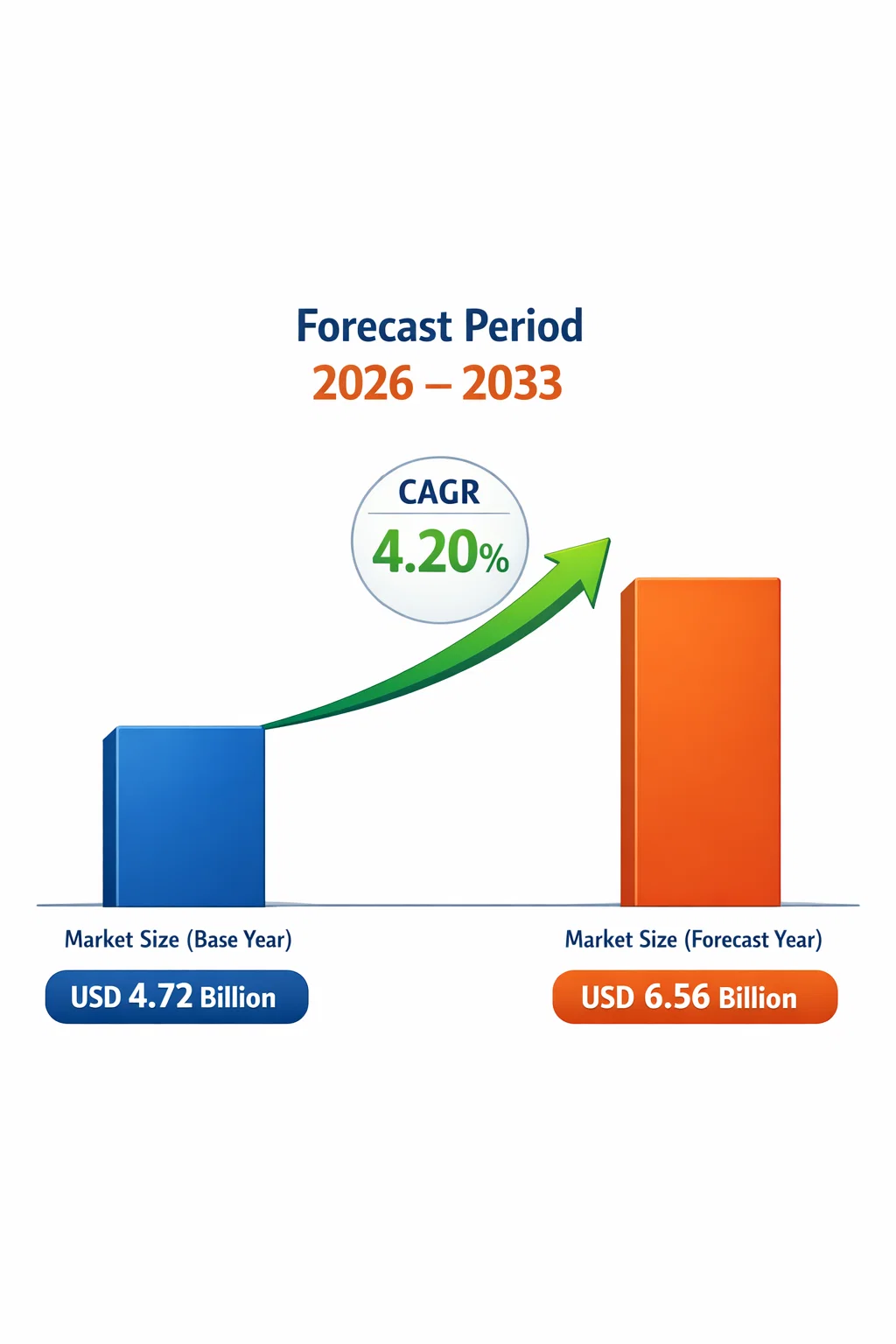
"Global Executive Summary South America Smoked Cheese Market: Size, Share, and Forecast The South America smoked cheese market size was valued at USD 4.72 billion in 2025 and is expected to reach USD 6.56 billion by 2033, at a CAGR of 4.2% during the forecast period This South America Smoked Cheese Market research report contains specific segments by type and...
Satisfy the MetsMike Puma of the Contemporary York Short article wrote around the impetus for the Metseducation workers improvements pissed off ownerand exactly where Carlos Mendoza stands by Oct 1417 there will be a significant sale at the Mets Personnel Shop at Citi Baseball Night time inside of NY upon SNY, John Jastremski and Laura Albanese described regardless of whether free of charge...

In this competitive world full of choices, customers go through hundreds of products in a minute. Confusion arises about which product to buy. Here, the packaging acts as a silent salesperson. Packaging is not just for carrying the product, but it becomes an effective marketing tool, or we can say a perception management tool. In saturated markets, presentation becomes a silent differentiator....