What Is EHS Software and Why Does It Matter?
EHS software is a digital platform that helps organizations manage environmental, health, and safety obligations in one connected system. Instead of juggling spreadsheets, paper logs, and scattered emails, teams get a single source of truth for incidents, audits, training, and compliance tasks. This matters because regulatory requirements keep expanding, and manual tracking simply cannot keep pace with modern operations.
EHS software like OSHEPRO was built by EHS professionals who understand the daily friction safety teams face. The platform brings together applications for accident reporting, behavior observation, audits, and OSHA recordkeeping, so nothing slips through the cracks. Rather than treating safety as an afterthought, companies use these tools to build a proactive culture around risk reduction.
Why Do Companies Need EHS Software?
Companies need EHS software because paper based systems are slow, error prone, and difficult to audit. When an inspector asks for OSHA 300, 300A, or 301 logs, a digital system can produce them instantly instead of forcing staff to dig through filing cabinets. OSHEPRO's AMLA module, for example, automates the generation of these OSHA logs directly from recorded incidents, saving significant administrative time.
Beyond recordkeeping, EHS software supports everyday operational needs. Chemical inventory management, GHS labeling, and safety data sheet access all live in one place, which reduces the risk of using outdated hazard information on the shop floor.
How Does EHS Software Improve Safety Outcomes?
EHS software improves outcomes by turning raw data into usable insight. OSHEPRO's analytics tools, including Loss Analysis and Critical Operational Risk Matrix, help safety managers spot patterns before they become serious incidents. Instead of reacting after an injury occurs, teams can intervene earlier based on trends in near misses, behavior observations, and audit findings.
Automated reminders are another practical benefit. Training renewals, inspection deadlines, and corrective action follow ups are tracked automatically, so nothing depends on someone remembering to check a calendar.
Who Benefits Most From EHS Software?
Mid sized manufacturers, construction firms, and multi site enterprises tend to see the fastest return, though OSHEPRO also supports small businesses, nonprofits, and government agencies. Any organization managing physical risk, chemical exposure, or regulatory reporting can benefit from centralizing these processes.
One long term OSHEPRO customer, a SHE Manager, noted that after five years of use the platform became increasingly valuable because of continuous enhancements and the convenience of having multiple dashboards in one place. That kind of sustained usefulness is a strong signal of genuine value rather than a short term fix.
What Are the Common Challenges Without It?
Without dedicated software, safety teams often struggle with fragmented data. Incident reports live in one folder, training records in another, and audit results in a third system entirely. This fragmentation makes it nearly impossible to see the full risk picture, and it slows down regulatory response when accuracy and speed matter most.
Migration can feel intimidating, which is why OSHEPRO's team manages the data transition directly, guiding new customers through setup so the switch does not disrupt daily operations.
Conclusion
EHS software exists to solve a real operational problem: safety and compliance data is too important to manage manually. Platforms like OSHEPRO combine reporting, auditing, training, and analytics into one accessible system, helping organizations reduce paperwork and respond to risk faster. For any team still relying on spreadsheets, a structured EHS platform is a practical step toward a safer, more compliant workplace.
Catégories
Lire la suite
According to the latest report published by Data Bridge Market Research, the Transcutaneous Monitors Market The global transcutaneous monitors market size was valued at USD 455.5 billion in 2025 and is expected to reach USD 734.25 billion by 2033, at a CAGR of 6.15% during the forecast period DBMR team uses simple language and easy to understand statistical images to provide...
Handgeführte Laserschweißgeräte haben die Metallbearbeitung revolutioniert und setzen neue Maßstäbe in Sachen Präzision, Geschwindigkeit und Flexibilität. Bei Lasershop stehen innovative Lösungen im Mittelpunkt, die speziell für industrielle Anwendungen, Werkstätten und professionelle Fertigungsbetriebe entwickelt wurden. Diese Technologie...

The global Feed Pellet Machine Market is witnessing sustained expansion driven by global livestock and aquaculture industry growth, rising demand for high-quality pelleted animal feed, technological innovation in pellet mill design, and growing adoption of sustainable feed production practices across commercial and on-farm feed operations worldwide. The Insight Partners projects the...

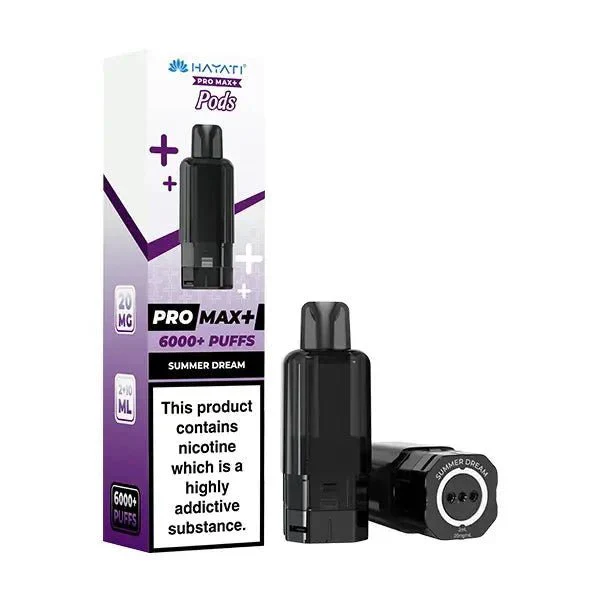
Hayati Pro Max Plus 6000 Prefilled Pods: Smooth Flavour Delivery, Reliable Performance, and Everyday Vaping Convenience Introduction to Hayati Pro Max Plus 6000 Prefilled Pods The vaping industry in the UK has seen continuous innovation, and one of the most in-demand products right now is the Hayati Pro Max Plus 6000 Prefilled Pods. These pods are designed for users who want simplicity, strong...
There comes a time when your ideas demand more than a screen—they demand to be felt, held, and admired. That’s where book printing becomes your ultimate game-changer. Whether you’re an author, entrepreneur, or brand builder, the right presentation can elevate your message from ordinary to unforgettable. This is not just about putting ink on paper; it’s about creating an...