


The Ultimate Guide to Achieving a Younger-Looking Face

As we age, our skin gradually loses collagen, elastin, and firmness, leading to wrinkles, sagging skin, and reduced facial definition. While a healthy lifestyle and skincare routine can slow the ageing process, they cannot reverse significant skin laxity. Facelift surgery offers a long-lasting solution by lifting and tightening facial tissues to create a smoother, firmer, and more youthful appearance.
This comprehensive guide explains everything you need to know about facelift surgery, including its benefits, procedure, recovery, and expected results.
What Is Facelift Surgery?
Facelift surgery, medically known as rhytidectomy, is a cosmetic procedure designed to reduce visible signs of ageing in the face and neck. It involves repositioning underlying facial muscles and tissues, removing excess skin, and improving facial contours.
Unlike temporary cosmetic treatments, facelift surgery addresses deeper facial structures, providing natural-looking and longer-lasting rejuvenation.
What Signs of Ageing Can a Facelift Treat?
A facelift is commonly performed to improve:
- Sagging cheeks
- Deep smile lines (nasolabial folds)
- Loose skin around the jawline
- Jowls
- Excess skin on the neck
- Loss of facial definition
- Wrinkles caused by skin laxity
Although a facelift improves many age-related concerns, it does not change your facial identity. Instead, it helps you look like a refreshed and younger version of yourself.
Benefits of Facelift Surgery
Restores a Youthful Appearance
A facelift lifts sagging tissues and smooths loose skin, creating a fresher and healthier appearance.
Improves Facial Contours
The procedure enhances the jawline, cheeks, and neck, restoring balanced facial proportions.
Long-Lasting Results
Compared with non-surgical cosmetic treatments, facelift surgery typically provides results that can last for many years with proper skincare and a healthy lifestyle.
Natural-Looking Enhancement
Modern facelift techniques focus on repositioning deeper facial structures rather than simply tightening the skin, helping avoid an overly stretched appearance.
Boosts Self-Confidence
Many patients feel more confident after achieving facial rejuvenation that better reflects how they feel on the inside.
Types of Facelift Procedures
Different facelift techniques are available depending on the degree of ageing and individual goals.
Mini Facelift
A mini facelift is suitable for people with mild to moderate skin sagging. It requires smaller incisions and usually involves a shorter recovery period.
Traditional Facelift
A traditional facelift addresses moderate to advanced signs of ageing in the lower face and neck, providing more comprehensive rejuvenation.
Neck Lift with Facelift
Many patients combine a facelift with a neck lift to improve loose neck skin and create a smoother transition between the face and neck.
Your surgeon will recommend the most appropriate approach after assessing your facial anatomy and aesthetic goals.
What Happens During the Procedure?
The journey begins with a detailed consultation and facial assessment.
During surgery:
- Anaesthesia is administered.
- Small incisions are placed around the ears and hairline.
- Underlying muscles and connective tissues are lifted and repositioned.
- Excess skin is carefully removed.
- The skin is redraped naturally without excessive tension.
- Incisions are closed using fine sutures.
The exact surgical technique varies depending on the patient's needs.
Recovery After Facelift Surgery
Recovery differs for every patient, but most people experience temporary swelling, bruising, and mild discomfort during the first few weeks.
Patients are usually advised to:
- Keep the head elevated while resting.
- Avoid strenuous exercise until approved.
- Follow all wound-care instructions.
- Attend scheduled follow-up appointments.
- Protect healing skin from direct sunlight.
Most swelling gradually improves, and results become more noticeable as healing progresses.
Who Is an Ideal Candidate?
You may be a good candidate for facelift surgery if you:
- Have noticeable facial sagging
- Are in good overall health
- Do not smoke or are willing to stop smoking
- Have realistic expectations
- Want a long-term facial rejuvenation solution
A consultation with a qualified cosmetic surgeon is essential to determine the most suitable treatment plan.
Facelift Surgery vs Non-Surgical Treatments
Non-surgical treatments such as dermal fillers, skin-tightening procedures, and anti-wrinkle injections can improve mild signs of ageing. However, they cannot remove excess skin or significantly lift facial tissues.
Facelift surgery remains the most effective option for individuals with moderate to severe facial ageing who are seeking long-lasting and more dramatic results.
Tips to Maintain Your Results
To enjoy your facelift results for as long as possible:
- Use high-quality skincare products.
- Apply sunscreen every day.
- Eat a balanced diet.
- Stay hydrated.
- Avoid smoking.
- Maintain a stable weight.
- Schedule regular follow-up visits with your surgeon.
Healthy lifestyle habits can help preserve your rejuvenated appearance for years.
Conclusion
Facelift Surgery: The Ultimate Guide to Achieving a Younger-Looking Face provides a comprehensive solution for individuals looking to reduce visible signs of ageing and restore youthful facial contours. With modern surgical techniques, natural-looking results, and long-lasting improvements, facelift surgery continues to be one of the most effective facial rejuvenation procedures available.
If you are considering facelift surgery, consult an experienced cosmetic surgeon who can evaluate your facial features, discuss your goals, and recommend a personalised treatment plan that helps you achieve safe, balanced, and natural-looking results
Categories
Read More
Have you ever visited a business website and left within seconds because it looked outdated or confusing? Most people do the same. Your website is often the first impression customers get about your business, and honestly, first impressions matter a lot online.Whether you run a startup, clinic, restaurant, coaching institute, or eCommerce store, partnering with the Top Website Designing Company...

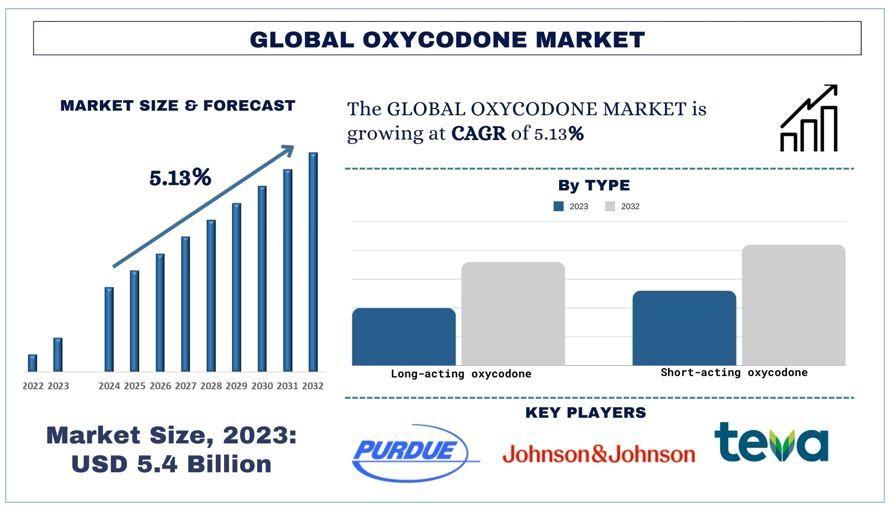
According to UnivDatos, the global Oxycodone market is being driven by the rising prevalence of chronic pain conditions, a growing elderly population, expanding use in palliative and cancer care, increasing awareness of pain management, and rising regulatory approvals for opioid-based therapies. As per UnivDatos’ “Oxycodone Market” report, the global market was valued at USD...
According to the latest report published by Data Bridge Market Research, the Asia-Pacific Medical Device Outsourcing Market The Asia-Pacific medical device outsourcing market size was valued at USD 76.2 billion in 2025 and is expected to reach USD 194.12 billion by 2033, at a CAGR of12.40% during the forecast period An all inclusive Asia-Pacific Medical Device Outsourcing...

This article provides a detailed analysis of Noise Level Meter Market Size across key segments including application, product type, and end use. With a 2025 valuation of 846.3 million USD, the analysis explores how environmental monitoring, handheld meters, and construction applications drive demand, alongside regional contributions. Noise Level Meter Market Size reflects a...
According to the latest report published by Data Bridge Market Research, the Fragile X Syndrome (FXS) Treatment Market The global fragile X syndrome (FXS) treatment market size was valued at USD 2.64 billion in 2024 and is expected to reach USD 3.99 billion by 2032, at a CAGR of 5.30% during the forecast period All the data and information included in the global Fragile X Syndrome...