Diazepam: Uses, How It Works, Side Effects, and Safety Information

Diazepam is a prescription medicine that belongs to the benzodiazepine class of medications. It is commonly used to treat anxiety disorders, muscle spasms, alcohol withdrawal symptoms, and certain seizure disorders. By calming activity in the brain and central nervous system, diazepam helps relieve symptoms associated with these conditions. Because it can cause drowsiness and dependence, diazepam should only be used under the guidance of a qualified healthcare professional.
What Is Diazepam Used For?
Healthcare professionals may prescribe diazepam for a variety of medical conditions, including:
-
Anxiety disorders
-
Muscle spasms
-
Alcohol withdrawal symptoms
-
Certain seizure disorders
-
Sedation before medical or dental procedures
The medicine is generally intended for short-term treatment or carefully monitored long-term use when clinically appropriate.
How Does Diazepam Work?
Diazepam tablets work by increasing the activity of gamma-aminobutyric acid (GABA), a natural chemical messenger that helps slow excessive brain activity. This produces a calming effect that reduces anxiety, relaxes muscles, and helps control certain types of seizures.
The medicine usually begins working within a relatively short time, although the exact onset varies depending on the dosage form and the individual.
How to Take Diazepam
Diazepam should always be taken exactly as prescribed.
General recommendations include:
-
Swallow the tablet with water.
-
It may be taken with or without food.
-
Follow the prescribed dosing schedule.
-
Never take more than the recommended dose.
-
Do not stop taking diazepam suddenly after prolonged use without medical advice.
Common Side Effects
Some people may experience:
-
Drowsiness
-
Dizziness
-
Fatigue
-
Muscle weakness
-
Reduced coordination
-
Dry mouth
These side effects are often mild and may improve as the body adjusts to treatment.
Serious Side Effects
Seek immediate medical attention if you develop:
-
Difficulty breathing
-
Severe allergic reactions
-
Confusion
-
Significant mood or behavior changes
-
Extreme drowsiness
-
Thoughts of self-harm
Although uncommon, these reactions require prompt medical evaluation.
Who Should Use Caution?
Tell your healthcare provider if you have:
-
Liver disease
-
Kidney disease
-
Breathing disorders
-
Sleep apnea
-
Myasthenia gravis
-
A history of substance misuse
-
Pregnancy or breastfeeding
Your healthcare provider can determine whether diazepam is appropriate for your medical condition.
Drug Interactions
Diazepam may interact with:
-
Opioid pain medicines
-
Sleeping medicines
-
Alcohol
-
Certain antidepressants
-
Antihistamines that cause drowsiness
-
Other medicines that affect the central nervous system
These interactions may increase the risk of excessive sedation or breathing difficulties.
Safety Tips
For safe use:
-
Take only the prescribed dose.
-
Avoid alcohol while taking diazepam.
-
Do not drive or operate machinery until you know how the medicine affects you.
-
Store in a cool, dry place away from children.
-
Never share your medication with anyone else.
Conclusion
Diazepam is an effective prescription medicine for treating anxiety, muscle spasms, alcohol withdrawal symptoms, and certain seizure disorders. When taken exactly as prescribed and under medical supervision, it can provide significant symptom relief. Understanding its uses, side effects, interactions, and safety precautions helps support safe and responsible treatment.
Категории
Больше
Finding a memorable pizza restaurant is about more than ordering a meal. It is about enjoying fresh ingredients, balanced flavors, welcoming service, and a comfortable atmosphere that brings people together. Across Cedar Rapids, Iowa City, Des Moines, and the Quad Cities, local communities appreciate restaurants that focus on quality, consistency, and recipes that satisfy every generation....

NEWARK, DE, United States – April 6, 2026 – The global whey protein isolate (WPI) market is undergoing a significant transformation, evolving from a core sports nutrition ingredient into a high-value component across pharmaceutical nutrition, infant formula, and functional food applications. According to the latest strategic outlook by Future Market Insights (FMI),...

"According to the latest report published by Data Bridge Market Research, the Product Design and Development Services Market Global product design and development services market size was valued at USD 6.92 billion in 2024 and is projected to reach USD 10.47 billion by 2032, with a CAGR of 5.30% during the forecast period of 2025 to 2032. Product Design and Development Services...

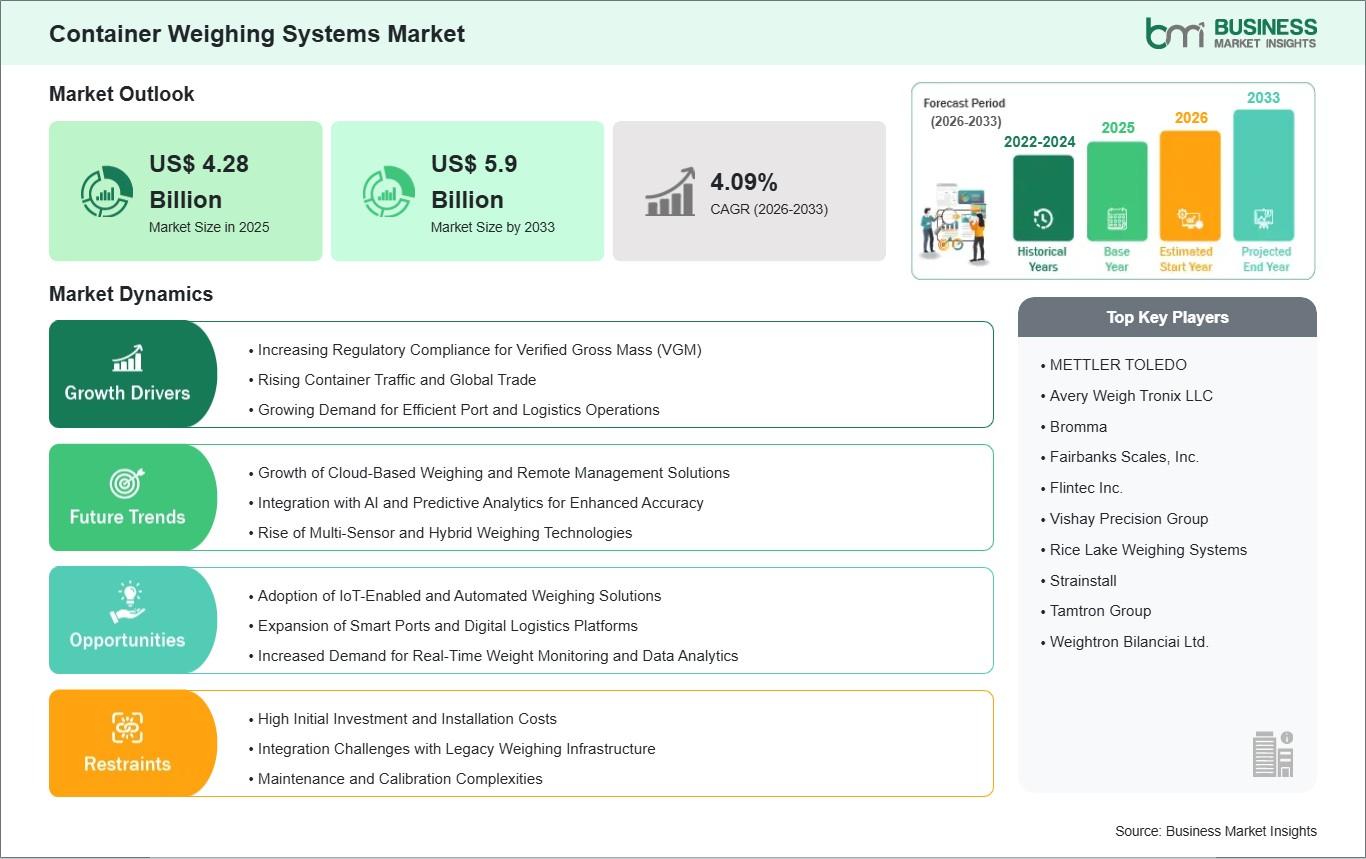
The Container Weighing Systems Industry is experiencing a significant structural shift globally, primarily driven by the tightening of international maritime safety regulations, the rapid automation of smart ports, and the relentless expansion of global intermodal trade. As logistics hubs and shipping terminals prioritize operational safety and supply chain transparency, precise weight...
According to the latest report published by Data Bridge Market Research, the Hybrid Vehicles Market The global hybrid vehicles market size was valued at USD 232.02 billion in 2025and is expected to reach USD 497.35 billion by 2033, at a CAGR of 10.00% during the forecast period This Hybrid Vehicles Market document combines all-inclusive industry analysis with precise estimates and...