


Casino Crowncoins Helps You Spot RTP Misconceptions

A slot game can look stone cold after three bonus rounds miss, then suddenly pop twice in five spins, and that’s usually where RTP myths start doing damage. If you want a plain-English reference for how players misread game math, Casino Crowncoins helps put it in context, because the problem is usually not the payout rate itself, it’s the way people read it.
Why RTP gets blamed for the wrong thing
RTP means return to player, a long-run average built from huge numbers of spins. It does not describe one session, one hour, or your current bankroll. Still, plenty of players treat it like a prediction tool, then feel cheated when the short-term result looks nothing like the posted figure.
That gap drives most RTP confusion. Someone sees a game listed at 96% RTP and thinks they should get about $96 back from every $100 right away. That’s not how it works. The number comes from a massive sample, often millions of rounds, and it sits beside volatility, which can stretch losing streaks or throw up sudden bursts of wins. A high-RTP game can still chew through a balance fast if the payout pattern is lumpy.
Another mistake is assuming RTP is a promise from the platform. It isn’t. The site offers games with a published mathematical return, but any one session still hangs on randomness. Two people can play the same title for the same stretch of time and walk away with wildly different results. One might hit a bonus feature early. The other may never see one.
The key is separating game math from personal experience. A 97% RTP doesn’t mean you “should” win more tonight. It means the model, over time, returns about 97 cents per dollar wagered across all play. Short sessions are noisy. Very noisy.
A simple way to read RTP without getting twisted up looks like this:
• Treat RTP as a long-term model, not a session forecast. • Check volatility with RTP, because payout timing changes how the game feels. • Compare the same game across providers, since RTP settings can vary. • Size your bankroll to your session length, not the headline number. • Expect variance to matter more than the posted figure over a short run.
What actually changes your results in play
Volatility is the part many people miss. A medium- or high-volatility game may pay less often, but when it does land, the hits can be bigger. Lower-volatility titles usually give smaller wins more regularly. Neither setup is automatically better. The better fit depends on whether you want steadier play or bigger swings.
Bonus features muddy the picture too. Free spins, multipliers, hold-and-win mechanics, and expanding wilds can make a game feel generous one night and stingy the next. The published RTP already includes the full math model, but players tend to stare at the base game and forget the rest of the structure. If most of the expected value sits in bonus rounds, missing them for 200 spins can make the session look worse than the long-run math really is.
People also overread streaks. Five losses in a row do not mean a game is due. Five wins in a row do not mean it’s hot. Random outcomes do not remember your last spin, and chasing a pattern that only feels real usually turns a normal variance stretch into an expensive one. Better to judge a game by how it fits your budget and your time limit, not by the mood of the last ten results.
If you want a cleaner read on any title, check the paytable, the bonus-trigger rules, and whether the game explains its RTP in the info screen. Some games even list multiple RTP settings, which can change depending on the version being offered. Miss that detail, and you can end up arguing with the wrong number.
Responsible play keeps the math in perspective
RTP talk gets messy fast once gambling stops feeling like entertainment and starts looking like a way to get paid back. A healthier mindset is to treat every session as a paid activity, not a source of income. Set a deposit limit before you start, decide how long you’ll play, and stop when either limit hits. If a game is getting under your skin, walking away is smarter than raising the bet to force a result.
Warning signs tend to show up early. Hiding play from family, chasing losses, spending rent money, or feeling on edge when you’re not gambling all point in the wrong direction. If any of that sounds familiar, step back and use the tools available, including self-exclusion, deposit caps, and time-outs. Help is available through gambling support services, and the legal age to play depends on local law, usually 18+ or 21+.
A better way to read the site and the games
A decent platform makes the numbers easier to see without turning them into hype, and that helps players make calmer choices. If you want a place that presents games in a straightforward way, Casino Crowncoins gives you a cleaner starting point than most people get from social chatter or forum myths. It’s easier to enjoy the session when you already know what RTP can say, and what it can’t.
Categorias
Leia mais
Immigration and asylum are important topics for many people who wish to live, work, or study in the United Kingdom. The UK has specific rules and processes that must be followed. These processes can seem complicated at first, but understanding the main aspects can make it easier to plan your next steps. Business migration is also a key part of the UK immigration system, as it allows individuals...

The Tethered Aerostat System Market supports efficient material handling across cigarette and tobacco product manufacturing facilities. These conveyor belts are designed for precision, hygiene, and continuous operation, ensuring smooth transportation of tobacco leaves, filters, and finished products. Rising automation in tobacco processing plants is driving demand for durable and...
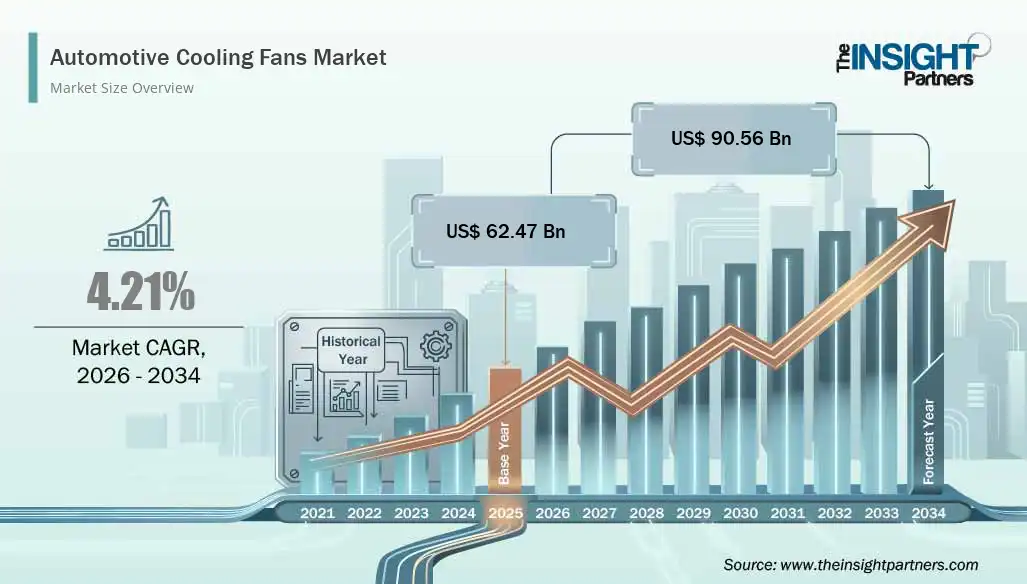
The Automotive Cooling Fans Market is experiencing steady growth as automakers continue prioritizing engine efficiency, vehicle performance, and thermal management across conventional, hybrid, and electric vehicles. Cooling fans play a vital role in regulating engine temperature, maintaining battery performance, and ensuring the efficient operation of vehicle air conditioning systems. As...
In the latest developer livestream, Genshin Impact revealed exciting details about version 6.1, also known as Luna II. This update marks a significant milestone in the game’s ongoing journey, offering players new content and features to explore. One of the highlights is the upcoming continuation of the Song of the Welkin Moon chapter, promising fresh adventures and storylines....

" According to the latest report published by Data Bridge Market Research, the Rail Brace Market The global rail brace market size was valued at USD 58.05 billion in 2025 and is expected to reach USD 86.43 billion by 2033, at a CAGR of 5.10% during the forecast period. The winning Rail Brace Market report brings into focus the new highs that will be made by the Rail Brace Market...
