Relific vs SoulAce: Which CSR Platform Should Your Company Choose in 2026?

Corporate social responsibility has become much more than a yearly exercise in allocating funds and collecting reports. Companies today are expected to understand the real outcomes of their CSR initiatives, maintain reliable data, manage NGO partnerships, and provide credible information for ESG disclosures. As these expectations continue to grow, choosing the right technology can have a direct impact on how effectively a CSR programme operates. The Relific vs SoulAce comparison is particularly relevant in 2026 because both platforms address modern CSR challenges but follow different models. Relific is built around AI-driven impact operations and data traceability, while SoulAce combines CSR technology with more than 15 years of consulting and advisory experience.
For organisations considering either platform, the decision should begin with a simple question: what is the biggest problem you are trying to solve? The answer can help determine which approach is more suitable.
Why CSR Technology Matters More Than Ever
CSR teams are managing increasingly complex responsibilities.
A typical programme may involve multiple NGO partners, different geographic locations, thousands of beneficiaries, several funding milestones, and a range of impact indicators. Keeping track of all this information through spreadsheets, emails, and separate documents can quickly become difficult.
The reporting environment is also changing.
Boards want clearer evidence of social impact. Finance teams need better visibility into spending. Regulators are demanding more structured ESG disclosures, while assurance providers are increasingly interested in the reliability of the data supporting those disclosures.
SEBI's BRSR Core framework has made this issue even more important. The framework introduced a phased requirement for reasonable assurance on selected ESG KPIs, with the top 1,000 listed entities included from FY 2026-27.
For affected companies, preparing an ESG report is no longer simply about putting together numbers at the end of the year. Organisations also need to understand where those numbers originated and whether they can be verified.
This is why the technology supporting CSR operations deserves careful attention.
Relific's Approach: Start With Better Data
Relific is built around the idea that reliable reporting starts with reliable operations.
Many CSR teams face a familiar problem. Different NGO partners collect information in different ways. Some submit spreadsheets, others provide PDFs, and field teams may record information manually. Bringing everything together at the end of a reporting cycle can require significant effort.
Relific attempts to solve this problem by connecting field-level data collection with programme management and reporting.
Surve-R for Collecting Field Information
Surve-R is designed to help organisations collect data directly from the field through mobile devices.
Its AI-guided adaptive forms are intended to make data collection more structured, while offline capabilities allow field teams to continue working in areas with limited connectivity.
The platform also supports GPS tagging and photo capture, which can provide additional context around field activities.
This approach may be particularly useful for CSR initiatives involving education, healthcare, agriculture, and climate action, where important programme information often originates in remote or geographically distributed locations.
The central idea is straightforward: improve the quality of the data when it is collected instead of trying to fix problems months later.
ProGran for Managing Grants and Programmes
Relific's ProGran module focuses on the operational side of programme and grant management.
It supports activities including programme design, grant applications, NGO onboarding, milestone tracking, disbursements, monitoring and evaluation, and outcome reporting.
This can be particularly relevant for companies managing large NGO networks.
Once an organisation begins working with 10 or more implementation partners, managing agreements, documentation, payments, milestones, and reports manually can become a significant administrative burden.
An integrated platform can help bring these processes into one connected environment.
Voluntee-R for Employee Volunteering
Relific also includes Voluntee-R, which focuses on employee volunteering.
The solution is designed to help companies manage volunteer initiatives and track participation and hours. Keeping this information within the broader CSR technology ecosystem can make it easier to incorporate employee engagement data into overall CSR reporting.
Drive-R for Impact Intelligence
Drive-R provides an analytics and intelligence layer for impact information.
The wider Relific ecosystem is designed to connect data from field operations with programme management and reporting.
Rather than treating reporting as an activity that begins at the end of the financial year, the platform's approach is to make reporting a natural result of continuous programme operations.
What Makes Relific Different?
Relific's strongest differentiator is its focus on the data journey.
For companies preparing for BRSR Core assurance, the ability to trace a reported figure back to its source can be highly valuable. When information is collected in a structured format from the beginning, organisations may have a clearer path for validating the numbers that eventually appear in ESG disclosures.
Relific is also designed with multi-NGO operations in mind. Companies coordinating several partners can potentially manage onboarding, documentation, milestones, disbursements, monitoring, and outcomes through a more unified workflow.
AI is another important part of the platform's positioning. Instead of using AI only as a reporting or chatbot feature, Relific incorporates it into operational areas such as adaptive forms, anomaly detection, programme recommendations, and document processing.
There are, however, factors that companies should consider before selecting the platform.
Relific is a relatively young platform compared with established CSR consulting organisations. While its customer base is growing, companies that place significant importance on a long market history and extensive enterprise references may want to evaluate this carefully.
Implementation is another consideration. A platform may work well technically, but successful adoption also depends on whether NGO partners can use it effectively. Training and change management can therefore add to the overall implementation cost.
SoulAce's Approach: Combining Technology With CSR Expertise
SoulAce follows a different model.
Founded in 2009, the organisation has more than 15 years of experience in CSR consulting and advisory services. Its work covers areas such as CSR strategy, programme management, impact assessment, and fund utilisation reviews.
Alongside its consulting services, SoulAce provides technology solutions covering CSR grant management, ESG reporting, and employee volunteering.
This combination of software and professional expertise is one of the company's key strengths.
SoulAce states that it has worked with more than 150 corporate clients across more than 200 districts and 26 states. Its published case studies include organisations from industries such as insurance, pharmaceuticals, steel, and FMCG.
For companies that prefer working with an established CSR partner, this experience may provide additional confidence.
Security and Compliance Credentials
Enterprise technology purchases often involve detailed security reviews.
SoulAce publicly documents ISO 27001:2013 certification and SOC 2 compliance. Its infrastructure also includes AWS hosting, AES-256 encryption, VAPT audits, and multi-factor authentication.
These credentials can be particularly relevant for large companies where technology solutions need to meet internal security, procurement, legal, and IT requirements.
For organisations that place a strong emphasis on documented enterprise security practices, SoulAce's credentials may be an important factor.
Support for Different ESG Frameworks
SoulAce also offers broader ESG framework coverage.
Its ESG platform supports GRI, BRSR, SASB, and CDP.
This can be useful for companies that have to manage reporting requirements across several ESG frameworks, particularly organisations with international operations or diverse stakeholder requirements.
Relific's approach is more focused on the operational data layer that supports impact management and BRSR reporting.
The distinction is important.
SoulAce may appeal more to companies that need broader framework coverage and advisory support, while Relific may be attractive to organisations that want to strengthen the connection between field data and final reporting.
How Should You Compare Relific and SoulAce?
Instead of comparing features one by one, companies should consider their actual CSR environment.
Relific may be a better match if your organisation:
- Collects significant amounts of data directly from the field
- Works with multiple NGO implementation partners
- Operates programmes in remote or low-connectivity areas
- Needs stronger source-to-report traceability
- Wants AI integrated into CSR workflows
- Needs to connect employee volunteering with broader CSR data
SoulAce may be more suitable if your organisation:
- Wants technology combined with CSR consulting
- Values an established industry track record
- Has strict enterprise security requirements
- Needs support for GRI, BRSR, SASB, and CDP
- Requires strong corporate references
- Needs strategic CSR support in addition to software
The choice is therefore less about finding a universal winner and more about identifying the platform that fits your operating model.
Put Both Platforms Through Real-World Tests
A product demonstration can show what software is capable of, but it does not necessarily show how it will perform in your organisation.
Before signing a contract, companies should ask vendors practical questions.
For example, how quickly can the first board-ready report be generated after implementation?
How does the platform handle NGO onboarding?
What happens when 15 or 20 independent implementation partners need to adopt the system?
How much training will those partners require?
These questions can reveal the real complexity of implementation.
Companies should also conduct a source-to-report traceability test.
Take one specific BRSR or ESG KPI and ask the vendor to demonstrate how the final number can be traced back to its original field record.
This is one of the most useful ways to understand whether a platform genuinely supports audit readiness or simply produces a polished report.
Customer references should also be selected carefully. A reference from a company with one small CSR programme may not provide useful insight for an organisation managing dozens of NGOs across multiple states.
Look at the Total Cost of Ownership
The software licence is only one part of the investment.
Companies should consider the full three-year cost of ownership, including implementation, configuration, NGO onboarding, training, change management, internal resources, and integrations.
NGO onboarding deserves particular attention.
If external partners are unable or unwilling to adopt the system quickly, companies may need to invest additional resources in training and support.
Understanding these costs upfront can prevent unexpected expenses later.
Could a Combination of Both Platforms Work?
For some organisations, the answer may not have to be one platform or the other.
A company could potentially use Relific for field data collection, programme operations, NGO management, and BRSR data tracking while engaging SoulAce for strategic CSR consulting or independent impact assessments.
This could combine Relific's technology-focused approach with SoulAce's consulting expertise.
However, a hybrid model requires careful planning. Companies would need to define data ownership, reporting responsibilities, and integration processes clearly.
Without proper coordination, using multiple systems could create additional data silos instead of solving existing ones.
The Final Decision
Relific and SoulAce both address important challenges in modern CSR management, but they approach the market differently.
Relific is focused on creating an AI-native impact operations environment that connects field data collection, NGO management, programme workflows, employee volunteering, and reporting.
SoulAce combines technology with more than 15 years of CSR consulting experience, a broad corporate client base, enterprise security credentials, and support for multiple ESG frameworks.
For organisations struggling with inconsistent field data, complex NGO operations, and the need for stronger source traceability, Relific may be the more appropriate choice.
For companies looking for an established CSR partner that can combine technology with consulting and strategic support, SoulAce may be a better fit.
The most important thing is to avoid making the decision based solely on feature lists or software demonstrations.
Look at your actual programme structure. Consider how many NGOs you work with, where your field activities take place, how your data is currently collected, which ESG frameworks you need to support, and how prepared you are for assurance requirements.
In 2026, CSR success is increasingly connected to the quality of the data behind the impact story. Companies need to demonstrate not just how much they spend, but what their programmes achieve and whether the information supporting those claims can be trusted.
The right CSR platform should help your organisation build that connection between action and accountability. Whether the better fit is Relific, SoulAce, or a combination of both, the final choice should be driven by your organisation's specific needs, operational complexity, and long-term CSR objectives.
Κατηγορίες
Διαβάζω περισσότερα
The Cyber Insurance Market in the United States is experiencing significant growth as organizations across various industries increasingly recognize the financial and operational risks associated with cyber threats. Rising incidents of data breaches, ransomware attacks, phishing campaigns, and other cybercrimes have driven businesses to invest in comprehensive cyber insurance policies to...

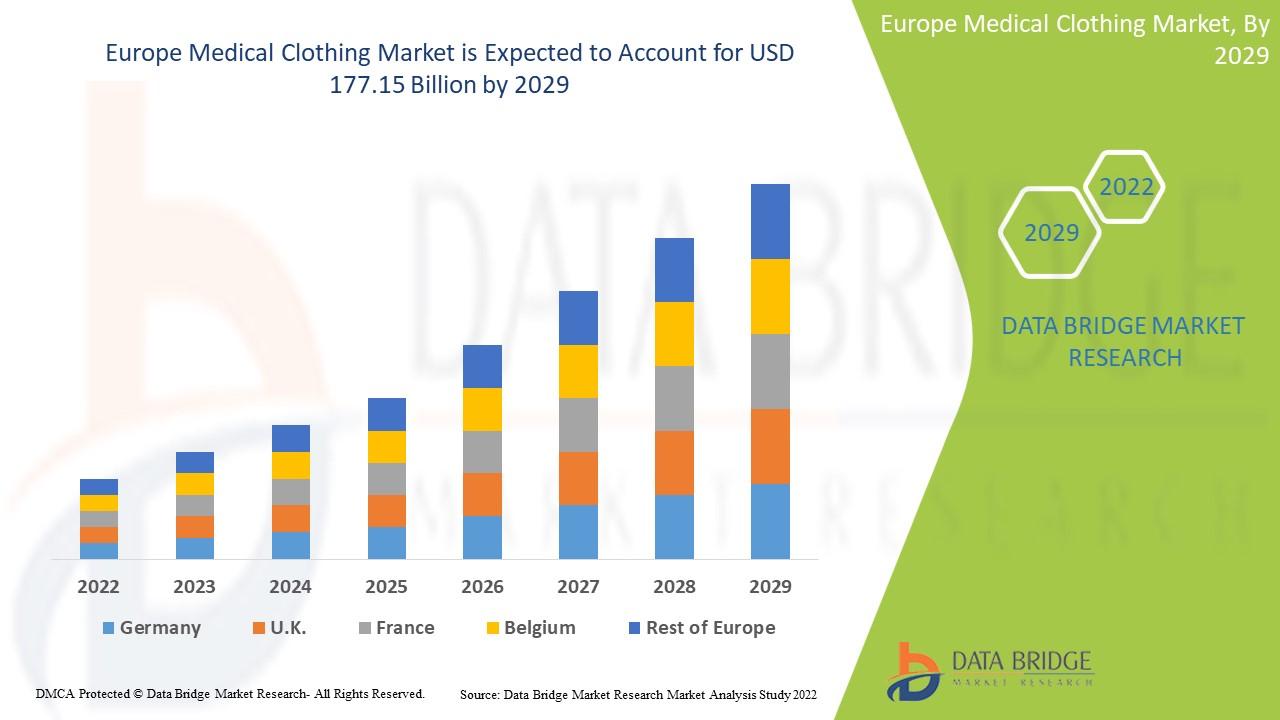
Executive Summary Europe Medical Clothing Market Data Bridge Market Research analyses that the medical clothing market which was USD 94.3 billion in 2021, would rocket up to USD 177.15 billion by 2029, and is expected to undergo a CAGR of 8.2% during the forecast period 2022 to 2029. The data and information about industry are taken from reliable sources such as websites, annual reports...
" According to the latest report published by Data Bridge Market Research, the Maternal Blood Test Market Data Bridge Market Research analyses that the maternal blood test market which was USD 3.807 billion in 2022, is expected to reach USD 10.12 billion by 2030, at a CAGR of 13.00% during the forecast period 2023 to 2030.Thorough and transparent research studies conducted by a...

The online entertainment industry has witnessed tremendous growth in recent years, with digital lottery platforms becoming increasingly popular among users worldwide. Among these platforms, Dewatogel has established itself as a recognized name for individuals seeking convenient and accessible lottery-style gaming experiences. As technology continues to evolve, platforms like Dewatogel are...
Many people brush their teeth daily but still face problems like bleeding gums, bad breath, or yellow stains. This often happens because brushing alone cannot remove hardened plaque from teeth. Professional dental care, such as polishing & scaling, plays a key role in keeping the mouth healthy and preventing long-term dental issues. This article explains how scaling and polish teeth...