Why Every Industry Sector Needs a Robust EHS Management System

No two industries face identical safety challenges, but every industry shares one fundamental obligation: keeping workers safe and maintaining regulatory compliance. A strong EHS Management System provides the operational backbone to meet that obligation consistently, regardless of whether your team works in a chemical plant, a construction site, a pharmaceutical lab, or a transportation hub. The right platform adapts to your industry's specific hazards rather than forcing you to adapt your program to fit the software.
Why Industry-Specific EHS Challenges Demand Flexible Tools
A construction firm's biggest EHS concerns might center on fall protection, equipment lockout, and confined space entry. A pharmaceutical manufacturer's priorities might lean more heavily toward chemical exposure management, clean room compliance, and environmental incident reporting. A transportation company needs tools that track driver safety incidents, vehicle inspections, and regulatory recordkeeping across a fleet that's constantly in motion.
What's interesting is that OSHEPRO's platform was designed to serve this diversity. Its modular architecture means organizations can prioritize the applications most relevant to their industry while still having access to the full suite when needed. That flexibility is precisely what makes it one of the most scalable EHS platforms available today.
Construction Industry: Managing High-Risk Field Operations
Construction consistently ranks among the most hazardous industries in the United States, with falls, struck-by incidents, electrocution, and caught-in or between hazards accounting for the majority of fatalities every year. For construction companies, an EHS Management System needs to function in the field, not just in a project office.
OSHEPRO's mobile and desktop integration is a genuine advantage here. Field workers can report behavior observations, conduct safety inspections, and log near-misses directly from their phones, while supervisors and safety managers can view real-time data and assign corrective actions from the back office. The TRACI application supports job hazard analyses that are immediately accessible to crews, and ORBIT captures the behavioral safety data that helps construction teams identify which work practices are creating the highest risk exposure.
Pharmaceutical and Chemical Industries: Chemical Safety at the Core
For industries working with hazardous chemicals, regulatory compliance around chemical management is non-negotiable. OSHA's Hazard Communication Standard requires employers to maintain current Safety Data Sheets, properly label containers, and train employees on chemical hazards. Managing all of that manually across a large facility with dozens or hundreds of chemicals in use is both time-consuming and error-prone.
OSHEPRO's ChERS application was built to handle exactly this challenge. It centrally stores SDS files, maintains chemical inventories by site location, automates GHS labeling, and ensures employees always have access to current hazard information. For pharmaceutical and chemical companies, ChERS is the kind of tool that transforms a burdensome compliance obligation into a streamlined, audit-ready program.
Manufacturing: Equipment Safety and Loss Prevention
Manufacturing environments carry significant exposure to machine-related injuries, which is why lockout/tagout compliance, machine safety risk assessments, and incident tracking are so critical in this sector. EHS Management System includes a dedicated LOTO module that centralizes energy control procedures and ensures they're consistently applied and regularly reviewed.
The AMLA application adds another layer of protection by tracking every incident from initial report through root cause analysis and corrective action. For manufacturing safety managers, the automatic generation of OSHA 300 and 300A logs alone represents a significant time saving, and the loss analysis tools help identify which equipment, processes, or work areas are generating the most incident data.
Transportation: Safety Across a Mobile Workforce
Transportation companies face a unique EHS challenge in that their workforce is dispersed and constantly moving. Traditional office-based safety programs struggle to reach drivers, logistics coordinators, and field personnel who are rarely in one place long enough for structured safety training or in-person inspections.
OSHEPRO addresses this through its mobile-first design, allowing employees to access safety talks, complete training modules, report incidents, and submit behavior observations from wherever they happen to be. The SELT platform supports a self-service approach to safety education that works for mobile workforces, while AMLA's instant reporting capability ensures that incidents are documented quickly and accurately regardless of where they occur.
Why ESG Goals Are Now Part of Every Industry's EHS Strategy
It's worth noting that EHS management no longer operates in isolation from broader corporate sustainability goals. Environmental, Social, and Governance reporting is increasingly tied to EHS performance data, and investors and regulators are paying closer attention than ever before. OSHEPRO integrates EHS data with ESG reporting tools, allowing organizations to track sustainability metrics alongside traditional safety performance indicators.
This integration is particularly valuable for industries like manufacturing, chemicals, and energy, where environmental incidents and emissions data are central to both regulatory compliance and stakeholder reporting. Having that data in one system rather than trying to reconcile separate EHS and ESG platforms saves significant administrative effort and reduces the risk of reporting inconsistencies.
Conclusion
Every industry has unique safety challenges, but every industry needs the same fundamental thing from an EHS Management System: reliable, scalable tools that keep workers safe, maintain compliance, and generate the data needed to continuously improve. OSHEPRO delivers all of that through an eight-application platform that's been built by EHS professionals, proven across multiple industries, and designed to grow alongside your organization's needs.
Categorii
Citeste mai mult
"Ischemic Cerebral Stroke Market Summary According to the latest report published by Data Bridge Market Research, the Ischemic Cerebral Stroke Market The global ischemic cerebral stroke market size was valued at USD 5.26 billion in 2025 and is expected to reach USD 9.08 billion by 2033, at a CAGR of 7.07% during the forecast period The reliable Ischemic...

Peptides have become an essential component in scientific research, biotechnology, and pharmaceutical development. These short chains of amino acids play a critical role in various biological functions, making them highly valuable for laboratory studies and experimental applications. As advancements in science continue, the demand for high-quality peptides has grown significantly across...

Achieving a smooth, even skin tone is a common aesthetic goal for individuals dealing with prominent cutaneous blemishes. Birthmark Removal in Dubai utilizes state-of-the-art dermatological technology to safely target and diminish unwanted pigmentation. With expert medical oversight, patients can explore personalized treatment pathways tailored to their unique skin biology. Defining Congenital...

João Cancelo : Latéral Polyvalent Un nouveau visage fait son apparition dans le mode DCE sur FC 26 : João Cancelo en version fantasy FC. Ce latéral portugais, reconnu pour son style offensif et sa créativité, est une pièce maîtresse pour ceux qui cherchent un joueur polyvalent et technique. João Cancelo peut évoluer aussi...
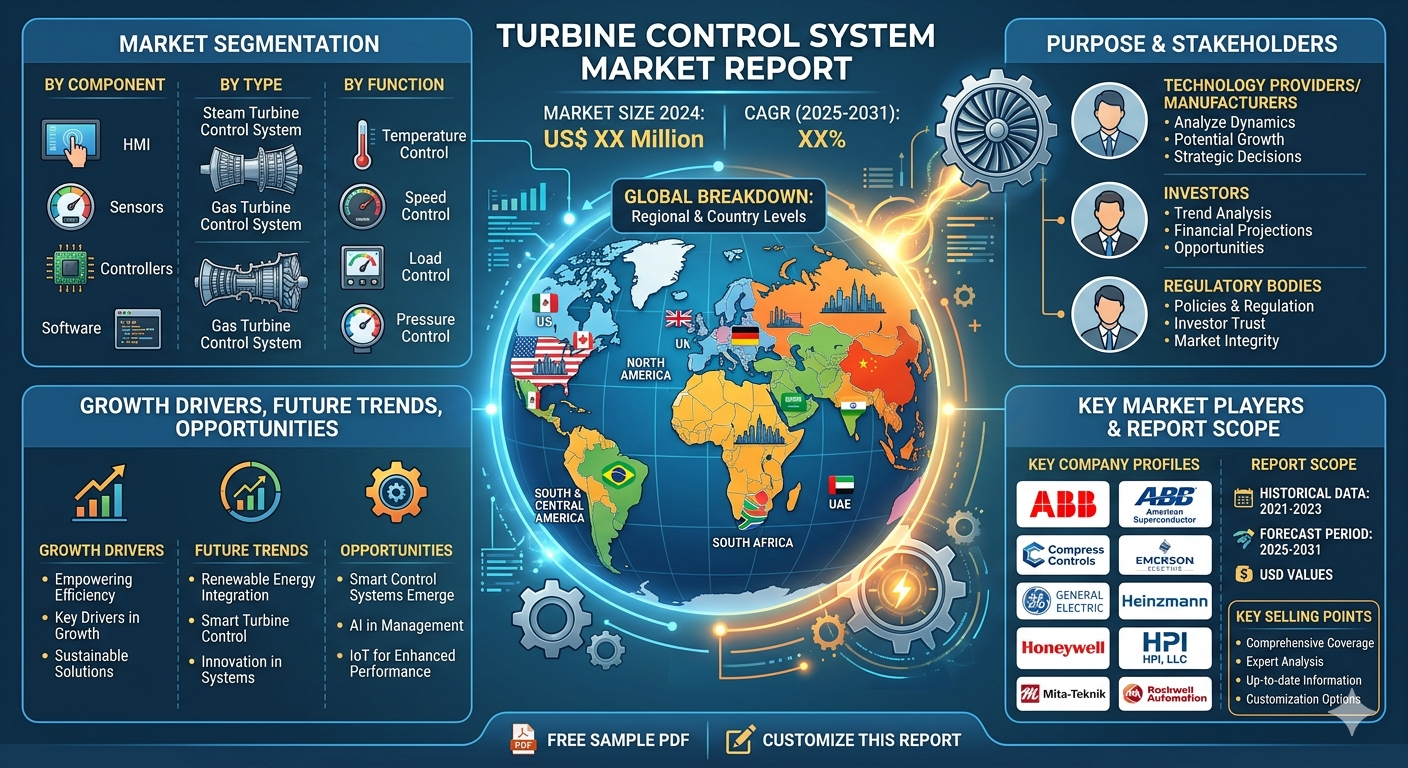
Modern energy infrastructure and industrial facilities depend heavily on advanced automation technologies to ensure reliable and efficient turbine operations. Turbines are widely used in power plants, oil and gas facilities, marine propulsion systems, and aerospace applications to convert fluid energy into mechanical or electrical power. Effective control systems are essential for regulating...