How Coin Grading Works for Dealers in New Orleans

Coin grading is one of the most important parts of the numismatic market, especially for dealers who buy, sell, and evaluate collections in a city with a long history of trade like New Orleans. A coin’s grade affects its market value, its desirability to collectors, and the confidence both buyers and sellers place in a transaction. For anyone working with a Coin dealer in New Orleans, understanding how grading works is essential because even small differences in condition can mean a major change in price.
In practical terms, grading is the process of judging a coin’s physical condition, level of wear, strike quality, eye appeal, and authenticity. Dealers use this information to decide what to offer, how to price inventory, and whether a coin should be submitted for third-party certification. In a market where trust matters, the grading process helps create a shared language between dealers, collectors, and investors.
New Orleans has a unique place in American coin history. Its connection to shipping, banking, commerce, and Southern collecting traditions makes the local market especially active for older U.S. coins, silver issues, colonial pieces, and world coins that traveled through port trade. Because of that, grading standards are not just academic. They are part of daily business.
Key Points
- Coin grading measures a coin’s condition, wear, strike, and visual appeal.
- Dealers use grading to set prices, assess authenticity, and decide whether to certify coins.
- Small grade differences can create large value changes.
- Local New Orleans market knowledge matters when evaluating older and circulated coins.
- Third-party grading helps standardize value, but dealer expertise still plays a major role.
What Coin Grading Means in Everyday Dealer Work
For dealers, grading is not just about assigning a number or a label. It is a working tool used during buying, selling, and inventory management. A dealer may examine a coin under proper lighting, compare it with known examples, and estimate how the market will view its condition. The goal is to determine whether the coin is common, scarce, undergraded, overgraded, cleaned, damaged, or exceptional for its type.
Most U.S. coin grading is based on the Sheldon scale, which runs from Poor-1 to Mint State-70. Coins in circulated condition are graded from Poor through About Uncirculated, while uncirculated coins fall into the Mint State range. Dealers pay close attention to the distinction between grades such as Very Fine, Extremely Fine, About Uncirculated, and Mint State because those categories often determine whether a coin is considered a budget piece or a premium item.
How Dealers Evaluate a Coin
1. Wear on the high points
One of the first things a dealer checks is where the coin shows friction or loss of detail. High points on a design wear down first. On a Morgan dollar, for example, the cheek and hair above the ear often reveal wear before other areas. On a Liberty Head nickel, the high points of the portrait and the wreath are key indicators.
2. Surface quality
Surface quality includes scratches, marks, corrosion, cleaning, and toning. A coin with original surfaces usually appeals more to collectors than one that has been harshly cleaned. Dealers know that cleaning can leave hairline scratches or unnatural brightness that lowers value.
3. Strike and luster
The sharpness of a coin’s strike and the presence of original mint luster also matter. Some coins were struck weakly at the mint, so a dealer must distinguish between weak strike and actual wear. Luster, the reflective quality seen on uncirculated coins, often helps confirm a coin’s grade.
4. Eye appeal
Eye appeal is partly subjective, but it is still important. Two coins may receive the same numerical grade, yet one may look more attractive because of balanced toning, cleaner fields, or better overall presentation. In real market terms, eye appeal can influence how quickly a coin sells and at what price.
Why Grading Matters So Much in New Orleans
New Orleans dealers often work with a mix of inherited collections, estate pieces, bullion-related material, and historic U.S. coins that have been passed down for generations. Many sellers do not know the difference between a lightly worn coin and one in higher collector grade. That makes grading especially important in local transactions.
Because New Orleans has a strong history of antique and estate markets, dealers often encounter coins that have been stored in drawers, albums, jars, or old family collections. These coins may have original surfaces, but they may also have cabinet friction, environmental damage, or toning from long-term storage. A skilled dealer can tell the difference and explain how each factor affects value.
Local knowledge also helps dealers recognize what is commonly found in the region. Certain silver coins, Southern-related pieces, and old U.S. types may appear more often in Gulf Coast collections than in other markets. That experience helps dealers grade more accurately and avoid pricing errors.
The Role of Third-Party Grading Services
Many dealers rely on professional grading services for higher-value coins, especially when authenticity or market confidence is a concern. Services such as PCGS and NGC use standardized grading methods and seal coins in protective holders with assigned grades. This can make trading easier because buyers often trust certified grades more than raw opinions.
Still, third-party grading does not replace dealer judgment. Dealers must decide whether a coin is worth submitting in the first place. If a coin is too common, has too much wear, or shows problems that will lower the grade, certification fees may not be justified. That is why strong in-house grading skills are essential.
Dealers also know that certification is not perfect. Two coins with the same label may still look different to experienced eyes. A dealer may value one more highly because of superior color, originality, or sharper strike. In other words, the slab is only part of the story.
Common Grading Problems Dealers Watch For
- Cleaning: Coins that have been polished or wiped can lose collector value.
- Damage: Scratches, rim bumps, holes, and dents reduce desirability.
- Artificial toning: Some discoloration is natural, but some is created to mislead buyers.
- Environmental damage: Corrosion, spotting, and residue can lower a grade.
- Altered surfaces: Tooling or repairs can make a coin less marketable.
Dealers in New Orleans often see coins that have spent years in humid conditions. Moisture can leave behind haze, spotting, or active corrosion, especially on silver and copper. That is one reason proper storage matters so much. A coin that might have graded higher when new can lose value if it has been exposed to poor conditions.
How Market Demand Affects Grading Decisions
Grading is not only technical. It is also tied to market demand. A dealer may grade a coin conservatively if the market is soft and buyers are cautious. In a strong market, coins with attractive surfaces and solid eye appeal may receive more attention even if they are not technically rare. The grade itself remains important, but demand determines how aggressively a coin will be priced.
For example, a common-date silver dollar in About Uncirculated condition may move slowly unless it has unusually nice color or strong luster. By contrast, a lower-mintage coin in the same grade can command a higher premium because collectors are actively seeking it. Dealers must balance technical grading with an understanding of what local and national buyers want.
Practical Tips for Sellers and Collectors
If you are bringing coins to a dealer, it helps to understand a few basic grading principles before you walk in. You do not need to become an expert, but you should know what affects value.
- Handle coins by the edges to avoid fingerprints and surface wear.
- Do not clean coins with household products.
- Store coins in inert holders, albums, or flips designed for numismatics.
- Separate bullion coins from collectible coins, since they are valued differently.
- Ask whether a coin is being evaluated for metal content, collector grade, or both.
These simple steps can protect value and make dealer evaluation easier. A coin that arrives in original, undisturbed condition usually has the best chance of receiving a fair assessment.
How Dealers Build Trust Through Grading
Trust is central to the coin business. Buyers want confidence that they are paying a fair price, and sellers want to know they are not being underpaid. Dealers build that trust by explaining how they arrived at a grade, pointing out visible marks or wear, and being transparent about why one coin is worth more than another.
In New Orleans, where many transactions involve inherited collections and long-held family items, clear communication is especially valuable. A dealer who can explain grading in plain language helps sellers understand what they own and why the market values it a certain way. That educational role is one of the reasons experienced dealers remain important even in a digital marketplace.
Conclusion
Coin grading is both a technical skill and a practical business tool. For dealers in New Orleans, it shapes nearly every part of a transaction, from initial inspection to final pricing. The process involves more than counting scratches or checking for shine. It requires an understanding of wear, originality, strike, eye appeal, market demand, and local collecting habits.
Whether a coin is being evaluated for resale, certification, or collection building, accurate grading helps protect value and build confidence. In a city with deep historical roots and active trade, that knowledge remains essential. For dealers and collectors alike, learning how grading works is one of the best ways to make smarter decisions and better understand the market.
FAQ
What is the main purpose of coin grading?
Coin grading determines a coin’s condition and market quality. Dealers use it to help set prices, compare coins, and decide whether a piece should be certified.
Why do small grade differences matter so much?
Even a small change in grade can create a large change in value, especially for rare or high-demand coins. Collectors often pay a premium for coins in better condition.
Do dealers always use third-party grading services?
No. Dealers often grade coins themselves first. Third-party grading is usually reserved for coins where certification adds value, confidence, or authentication.
Can a cleaned coin still be valuable?
Yes, but usually less valuable than a coin with original surfaces. The amount of value lost depends on the type and severity of cleaning and the coin’s rarity.
How does New Orleans climate affect coins?
Humidity can cause toning, spotting, haze, and corrosion over time. Coins stored improperly in the region may show more surface issues than coins kept in dry conditions.
الأقسام
إقرأ المزيد
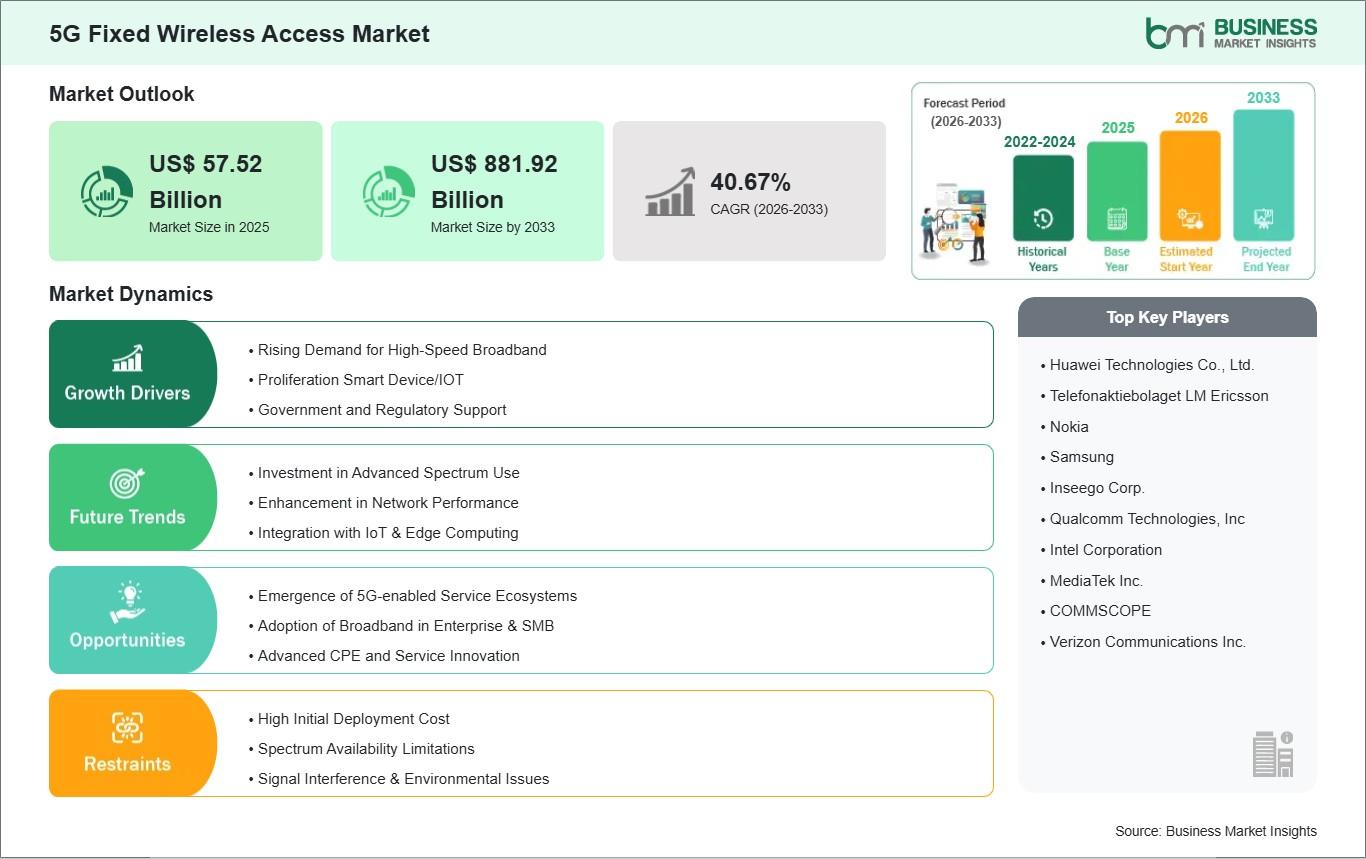
The 5G Fixed Wireless Access Industry is experiencing remarkable growth worldwide, driven by the rapid expansion of high-speed broadband demand, rising adoption of smart devices, and increasing reliance on cloud-based services, remote work, and digital entertainment. The need for flexible, cost-effective, and fast-to-deploy connectivity is accelerating adoption across underserved urban,...
Cricket has evolved far beyond the boundaries of stadiums and television broadcasts. Today, fans expect to stay connected to their favorite matches anytime and anywhere through digital platforms. Whether following a major international tournament, a domestic league, or a high-profile rivalry, users increasingly rely on mobile applications to access information, stay updated, and engage with...

"Executive Summary India White Goods Market Size and Share: Global Industry Snapshot The India white goods market size was valued at USD 13.12 billion in 2024 and is expected to reach USD 20.14 billion by 2032, at a CAGR of 5.50% during the forecast period Each of the topics covered in the India White Goods report is studied very well to get a clear idea...

Running a digital marketing agency is complicated enough. Managing clients, pitching new business, delivering results, handling revisions. Would adding full in-house SEO delivery on top of that make sense? For many agencies, it's just not practical. That's where SEO reseller services come in. And for the right agency, they're genuinely transformative. What Is an SEO Reseller, Exactly?...

The Marine Management Software Market Growth is gaining significant momentum as the global maritime industry embraces digital transformation to improve operational efficiency, fleet management, regulatory compliance, and sustainability initiatives. Marine management software has become an essential technology for shipping companies, port authorities, offshore operators, and vessel owners...