Can Fatty Liver Disease Lead to Liver Cancer?

Fatty liver disease is becoming increasingly common, affecting millions of people in the United States. While many individuals with fatty liver disease never develop serious complications, some may experience progressive liver damage that increases the likelihood of liver cancer. Understanding this connection is important, especially for people with additional risk factors such as obesity, diabetes, or chronic viral hepatitis. Advances in screening technologies, including an early cancer detection blood test, are helping healthcare providers improve surveillance for patients at elevated risk. If you have been diagnosed with fatty liver disease, learning about prevention, monitoring, and early detection can help you make informed healthcare decisions.
Understanding Fatty Liver Disease
Fatty liver disease occurs when excess fat accumulates in liver cells. The condition includes both alcohol-related liver disease and metabolic dysfunction-associated steatotic liver disease (MASLD), formerly known as non-alcoholic fatty liver disease (NAFLD). In many people, fatty liver causes few or no symptoms, making regular medical evaluation important for those with known risk factors. Although early-stage fatty liver may not significantly damage the liver, persistent inflammation can eventually lead to scarring and reduced liver function. Over time, advanced liver damage may increase the fatty liver cancer risk for certain individuals.
How Fatty Liver Disease Can Progress
From Fat Accumulation to Liver Damage
Fat buildup alone does not automatically result in liver cancer. However, ongoing inflammation may progress to fibrosis and eventually cirrhosis, creating an environment where liver cells become more vulnerable to genetic changes. As liver tissue becomes increasingly damaged, the likelihood of developing hepatocellular carcinoma (HCC) rises. This progression often occurs gradually over many years without causing noticeable symptoms. Regular monitoring allows physicians to identify changes before significant complications develop.
Why Some Patients Face a Higher Risk
Not everyone with fatty liver disease will develop liver cancer. Factors such as obesity, type 2 diabetes, metabolic syndrome, advanced fibrosis, cirrhosis, smoking, and excessive alcohol consumption may increase the overall fatty liver cancer risk. Patients with multiple risk factors often require closer surveillance than those with mild disease. Healthcare providers evaluate each patient's medical history to determine the most appropriate monitoring strategy. Individualized care remains essential for effective liver health management.
The Importance of Early Detection
Because liver cancer frequently develops without obvious symptoms, surveillance plays a critical role for high-risk patients. Many people wonder whether an early cancer detection blood test can help identify cancer before symptoms appear. Blood-based technologies continue to evolve and may complement imaging studies as part of a comprehensive surveillance strategy for eligible individuals. Earlier identification of concerning changes may provide additional treatment opportunities if cancer develops. Your healthcare provider will determine which surveillance methods are appropriate based on your clinical profile.
Is There a Blood Test for Liver Cancer?
Modern Blood-Based Screening Technologies
Patients commonly ask, is there a blood test for liver cancer that can detect the disease early. Today, advanced blood-based technologies are being developed to support liver cancer surveillance, particularly among individuals at elevated risk for hepatocellular carcinoma. These innovative approaches analyze biological markers that may provide valuable clinical information when combined with imaging and physician evaluation. While no single blood test replaces a complete diagnostic workup, these technologies represent an important advancement in liver cancer monitoring. Healthcare providers interpret blood test results alongside other clinical findings to guide patient care.
Blood Tests Complement Other Screening Methods
A blood-based approach should always be viewed as one component of a broader surveillance strategy. Physicians frequently combine laboratory testing with imaging studies and routine clinical assessments to improve detection accuracy. Some patients ask whether can blood work detect cancer, but the answer depends on the type of cancer, individual risk factors, and the specific testing methods used. Blood-based technologies are designed to complement—not replace—other recommended evaluations. Comprehensive assessment provides the most reliable picture of liver health.
Recognizing the Early Signs of Liver Cancer
One of the greatest challenges with liver cancer is that symptoms often appear only after the disease has progressed. The early signs of liver cancer may include persistent fatigue, unexplained weight loss, abdominal discomfort, decreased appetite, nausea, or jaundice. These symptoms are not unique to liver cancer and may occur with many liver conditions. Individuals with fatty liver disease should report persistent or worsening symptoms to their healthcare provider. Early evaluation helps determine whether additional testing is necessary.
Additional Conditions That Increase Liver Cancer Risk
Fatty liver disease is only one factor associated with hepatocellular carcinoma. Chronic viral hepatitis remains another major cause of liver cancer worldwide, and the risk of liver cancer in hepatitis B remains significantly elevated without appropriate medical management. Patients with hepatitis B often require long-term surveillance regardless of whether symptoms are present. When fatty liver disease and hepatitis coexist, healthcare providers may recommend closer monitoring depending on the patient's overall liver health. Managing underlying liver disease can help reduce future complications.
Comprehensive Evaluation for High-Risk Patients
If surveillance identifies concerning findings, physicians may recommend additional tests for liver cancer to determine whether cancer is present. These evaluations may include imaging studies, laboratory assessments, and other diagnostic procedures based on individual clinical circumstances. Some patients also ask whether doctors can detect cancer in blood work, but blood-based findings must always be interpreted within the context of the complete clinical picture. Multiple diagnostic tools provide the most accurate assessment of liver health. Early investigation allows healthcare providers to develop the most appropriate care plan.
Advances in Blood-Based Cancer Detection
Medical research continues improving the ability to identify cancer earlier through innovative screening technologies. A modern cancer screening blood test may help support surveillance for individuals who face an elevated risk of liver cancer when used appropriately. Researchers are also developing increasingly sophisticated methods to detect cancer in blood work, helping physicians gather valuable clinical information during routine monitoring. These innovations continue expanding opportunities for earlier identification of liver disease progression. As technology advances, blood-based screening will likely play an increasingly important role in comprehensive liver cancer surveillance.
The Future of Liver Cancer Screening
Ongoing innovation continues shaping how physicians identify liver cancer in high-risk populations. An early cancer detection blood test represents one of several promising advances designed to improve surveillance before symptoms develop. Researchers also continue refining the early cancer detection test to enhance its clinical usefulness for eligible patients. Although no screening method is perfect, combining blood-based technologies with physician-guided surveillance may improve opportunities for earlier intervention. Patients should discuss personalized screening recommendations with their healthcare provider based on their individual risk factors.
Conclusion
Fatty liver disease can increase the likelihood of liver cancer, particularly when chronic inflammation progresses to fibrosis or cirrhosis. While not everyone with fatty liver disease develops cancer, individuals with advanced liver damage or additional risk factors benefit from ongoing medical surveillance. Modern innovations, including an early cancer detection blood test and advanced technologies that answer the question, is there a blood test for liver cancer, are helping healthcare providers strengthen liver cancer monitoring for eligible patients. Combined with regular medical care and appropriate imaging, these tools support earlier evaluation and more informed clinical decision-making. If you have fatty liver disease or other liver cancer risk factors, speak with your healthcare provider about the surveillance strategy that is right for you.
Категории
Больше
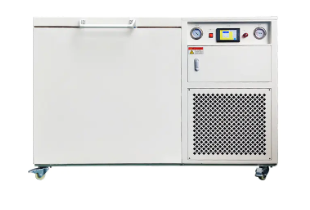
A busy food operation rarely slows down long enough for traditional cooling systems to catch up. Ingredients arrive unexpectedly, prep schedules change, and large batches often need freezing faster than older equipment can comfortably handle. That pressure is exactly why the industrial fridge freezer and industrial blast freezer have become increasingly discussed among overseas food businesses...
The global craft rum market is witnessing steady expansion as consumers increasingly seek premium handcrafted alcoholic beverages with authentic flavors and artisanal production methods. Valued at US$ 1.5 billion in 2021, the global craft rum industry is projected to grow at a compound annual growth rate (CAGR) of 5.5% from 2022 to 2031, reaching US$ 2.5 billion by the end of 2031. The market...

Why Choose Tambov State Medical University Russia for MBBS? Studying MBBS abroad has become a preferred choice for many Indian and international students due to global exposure, affordable education, and internationally recognized degrees. Among the top destinations, Russia stands out for its strong medical education system. One of the most trusted institutions is Tambov State Medical...

Cardital - Die zahlreichen Cardital Kapseln Erfahrungen zeigen, dass viele Nutzer das Produkt als wertvolle Ergänzung ihrer täglichen Gesundheitsroutine betrachten. Besonders die unkomplizierte Einnahme und die Möglichkeit, Cardital mit einer ausgewogenen Ernährung sowie regelmäßiger Bewegung zu kombinieren, werden häufig positiv hervorgehoben. Wer...

A single bed design plays an important role in creating a comfortable and functional bedroom, especially in modern homes where space and style matter equally. Whether you are furnishing a child’s room, a guest bedroom, or a compact apartment, choosing the right single bed design can greatly improve both aesthetics and usability. Today’s designs are not just about sleeping;...