A Complete Guide to Compliant Higher Education: Day 1 CPT Consulting Services

The decision to pursue a graduate degree in the United States while building hands-on industry experience is a major milestone for international professionals. Combining academic learning with immediate practical application allows students to test theoretical concepts in real time, deliver immediate value to employers, and build essential professional networks. However, achieving these goals requires a complete understanding of university admissions, academic policies, and federal compliance rules.
Without clear guidance, navigating the administrative procedures involved in securing work authorization can seem intimidating. Educational advisors provide the clarity, structure, and personalized support necessary to make informed choices. Working with experts ensures that every step of your educational journey is fully compliant and aligned with your long-term career vision.
Understanding the Foundations of Student Work Authorization
Practical training is a regulatory mechanism designed to enrich an international student's academic journey through direct professional exposure.
The Role of the Designated School Official (DSO)
The Designated School Official plays a central role in managing international student compliance. DSOs are authorized by federal agencies to issue Form I-20, monitor enrollment status, and endorse practical training authorizations. Maintaining open, transparent communication with your DSO ensures that all educational activities remain fully compliant.
Regulatory Standards for Immediate Internship Programs
For practical training to begin during the first academic term, the university's official course catalog must explicitly state that practical experience is required for all students in that specific degree program. Programs structured in this manner integrate practical training as a core degree requirement rather than an elective option.
|
Key Regulatory Standard |
Operational Requirement |
|
Catalog Requirement |
Practical training mandatory for all students |
|
Academic Direct Alignment |
Employment duties match degree major field |
|
Active Enrollment |
Maintained full-time status & residency attendance |
|
DSO I-20 Endorsement |
Work authorization registered in SEVIS database |
Choosing the Ideal University and Degree Program
Selecting an institution that aligns with your educational background, geographic preferences, and career aspirations requires evaluating several key criteria.
Assessing Regional Accreditation
Regional accreditation represents the gold standard of academic quality in the United States. Accredited institutions undergo rigorous evaluations by independent regional accrediting bodies recognized by the US Department of Education. Graduating from a regionally accredited university ensures that your degree is widely recognized by top employers, professional licensing boards, and other academic institutions.
Evaluating Flexible Learning Structures
Executive graduate programs designed for working professionals combine asynchronous online coursework with mandatory, concentrated on-campus residency weekends. Reviewing class schedules, faculty credentials, and campus facilities helps ensure the learning environment meets your expectations. Working with trusted Day 1 CPT consulting services helps students compare accredited programs nationwide to find the right academic fit.
The Step-by-Step Enrollment and Authorization Journey
Achieving a seamless transition into your chosen graduate program involves a structured, step-by-step process.
Step 1: Program Selection and Application
Review degree options, confirm eligibility requirements, and submit a complete application package including transcripts, statement of purpose, and professional references.
Step 2: Admission and SEVIS Transfer
Upon receiving your acceptance letter, initiate the transfer of your SEVIS record from your current institution or request an initial Form I-20 if applying from outside the school system.
Step 3: Employer Agreement and DSO Review
Submit your official job offer letter and employer cooperative agreement to the university's international student office for DSO verification. Relying on specialized Day 1 CPT consulting services ensures your employment documentation strictly adheres to university guidelines before formal DSO review.
Step 4: Authorization and Onboarding
Receive your updated Form I-20 with the DSO endorsement and designated start date on page two. Present this updated document to your employer's HR department to finalize your practical training onboarding.
Essential Rules for Maintaining Legal Compliance
Preserving your legal student status throughout your academic program requires diligence and ongoing attention to administrative rules.
-
Never Exceed Authorized Dates: Work only within the exact start and end dates printed on your endorsed Form I-20.
-
Maintain Continuous Enrollment: Register for and complete all required courses each term without unauthorized breaks.
-
Attend All Mandatory On-Campus Classes: Mark required physical residency weekends on your calendar well in advance to prevent attendance conflicts.
-
Update SEVIS Information: Report any personal address updates or employment changes to your DSO within 10 days.
Conclusion
Combining graduate education with practical work authorization offers international professionals an exceptional path toward career growth in the United States. By selecting accredited institutions, working closely with DSOs, and utilizing expert educational consulting, you can successfully balance your academic goals with hands-on professional achievement.
Kategoriler
Read More
Natural gas distribution is being revolutionized by virtual pipelines, which extend the reach of the gas grid to areas where traditional pipeline infrastructure is absent, economically unfeasible, or insufficient to meet demand. According to Market Research Future, the virtual pipelines market is projected to grow from USD 2.575 billion in 2025 to USD 4.226 billion by 2035. The residential...

The global Software Consulting Market Share is a vast, complex, and highly competitive landscape, with a structure that is best understood as a tiered pyramid. The market is not dominated by a single type of firm; rather, its share is distributed across several distinct categories of players, each with a different business model, target client, and competitive advantage. The top of...

I'm dealing with a frustrating issue on my 2015 Cayenne Diesel – the air suspension warning light came on a few days ago and the car seems to be sitting lower on the rear left corner than the right, which I'm pretty sure means there's a leak somewhere. I've done the basic checks like looking for obvious damage to the air springs and listening for hissing sounds, but I can't find anything...

Botox has become one of the most sought-after non-surgical cosmetic procedures worldwide, offering an effective solution to smooth fine lines, wrinkles, and facial creases. In Islamabad, the demand for professional Botox services has grown rapidly as individuals increasingly prefer minimally invasive treatments for a youthful and rejuvenated appearance. Royal Cosmetic Surgery Clinic Islamabad...

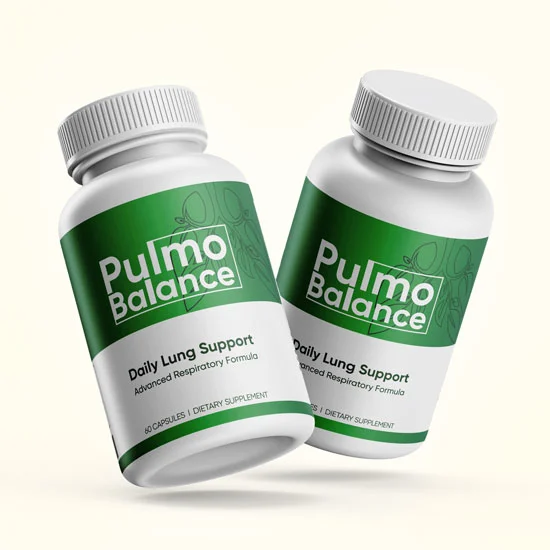
Pulmo Balance is a respiratory health supplement designed for adults in the UK who want to maintain healthy lungs and comfortable breathing. With increasing exposure to air pollution, traffic fumes, and seasonal environmental changes, many individuals are becoming more mindful of their respiratory health. Pulmo Balance is formulated to support clear airways and steady oxygen flow, helping users...