


Gang Sheets vs Screen Printing for Small Orders: Which Offers Better Value?

When choosing between gang sheets vs screen printing, many small apparel brands discover that the best choice comes down to three factors: order size, artwork complexity, and setup costs.
While screen printing remains the classic standard for large bulk jobs, modern Direct-to-Film (DTF) technology has transformed short-run custom apparel. Using gang sheet printing, decorators can print multiple full-color logos onto a single transfer film, eliminating expensive setup fees and speeding up turnaround times.
At a Glance: Quick Comparison
|
Feature |
Gang Sheets (DTF) |
Screen Printing |
|
Setup Cost |
Low / Zero screen fees |
High (per color/screen) |
|
Best Order Size |
1 to 75 pieces |
100+ pieces |
|
Color Limit |
Unlimited (Gradients & Photos) |
Limited per screen |
|
Turnaround |
Fast |
Moderate to Slow |
|
Fabric Versatility |
Cotton, Poly, Blends, Leather, Canvas |
High (Requires ink adjustment) |
1. Cost & Setup: Winner = Gang Sheets for Small Runs
Screen printing involves significant upfront labor—creating color separations, burning mesh screens, and calibrating the press before printing a single shirt. When split across just 10 or 20 garments, these setup costs drive the cost-per-shirt sky-high.
In contrast, custom DTF transfers skip screen creation entirely. Artwork is printed digitally from the file, making gang sheets the most cost-effective solution for small orders, one-off samples, and seasonal Etsy or Shopify drops.
2. Artwork & Color Versatility: Winner = Gang Sheets
Screen printing excels at simple, bold, 1- or 2-color logos. However, if your graphic features detailed shading, photographic elements, or vibrant gradients, screen printing requires multiple screens and fine-mesh registration, increasing both cost and production time.
DTF transfers handle fine lines, small text, and unlimited colors in a single pass without extra charges.
Order Decision:
-
Low Volume (<75 pcs) / Full Color ──► Gang Sheets
-
High Volume (100+ pcs) / 1-2 Colors ──► Screen Printing
3. Fabric Compatibility: Winner = Gang Sheets
Traditional screen printing often runs into dye migration issues on dark polyester or performance fabrics, requiring costly blocker inks. DTF gang sheets adhere effortlessly to cotton, polyester, moisture-wicking blends, canvas tote bags, and even faux leather without complex ink formulations.
4. Scalability for Print Shops
For growing print shops, outsourcing transfer production is an easy way to expand capacity without investing in expensive equipment. Utilizing a white label printing partner allows decorators to offer blind-shipped, high-quality transfers under their own brand. For larger operations, switching to bulk DTF printing lowers unit costs while keeping production moving during peak seasons.
Maximizing Value: Avoid Layout Errors
To get the most out of your film space, follow a proper guide to gang sheet printing. Nest your graphics tightly, include smaller sleeve or neck labels in empty gaps, and check your resolution (at least 300 DPI). Reviewing top common gang sheet mistakes—such as poor artwork spacing or missing cut margins—ensures you don't waste printable space. For best results, always double-check your layout against a trusted gang sheet recommendation for DTF before submitting your file.
The Verdict
When comparing gang sheets vs screen printing, choose screen printing for massive, single-design runs of 100+ garments where setup costs can be diluted. Choose gang sheet printing for small orders, complex multi-color designs, fast-turnaround jobs, or when you need maximum material flexibility without high upfront costs.
Ready to streamline your short-run production? Partner with DTFS for high-quality custom DTF transfers, scalable bulk DTF printing, and seamless white label printing solutions designed to grow your apparel business.
Categories
Read More
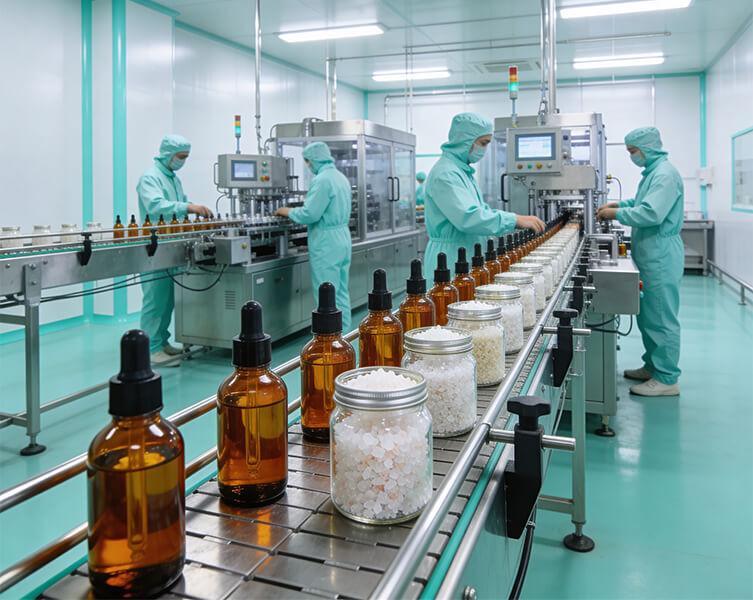
The bath and body industry has changed a lot over the past few years. What used to be a simple daily routine is now something people actually look forward to. Customers are no longer just buying products they’re buying how those products make them feel. That’s where Midwest Sea Salt Company comes in. Instead of focusing only on selling bath and body products in...
The global Medical Commodes Market is witnessing stable growth driven by the expanding elderly population and the increasing incidence of mobility impairments. Demand for home healthcare solutions continues to rise, boosting product adoption. Medical commodes improve patient safety, hygiene, and independence, supporting market expansion globally. According to The Insight Partners, the...

ESA policy in America is changing faster than most people realize. New federal guidance, shifting state laws, and a growing number of fraudulent letters have all pushed the conversation around emotional support animals to a turning point. In the middle of all this change, people who genuinely need an ESA still have to find a way to get proper documentation, and that is where working with a...
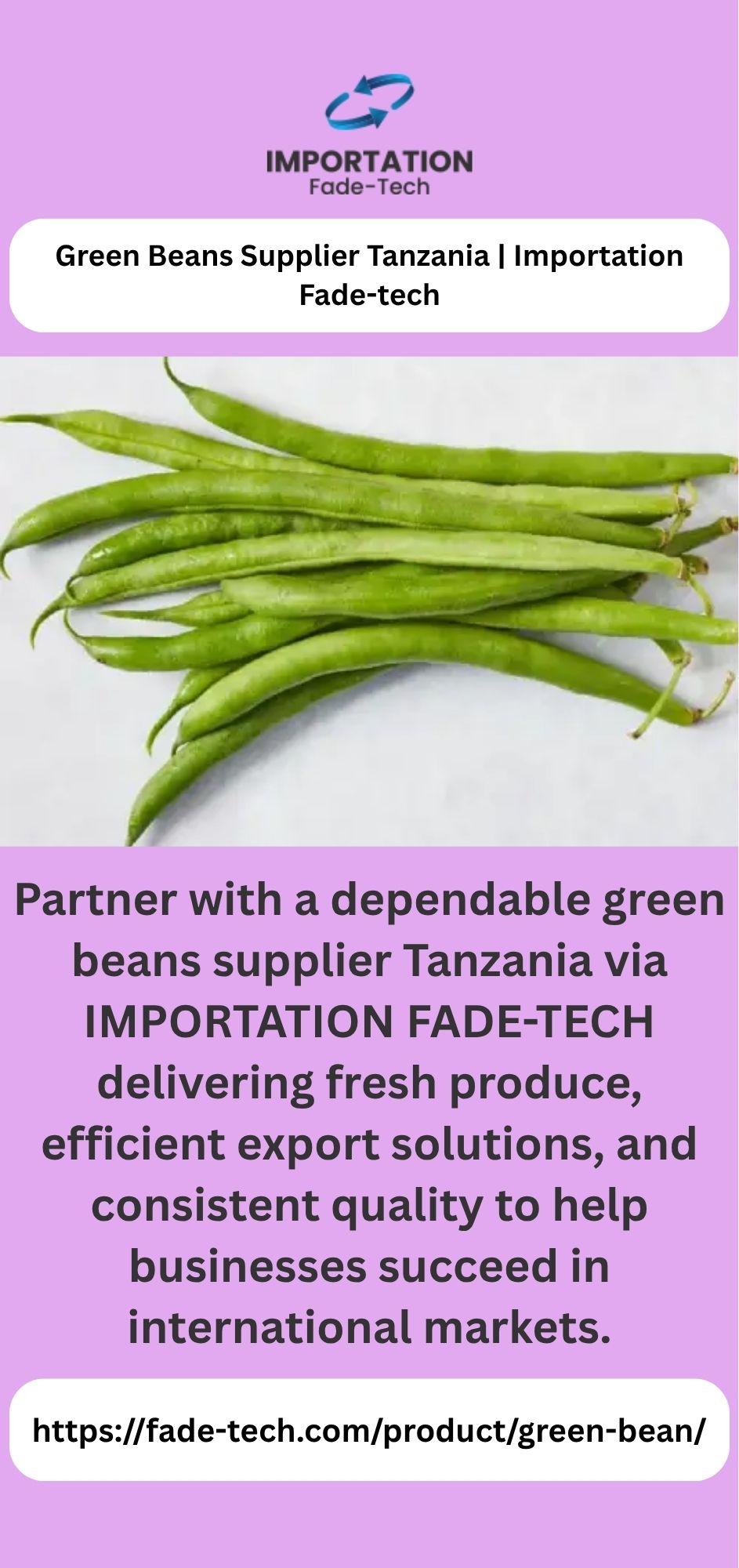
Partner with a dependable green beans supplier Tanzania via IMPORTATION FADE-TECH delivering fresh produce, efficient export solutions, and consistent quality to help businesses succeed in international markets. green beans supplier Tanzania
According to a new report from Intel Market Research, the global PEM Fuel Cell Pt/C Catalyst Market was valued at USD 346 million in 2024 and is projected to reach USD 933 million by 2032, growing at a robust CAGR of 15.6% during the forecast period. Growth is driven by the global transition toward decarbonization, with over 30 countries implementing hydrogen strategies and projected...
