


Key Factors to Consider Before Choosing Recovery Tools

hoosing the right recovery tools is one of the most important decisions a person early in their sobriety journey can make. The tools you select will shape your daily recovery experience, your access to support, and the quality of data and feedback available to inform your ongoing progress. With so many options available across app stores, online platforms, and clinical settings, making a thoughtful, informed choice requires a clear framework for evaluation. This guide identifies the key factors that should guide your selection process from the very beginning.
Your Individual Recovery Needs and Circumstances
The single most important factor in choosing recovery tools is the specific nature of your individual recovery needs and circumstances. Recovery is not a uniform experience — it differs dramatically based on the substance involved, the duration and severity of use, your social support environment, your mental health history, and your access to professional care. A tool that transforms someone else's recovery experience may be entirely inappropriate for your specific situation and needs.
Before evaluating any specific tool, invest time in honestly assessing your own recovery needs with as much specificity as possible. Do you need primarily accountability and tracking support, or do you need crisis intervention capability? Do you benefit most from community connection, or do you prefer private, individual-focused recovery support? Do you have access to professional clinical care that a digital tool will complement, or are you seeking digital support as your primary resource? Clarity about these questions dramatically improves the quality of your tool selection decisions.
Matching Tool Intensity to Your Recovery Stage
Recovery needs change significantly across different stages of the sobriety journey. Early recovery typically demands intensive daily support, crisis intervention capability, and robust community connection. The acute vulnerability of the first days and weeks requires tools that are immediately accessible, reliable under emotional stress, and capable of connecting you with human support very quickly when needed.
Later recovery often benefits from different kinds of digital support as the crisis-intensive phase gives way to the maintenance-oriented phase. Long-term recovery tools might focus more on habit maintenance, continued personal growth tracking, and contribution to peer community rather than intensive crisis support. Choosing tools appropriate to your current recovery stage rather than a generic stage means your digital support remains genuinely relevant and useful as your journey evolves.
Assessing Feature Relevance for Your Specific Goals
Digital recovery tools offer an enormous variety of features, and not every feature is equally relevant to every person's recovery goals. Evaluating which features genuinely address your specific needs prevents you from being either overwhelmed by unnecessary complexity or underserved by insufficient functionality.
Core Features for Different Recovery Goals
Sobriety tracking and milestone recognition are relevant to virtually everyone in recovery from alcohol or substance use. Seeing your sober days accumulate visually provides motivation and identity reinforcement that serves nearly all recovery journeys at all stages. If this is your only digital need, a simple, reliable day counter with a clean interface may be sufficient for your purposes.
Mood and craving logging features are most relevant for people working to understand their personal trigger patterns and emotional dynamics. If you tend to relapse in response to specific emotional states or situations, these features provide the data needed to identify and prepare for those patterns proactively. Not everyone needs this level of emotional data tracking but for those who do, it can be genuinely transformative for recovery quality and safety.
Community features matter most for people who experience recovery-threatening isolation and who benefit from peer connection and shared accountability. If your social environment is supportive of your recovery, community features may be less critical for you than for someone whose immediate social world is dominated by active drinkers. Honest assessment of your social support environment guides how much weight to give community features in your tool selection process.
Evaluating Feature Quality Over Feature Quantity
A tool with ten features executed excellently is almost always more valuable than one with thirty features executed poorly or unreliably. Feature quantity is often used as a marketing signal in the absence of genuine quality evidence. Evaluating the quality of individual features — how intuitively they work, how reliably they perform, how meaningfully they serve your goals — is more important than counting the number of features listed on a platform's marketing page.
Reading user reviews specifically for comments on the features most relevant to your needs provides the most practically useful evaluation data. Users who describe exactly how a specific feature helped them through a specific type of recovery challenge are giving you meaningful evidence about feature quality and real-world effectiveness. Generic positive reviews without specific feature mention are less informative for feature quality assessment purposes.
Evaluating Credibility, Transparency, and Ethical Practices
The credibility, transparency, and ethical practices of a recovery tool's developers significantly affect the trustworthiness of the tool itself. You are entrusting these tools with some of the most sensitive personal health information you generate. The developers who handle that information deserve careful evaluation beyond their marketing materials and claims about effectiveness.
Evidence-Based Foundations and Clinical Credibility
Recovery tools that are grounded in evidence-based behavioral health principles deserve greater confidence than those built on proprietary or unproven frameworks. Tools that cite relevant research, collaborate with clinical professionals in their development, and make their methodology transparent are demonstrating the kind of intellectual honesty that trustworthy healthcare tools require.
Best sober apps make their approach to recovery support transparent and engage honestly with the clinical research relevant to their features. They acknowledge the complexity of recovery without oversimplifying it for marketing appeal. They position their tools as part of a comprehensive recovery approach rather than complete solutions that eliminate the need for all professional support. These qualities reflect the kind of intellectual and ethical integrity that should guide your selection of recovery tools you will rely on during vulnerable periods.
Data Privacy and Security as Non-Negotiable Criteria
Privacy and security considerations must be non-negotiable criteria in your recovery tool evaluation process. Recovery data encompasses some of the most sensitive personal health information available about an individual. Platforms that collect this data have profound ethical responsibilities that their practices must substantiate beyond policy language.
Evaluate any tool's privacy practices by reading its privacy policy in full, checking for third-party certifications of its security practices, and researching any history of data breaches or privacy violations. Tools that are vague about their data practices, make their privacy policies deliberately difficult to read and understand, or have documented histories of privacy problems should be avoided regardless of how impressive their features appear. Privacy is not a secondary consideration — it is a foundational criterion for recovery tool trustworthiness.
Integration With Your Broader Recovery Ecosystem
No single digital tool exists in isolation from the broader recovery support ecosystem you are building or maintaining. The most effective digital recovery tools integrate well with other resources you are using rather than competing with them or undermining them.
Compatibility With Professional Treatment Plans
If you are working with addiction medicine physicians, therapists, or clinical counselors, your digital recovery tools should complement rather than contradict your professional treatment plan. Some clinical professionals have specific recommendations about digital tools based on their knowledge of your clinical situation. Others are open to discussing which tools their clients use and how those tools might be coordinated with clinical care for maximum benefit.
Bringing your tool choices into conversation with your clinical team ensures that your digital and professional support are working in the same direction. A clinician who knows you use a daily mood tracking app may find that data useful for treatment planning and monitoring. A therapist who knows you are engaged with an online recovery community can help you process community interactions as part of your therapeutic work. Integration between digital and professional support multiplies the effectiveness of both.
Evaluating Tool Ecosystems and Compatibility
Some digital recovery tools are designed to work as part of a broader ecosystem of complementary applications and services. Understanding how your chosen tools work together or fail to work together prevents the fragmentation that makes managing multiple platforms burdensome and unsustainable. A single well-designed platform that addresses multiple recovery needs coherently is often more sustainable than several specialized tools that require separate management.
Consider how the data generated by different tools you use could be unified or at least accessed together without excessive friction. Recovery insights are most useful when they can be viewed in context with each other rather than siloed in separate platforms. Tools that allow data export or integration with other health platforms provide greater long-term flexibility as your recovery needs and tool preferences evolve over time.
Cost Considerations and Sustainable Access
The financial dimension of digital recovery tool selection is a practical consideration that significantly affects sustainable engagement. Tools that are too expensive create financial stress that itself is a relapse risk factor. Tools that change their pricing model unpredictably create uncertainty that undermines the stability recovery requires.
Evaluating Free Versus Premium Features
Many digital recovery tools offer free basic versions alongside premium paid tiers with additional features. Evaluating which features are available at which price point helps you determine whether the free tier serves your actual needs or whether the most important features for you are locked behind a paywall. Some tools offer genuinely comprehensive free experiences others use free tiers primarily as acquisition tools with very limited real utility.
If a premium subscription is required for the features most relevant to your recovery needs, evaluate whether that cost is sustainable for you over a twelve-to-twenty-four month horizon at minimum. Recovery tools provide greatest benefit when used consistently over extended periods — a tool you can afford for three months but not twelve serves your recovery less well than a simpler free tool you can maintain indefinitely.
The investment of time in thoroughly evaluating recovery tools before committing to them pays dividends throughout your recovery journey. Tools chosen thoughtfully for your specific needs, values, and circumstances become genuine allies in one of the most important efforts of your life. Take the evaluation process seriously your recovery deserves the best support available to you at this moment in your journey.
Categorieën
Read More
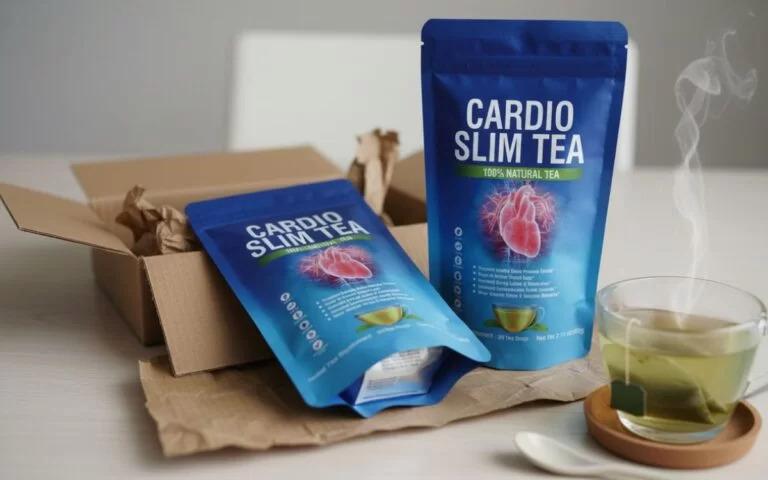
In recent years, natural wellness solutions have gained massive popularity as people move away from synthetic supplements and prescription-based approaches for everyday health concerns. One of the most common issues affecting adults today is a combination of slow metabolism, weight gain (especially around the belly), poor digestion, low energy, and imbalanced blood pressure. Modern lifestyles...
Maintaining excellent oral health is foundational to overall wellness, extending far beyond simply having a nice smile. For residents seeking professional and friendly service, consistent dental care in Bakersfield is your first line of defense against common, yet serious, oral health challenges. This post, brought to you by San Dimas Dental Care, explores the crucial role of proactive...

In today's connected world, Islamic education is no longer limited by location. Families across the globe are turning to online Quran classes for kids to provide their children with quality Quranic learning from the comfort of home. Whether you live in the USA, the UK, Canada, Australia, or any other part of the world, online learning offers a convenient and effective way for children to learn...

According to the latest report published by Data Bridge Market Research, the Metaverse in Healthcare Market The global metaverse in healthcare market size was valued at USD 11.57 billion in 2024 and is expected to reach USD 34.18 billion by 2032, at a CAGR of 14.50% during the forecast period The market growth is largely fueled by the growing...
When it comes to home maintenance, plumbing is one area where misinformation can lead to expensive mistakes. Many homeowners rely on advice they've heard from friends, family members, or online sources without realizing that some common plumbing beliefs are simply myths. Unfortunately, following bad advice can result in damaged pipes, costly repairs, and unnecessary stress. At Scarboro...
