


Handling Sudden Storm Damage Without the Usual Stress

Waking up to the sound of water dripping inside our homes is one of the most stressful experiences we can face as homeowners. The sudden realization that our primary shelter has been compromised brings a rush of anxiety, especially when it happens during the middle of the night or in the midst of a heavy 2026 storm. The ceiling stains expand, the buckets fill up, and the feeling of helplessness can be overwhelming. We understand exactly how disorienting this situation is. However, we also know that managing this crisis calmly and systematically reduces the damage and makes the recovery process much smoother for everyone involved. The first and most important thing we must do is take a deep breath and focus on immediate mitigation to protect our living space.
Our initial priority is always safety. We should never attempt to climb onto a wet, slippery surface during an active storm. The risk of serious injury far outweighs the benefit of placing a temporary tarp. Instead, we must manage the situation from the inside. We need to move furniture, electronics, and valuables away from the affected area immediately. Placing buckets or heavy-duty plastic bins under the leak is essential, but we should also lay down thick towels to catch the splatters, protecting our hardwood floors or carpets from secondary moisture damage. If the ceiling drywall begins to bulge significantly, holding a massive amount of water, it is often safer to carefully poke a small hole in the centre of the bulge with a screwdriver. This controls the flow and prevents the entire ceiling panel from collapsing abruptly under the weight and causing a massive mess.
Once the immediate interior situation is stabilized and the weather clears, we can begin the process of professional assessment. Finding a compassionate and responsive Roofer Louisville is our next critical step. We need someone who understands the urgency of the situation and responds quickly to secure the envelope of the property. A temporary emergency repair, such as professionally securing a heavy-duty waterproof tarp over the damaged section, buys us the necessary time to deal with insurance companies and plan for a permanent fix without the fear of the next rain shower causing more destruction to our interiors.
Documenting the damage comprehensively is absolutely necessary for a smooth insurance claim process. We must gather evidence before any permanent repairs begin, as the clearer our documentation, the easier it is to advocate for ourselves and ensure we receive fair compensation. We should start by taking clear, well-lit photographs of all interior water damage, including stained ceilings, warped floors, ruined paintwork, and damaged personal belongings. It is equally important to photograph any visible exterior damage from the ground, such as missing shingles, dented flashing, or fallen tree branches resting heavily on the structure. Alongside visual evidence, we need to keep a detailed written log of exactly when the damage occurred, the severity of the storm, and when we first noticed the water entry into the home. We must also remember to save every single receipt for emergency mitigation materials, such as tarps, buckets, or wet vacuums rented to clean up the standing water in the affected rooms. Finally, documenting all communications with our insurance provider, noting dates, times, and the names of the representatives we speak with, is essential to maintain a clear paper trail.
Dealing with insurance adjusters can feel intimidating, but we must remember that they rely heavily on the assessments provided by our chosen tradespeople. When we work with experienced professionals, they can meet the adjuster on-site, point out specific structural compromises that might be missed by an untrained eye, and ensure the estimate covers the full scope of the required restoration. We do not have to accept the first offer from the insurance company if it does not adequately cover the cost of returning our home to its pre-storm condition.
As we move toward the permanent replacement phase, we should use this opportunity to upgrade our materials. If severe wind caused the initial failure, we might consider switching to high-wind rated architectural shingles that offer better resistance. Upgrading the underlayment to a synthetic, highly tear-resistant material provides an extra layer of security against future storms. We can turn a stressful crisis into an opportunity to build a stronger, more resilient home. Experiencing sudden property damage is never easy, and the emotional toll is completely real. However, by focusing on safety, controlling the interior moisture, documenting everything meticulously, and partnering with understanding professionals, we can navigate the aftermath with confidence. We regain control of our living space and restore our peace of mind entirely.
Conclusion
Managing unexpected weather damage requires a calm approach and immediate interior mitigation to stop the bleeding. By documenting the destruction carefully and working alongside understanding professionals, we can handle the insurance claims and the repair process without unnecessary anxiety. Our homes will be secure once again, built stronger than before.
Call to Action
We understand the stress of sudden leaks and are ready to provide fast, compassionate assistance to protect your living space. Contact us immediately so we can secure your property and guide you through the restoration process smoothly.
Categorii
Citeste mai mult
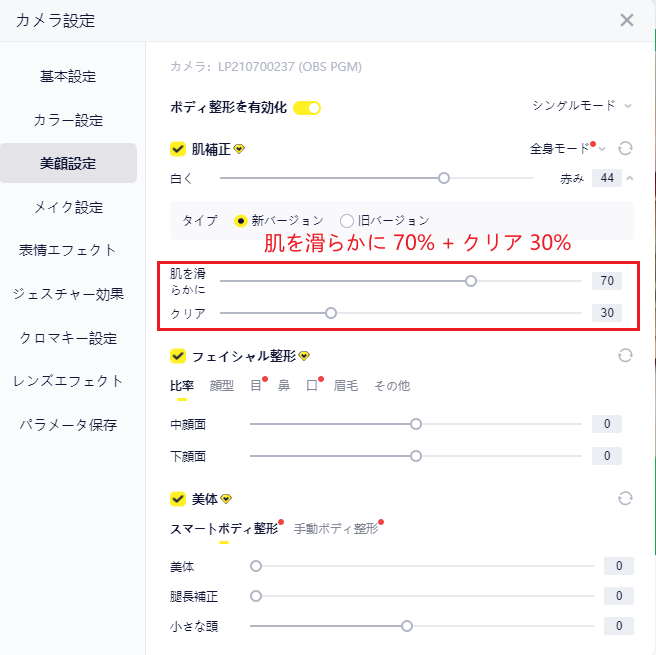
近年、ライブ配信は趣味や情報発信だけでなく、収益化の手段としても注目されています。特に「配信で稼ぐ」ことを目指すなら、視聴者が快適に楽しめる映像環境を整えることが重要です。yycamproの高画質Webカメラを活用すれば、初心者でも簡単に魅力的な配信を始められます。 高画質配信は、視聴者の第一印象を高め、長時間の視聴につながりやすいというメリットがあります。解像度1080p以上のWebカメラを用い、オートフォーカスやフレームレートの安定したカメラを選ぶことで、表情や動きのある配信もスムーズに行えます。さらに、外部マイクを併用すれば音声もクリアになり、全体的な配信クオリティが向上します。...
According to the latest report published by Data Bridge Market Research, the Rosemary Extract Market CAGR Value An international Rosemary Extract Market report can be employed by market players to learn about the competitive landscape and the level of competition in the global market. This market survey report includes a comprehensive evaluation of the market’s growth...

Ambrosia: Rausch und Geheimnisse Die Halluzinationen auslösende Flüssigkeit Ambrosia ist in den Bädern von Ohema erhältlich. Sie wurde entwickelt, um Besucher zu unterhalten und fungiert als rituelles Objekt der Verehrung für Faguse, die Schutzpatronin berauschender Getränke. Der Verkauf erfolgt ausschließlich nach Zustimmung zum Haftungsausschluss. Erwerben...
A new growth forecast report titled Inhalation Anesthesia Market Share, Size, Trends, Industry Analysis Report, By Drug (Sevoflurane, Desflurane, Isoflurane, Others); By Application; By End-Use; By Region; Segment Forecast, 2024 - 2032 introduced by Polaris Market Research represents conclusive data on the overall market. It majorly targets to provide a detailed analysis of growth factors,...
Non-Contact Temperature Market size was valued at USD 1.61 billion in 2026 to USD 4.38 billion by 2034, exhibiting a CAGR of 15.7% during the forecast period. This substantial growth trajectory is detailed in a comprehensive new report published by Semiconductor Insight. The study underscores the indispensable role of these advanced sensing solutions in enabling...