Making Material Handling Effortless with the Right Vacuum Lifters

There's a version of material handling that most workers in logistics and manufacturing have never experienced. One where lifting a 200-pound box doesn't require bracing, doesn't leave you sore the next morning, and doesn't accumulate as damage over months and years of shifts. That's not wishful thinking. It's exactly what vacuum lifting makes possible, and it's been a practical reality in industrial facilities for decades.
The key is finding the right equipment for the specific demands of your operation. TAWI has been solving that matching problem since 1923.
Why Does Material Handling Still Feel So Hard?
Honestly, it's because most facilities haven't updated their approach to the physical work. The equipment around workers has changed dramatically, with better conveyors, faster software, more sophisticated logistics management, but the lifting itself often still happens the same way it did twenty years ago. Manually. Repeatedly. At a pace that the human body wasn't designed to sustain.
The consequences are predictable. Back injuries, shoulder problems, fatigue-related errors, and sick leave are all direct outputs of manual handling operations that haven't been modernized. The strange thing is that the solution has existed for a long time. It's just been underdeployed.
How Does Vacuum Technology Remove the Physical Burden?
Vacuum technology works by creating a reliable, controlled grip between suction cups and the load surface through differential air pressure. The system holds the load while the operator controls the direction of movement. The operator's muscles are used for guidance, not for supporting weight.
TAWI has refined this technology across more than a century of industrial deployment. Their suction cup designs cover a wide range of load surfaces and materials, from smooth sealed boxes to rough sacks, polished glass, and metal sheets. For unusual or challenging surfaces, the engineering team can modify standard configurations or develop custom solutions.
What Makes TAWI's Vacuum Lifters Genuinely Effortless to Use?
Two things stand out: the ergonomic handle design and the intuitive operation. Every TAWI vacuum lifter is built with handles that keep the operator in a comfortable position, whether they're lifting from floor level, positioning at waist height, or reaching above the shoulder. The handles work equally well for right and left handed operators, which sounds like a minor detail but makes a real difference in day-to-day usability.
The operation itself requires minimal learning. Most operators are comfortable and productive within minutes. That fast learning curve matters in facilities with staff rotation, seasonal workers, or limited time for formal training programs.
Who Has Experienced the Difference Firsthand?
The maintenance manager at BoConcept in Denmark described the change clearly. Before TAWI vacuum lifters, some warehouse tasks required calling for assistance because not all employees could physically manage them. After installation, all warehouse employees could handle heavy items independently. Nobody needed to call for help. The operation became more self-sufficient at every workstation.
That example captures something important. The vacuum lifters don't just protect workers from injury. They expand what every worker in a facility is capable of doing. And that expansion has direct operational value.
What About Operations with Multiple Load Types?
The quick coupling system that TAWI offers is the practical answer to this question. A single vacuum lifter can serve multiple applications across a facility by switching suction feet between tasks. One lifter might handle sealed boxes in the morning, switch to open cartons in the afternoon, and be used for heavier sacks on a different line entirely.
This versatility dramatically improves the return on each piece of equipment. Instead of needing separate lifting solutions for each load type, facilities can maximize the utility of a smaller number of units.
What Is the Long-Term Value of Vacuum Lifting?
The long-term value compounds through several channels. Reduced injury rates lower sick leave, reduce insurance claims, and decrease staff turnover. Higher productivity across full shifts improves output without adding headcount. Workforce flexibility reduces the cost of absences and expands scheduling options. And the durability of TAWI equipment, with some customers using the same lifter for over 15 years, extends the value of the investment across an unusually long productive lifespan.
TAWI's position as a partner rather than just a supplier reinforces this long-term value. Post-sales support and service contracts ensure the equipment stays performing at its best throughout its entire operational life.
Conclusion
Effortless material handling isn't a marketing claim. It's a real outcome that TAWI's customers experience in facilities around the world, from warehouses to airports to food production lines. The technology is proven, the products are versatile, and the support structure is built for long-term success. If your team is still absorbing the physical cost of manual material handling, it's worth asking whether that needs to continue.
الأقسام
إقرأ المزيد
According to the latest report published by Data Bridge Market Research, the Medical Linear Accelerator Market The global medical linear accelerator market was valued at USD 3.90 billion in 2024 and is expected to reach USD 3.90 billion by 2032 During the forecast period of 2025 to 2032 the market is likely to grow at a CAGR of 7.10%, primarily driven by the...

The Military GPS Receivers Market is projected to reach US$ 875.3 million by 2030, rising from US$ 648.2 million in 2024 and US$ 691.7 million in 2025. The forecast period is 2025-2030, with Stratview indicating a 4.8% CAGR. This market forecast reflects the role of GPS receivers in modern military navigation and mission execution. This market analysis shows that demand is increasing because...

The online gaming industry in India has experienced significant growth over the past decade. With increasing smartphone adoption, faster internet connectivity, and growing digital awareness, millions of users are exploring various gaming platforms for entertainment and engagement. Among the platforms gaining attention is 13L Game in India, which offers users a digital gaming environment...

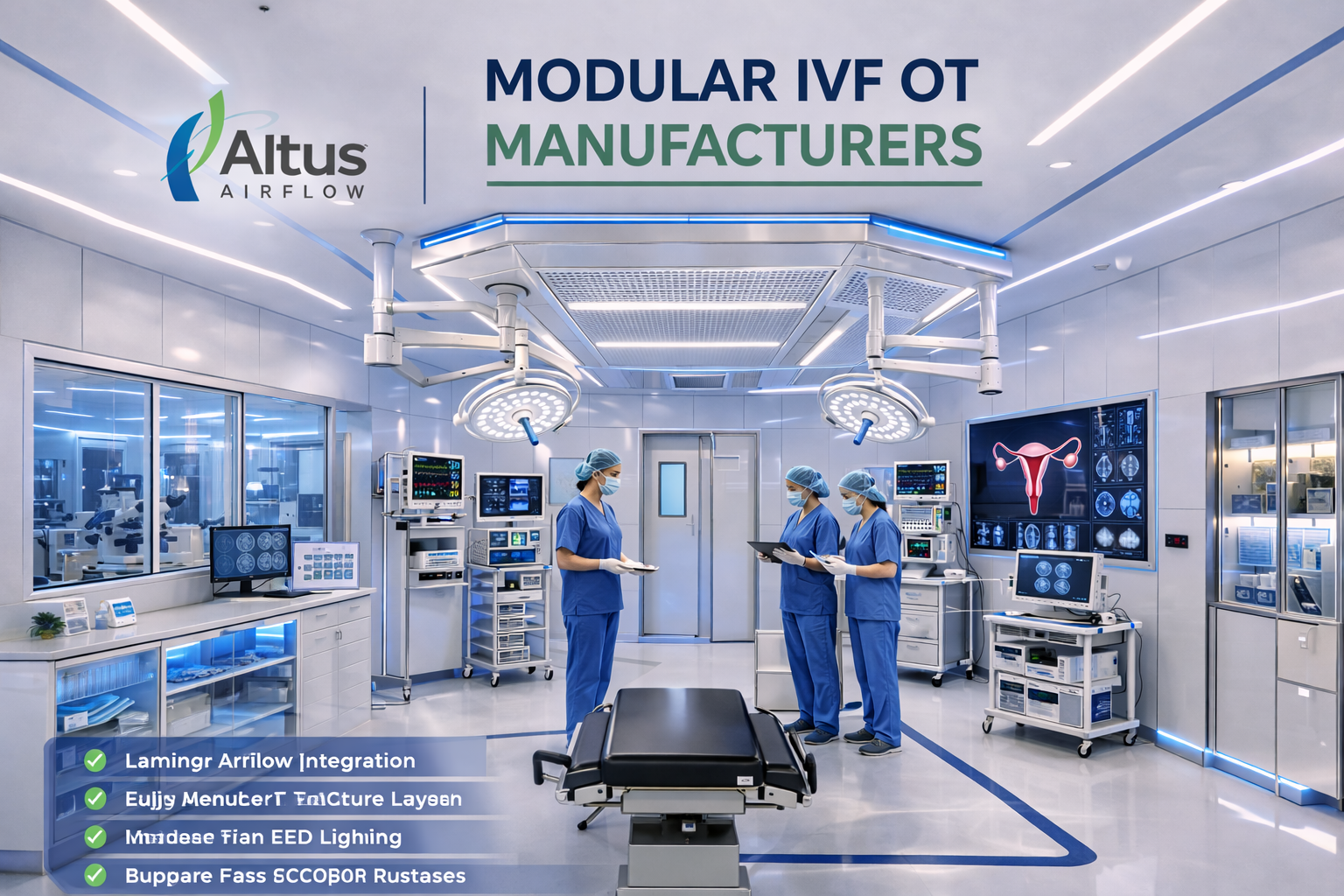
Introduction A Modular IVF OT Manufacturers company designs and develops advanced operation theatres for fertility clinics, IVF centers, and reproductive healthcare facilities. One of the most important factors in maintaining a sterile IVF operation theatre is the air change rate, commonly known as Air Changes Per Hour (ACH). The air change rate refers to how many times the...
Launching a trading platform quickly has become a major priority for businesses entering the digital asset industry. A White Label Crypto Exchange Development Company helps businesses reduce long development timelines and move directly into active trading markets without spending months building infrastructure from scratch. In a competitive market where opportunities change rapidly, faster...