Undergrad vs Masters in France: Different Rules, Different Risks (2026 Eligibility Guide)

A lot of students assume the process to study in France works roughly the same whether you're applying right after school or after finishing a bachelor's degree. It doesn't. The eligibility criteria, the risks involved, and even the way universities evaluate your application change quite a bit depending on which level you're applying for. Getting this wrong, or treating both routes as interchangeable, is one of the more common reasons applications get delayed or rejected.
This guide breaks down exactly how undergrad and masters applications differ for 2026, so you know what to prepare for before you start.
Undergraduate Applications: What French Universities Actually Look For
If you're applying to study in France straight after Class 12, the process is fairly structured but comes with its own set of expectations. For the 2026 session, most public universities expect a minimum of 60% to 70% in your Class XII boards. Top-tier public universities and more competitive programs often ask for 80% or higher, so your academic record needs to be strong from the start rather than something you plan to compensate for later.
Undergraduate applicants also go through the Études en France (EEF) procedure via Campus France, which requires an academic interview as part of the process. This interview isn't just a formality. It's where admissions staff assess whether your chosen course actually makes sense for your background and whether your motivation for studying in France holds up under a few direct questions.
The main risk at this level is starting too broad. Many students apply to a wide mix of courses just to increase their chances, without a clear reason for choosing France over other destinations. That lack of focus tends to show up in the interview and can weaken an otherwise solid application.
Postgraduate Applications: A Different Kind of Scrutiny
For a masters degree, the bar shifts. You'll typically need a completed bachelor's degree of three or four years, with at least 55% to 60% aggregate. But the bigger factor for postgraduate applicants isn't just the percentage, it's relevance.
French universities expect your masters course to align closely with your undergraduate background or your professional experience. If you studied mechanical engineering and want to pursue a Master's in Data Science, that's not automatically disqualifying, but you'll need a well-built Statement of Purpose that genuinely explains the shift. A vague or generic SOP is one of the fastest ways to get a rejection at this stage, especially for competitive programs at Grandes Écoles like HEC, ESSEC, ESCP, or Polytechnique.
Masters applicants also have an additional route worth knowing about. Instead of applying only through the standard EEF process, you can apply directly through a Grande École's own portal, receive your offer, and then upload it inside EEF for the visa stage. This route can work in your favor if you're targeting a specific top-tier school, but it also means doing your research on deadlines and requirements separately rather than relying entirely on the EEF timeline.
Where the Real Risks Differ
The risks at each level aren't the same, and treating them as similar is where a lot of students go wrong.
At the undergraduate level, the biggest risk is academic eligibility. If your Class 12 percentage sits below what a program expects, there's very little room to argue your way in through other strengths, since you don't yet have a track record beyond school. Course and university selection matter a lot here, because applying only to highly competitive programs without backup options can leave you with no offer at all.
At the masters level, the risk shifts toward coherence. Admissions committees are essentially asking one question throughout your application: does this make sense as your next step? A strong SOP, relevant coursework or work experience, and a genuine explanation for choosing France (rather than another country) all carry real weight. Students who ignore this and submit a generic, copy-paste style application often get overlooked even when their grades are perfectly fine.
Financial Proof Applies to Both, But Plan It Early
Regardless of which level you're applying for, you'll need to show proof of financial means as part of your visa application, calculated against tuition costs plus monthly living expenses. This isn't unique to either undergrad or masters applicants, but it's worth mentioning because students preparing to study in France sometimes leave this step until very late in the process. Setting up a blocked account or gathering the right documentation takes time, and it shouldn't be the last thing you sort out before your visa appointment.
Which Route Should You Actually Prepare For
If you're applying right after school, focus your energy on academic consistency and picking universities that realistically match your Class 12 performance. Don't stretch too thin across programs you're not genuinely prepared to justify in an interview.
If you're applying for a masters, focus less on grades alone and much more on narrative. Your background, your reasons for the course, and your reasons for choosing France need to connect clearly on paper before an admissions committee ever meets you.
Final Thoughts
Undergrad and masters applications to study in France might look similar from the outside, since both go through Campus France and both lead to the same country. But the actual evaluation criteria, the risks of rejection, and the kind of preparation that pays off are genuinely different at each level. Knowing which set of rules applies to you before you start applying saves a lot of wasted effort later.
Categories
Read More
Chip mounters are advanced automated machines used in electronics manufacturing to accurately place surface-mount technology (SMT) components onto printed circuit boards (PCBs). These systems play a critical role in high-speed electronic assembly by improving production efficiency, placement accuracy, and manufacturing consistency. Chip mounters are widely used across industries such as...

According to a new report from Intel Market Research, the global FTTx Solution Market was valued at USD 12.8 billion in 2025 and is projected to reach USD 24.7 billion by 2034, growing at a steady CAGR of 7.1% during the forecast period. Growth is driven by rising demand for ultra-fast broadband services, with a 35% annual increase in data consumption prompting telecom operators to rapidly...
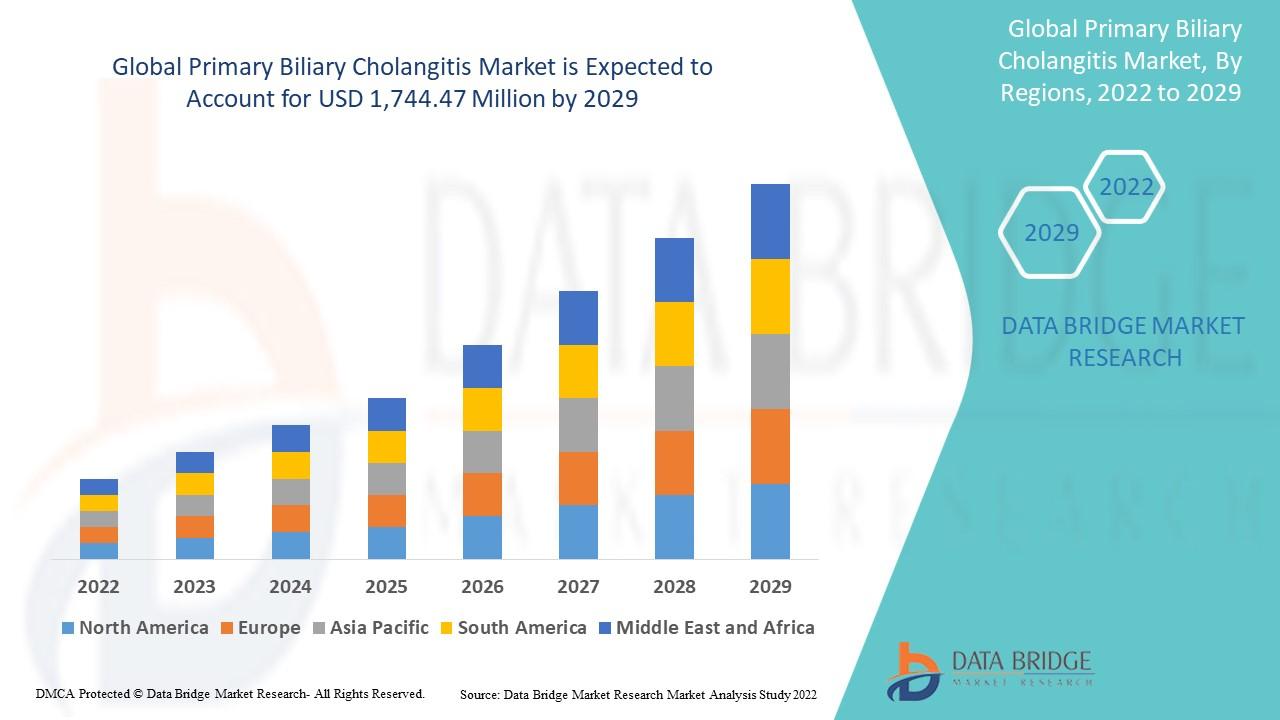
Executive Summary Primary Biliary Cholangitis Market: Share, Size & Strategic Insights CAGR Value Global Primary Biliary Cholangitis Market size was valued at USD 1.05 billion in 2024 and is projected to reach USD 2.35 billion by 2032, with a CAGR of 10.50% during the forecast period of 2025 to 2032. The Primary Biliary Cholangitis report provides CAGR values along with its...
The global industrial absorbent market is expected to witness steady expansion over the next decade, supported by increasing environmental regulations, rising industrial activities, and growing emphasis on workplace safety. The market is projected to grow from approximately USD 5.2 billion in 2026 to nearly USD 8.9 billion by 2036, registering a CAGR of around 5.4%,...
The rise of Gas Mask Bongs has brought a new level of curiosity and experimentation into the world of modern smoking accessories. Known for their bold design and immersive experience, these devices are often discussed in two main variations: the gas mask hookah bong and the regular smoking gas mask bong. At first glance, both may appear similar. However, the difference lies in how they are...