


What Is the Difference Between Love, Attachment, and Dependency?

Many people believe that missing someone after a breakup means they are still in love. While that may sometimes be true, it is not always the case. Emotions after a relationship ends are often influenced by attachment, emotional dependency, shared routines, and the future you imagined together. Understanding the difference between love, attachment, and dependency can help you recognize what you are truly experiencing instead of making decisions based on loneliness or fear. Once you gain emotional clarity, it becomes easier to heal and build a healthier future.
Why Do People Confuse Love, Attachment, and Dependency?
Relationships naturally create emotional bonds. Spending time together, sharing responsibilities, building routines, and creating memories all strengthen the connection between two people. When the relationship ends, losing those familiar experiences can feel overwhelming.
Many people assume that these emotions are proof they are still in love. However, that is not always true. Understanding the difference between love, attachment, and dependency helps you separate genuine love from emotional habits that formed during the relationship.
What Does Healthy Love Look Like?
Healthy love allows both people to feel emotionally safe while continuing to grow as individuals. It is based on mutual trust, respect, honesty, and support.
Love Encourages Personal Growth
In a healthy relationship, both partners maintain their own identity while supporting each other's goals and dreams.
Love Builds Emotional Security
Healthy love creates stability rather than fear. You feel accepted without constantly worrying about losing the relationship.
Love allows people to choose each other freely rather than staying together because they feel emotionally trapped.
What Is Attachment in a Relationship?
Relationship attachment develops naturally over time. Daily conversations, shared experiences, traditions, and emotional comfort all contribute to this bond.
Attachment is a normal part of every close relationship. After a breakup, you may continue missing familiar routines even if the relationship itself was unhealthy.
This is why understanding the difference between love, attachment, and dependency becomes so valuable. Missing someone's presence does not always mean the relationship should continue.
When Does Attachment Become Dependency?
Attachment becomes dependency when your emotional well-being depends almost entirely on another person.
Some common signs include:
Fear of Being Alone
The thought of living without your partner feels overwhelming.
Losing Your Identity
Your happiness becomes dependent on another person's approval or presence.
Constant Need for Reassurance
You rely on your partner to feel emotionally secure and struggle to make decisions independently.
Dependency often disguises itself as love, making it difficult to recognize unhealthy emotional patterns.
Love vs Attachment: Why the Difference Matters
Many people struggle with love vs attachment after a relationship ends because both emotions can feel equally powerful.
Love is based on trust, respect, and emotional safety.
Attachment is built through familiarity, routines, and shared experiences.
Although both are natural emotional experiences, confusing one for the other may delay healing and make it harder to move forward.
Learning the difference between love, attachment, and dependency helps you respond to your emotions with greater awareness instead of reacting impulsively.
Why Attachment Feels Strong After a Breakup
Experiencing attachment after breakup is completely normal. Your mind needs time to adjust after losing the routines and emotional familiarity that became part of everyday life.
You may find yourself missing:
Shared Daily Moments
Simple conversations, meals together, or daily check-ins become part of your routine.
Future Plans
Sometimes people grieve the future they imagined rather than the relationship itself.
Emotional Comfort
Even difficult relationships can feel familiar, making it challenging to let go.
These feelings gradually become easier to manage as you build new routines and focus on your own growth.
Why Emotional Clarity Leads to Better Decisions
Strong emotions often make important life decisions more difficult. Whether someone is considering reconciliation or facing divorce decision making, emotional clarity is essential.
When you understand the difference between love, attachment, and dependency, you become less likely to make choices based on fear, guilt, or loneliness.
Instead, you begin making decisions that support your long-term emotional well-being.
Healing Begins with Self Awareness
Healing after heartbreak is not about pretending your emotions no longer exist. It begins by accepting what you are feeling and exploring those emotions honestly.
Ask yourself questions like:
-
Am I missing the person or the routine?
-
Did I feel emotionally safe in this relationship?
-
What have I learned about myself?
-
What kind of relationship do I want in the future?
These questions encourage self-awareness instead of emotional confusion.
How Aparnaa Jadhav Helps People Find Emotional Clarity
Aparnaa Jadhav supports individuals rebuilding their lives after separation, divorce, and relationship challenges through practical coaching and educational resources. Through her Resilient Hearts series, she explains emotional experiences in a simple and relatable way, helping people understand the difference between love, attachment, and dependency without judgment.
Her guidance encourages emotional resilience, healthier relationship choices, and greater self-awareness so people can move forward with confidence instead of uncertainty.
Moving Forward Starts with Understanding Your Emotions
Recognizing the difference between love, attachment, and dependency can completely change the way you view your emotions after a breakup. Love encourages growth, attachment creates familiarity, and dependency often develops from fear of loss or loneliness. As you continue learning how to move on after a breakup, remember that emotional clarity is one of the strongest foundations for healing, healthier decisions, and stronger future relationships.
Categorias
Leia mais
UK players will probably find that online casinos in 2026 feel less like a quick log-in and more like a closely controlled service, with tighter checks, stricter payment handling and a bigger push toward safer play. If you want the plain-English version of that shift, Duelz has been following how those changes are reshaping the market, and the direction is already pretty clear: convenience and...

In today’s fast-paced business landscape, UK companies are constantly seeking ways to streamline operations, reduce costs, and stay compliant with HMRC regulations. One of the most effective solutions gaining traction is Payroll Outsourcing. By partnering with a professional provider like Corient, businesses can focus on growth while leaving complex payroll management to experts. This...

Running a business in Australia these days isn’t exactly a walk in the park. Between rising wages, staff shortages, and the day-to-day chaos, it can feel like you’re constantly putting out fires. That’s where Rental Workforce service providers step in - offering a smarter, more flexible way to get things done without blowing the budget. What is a Rental Workforce,...

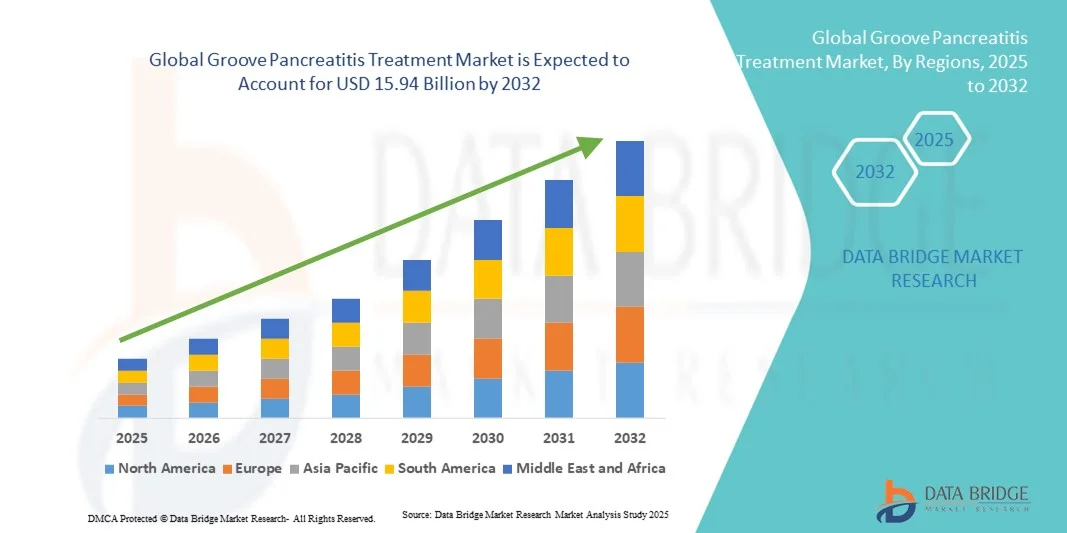
According to the latest report published by Data Bridge Market Research, the Groove Pancreatitis Treatment Market The global groove pancreatitis treatment market size was valued at USD 10.79 billion in 2024 and is expected to reach USD 15.94 billion by 2032, at a CAGR of 5.00% during the forecast period Getting thoughtful about competitive landscape is...
Bolagila Slot is ideal for participants who crave a pleasurable along with contemporary on line video games experience. Because the standard model, Bolagila specializes in supplying your user-friendly system where by participants can easily check out a large assortment of slot machine game video games using even performance along with appealing visuals. The site is much better both for...
