


Does a Destination Wedding Photographer Need Special Permits to Shoot at Certain Venues?

Documenting a celebration away from home involves capturing breathtaking portraits against iconic backdrops, including pristine national parks, historic landmarks, private coastal resorts, and public plazas. However, creating high-end imagery in these extraordinary locations often requires navigating complex regulatory requirements. Many public lands, protected historical sites, and luxury venues enforce strict commercial photography permit policies. Understanding why special permits are required, how to obtain them, and who is responsible for securing them ensures your portrait sessions proceed smoothly without unexpected legal interruptions.
Understanding Commercial Photography Permits and Regulations
A common misconception among couples is that hiring a professional visual artist gives them automatic freedom to photograph anywhere they choose. In reality, local governments, park services, and private property owners differentiate strictly between casual tourist snapshots and commercial photography. Because professional creatives use high-end equipment, off-camera lighting, and extended setups, authority figures classify their work as commercial activity. Obtaining official permits ensures compliance with local laws, protects fragile natural habitats, and grants reserved access to prime shooting locations.
National Parks Guidelines for a Destination Wedding Photographer
Public lands and protected national parks worldwide maintain strict regulations regarding commercial photography to preserve natural environments and manage visitor traffic. Sites such as coastal reserves, mountain passes, and historic monuments often require specific commercial use permits, location insurance, and advance scheduling. An experienced destination wedding photographer researches these requirements well in advance, submitting necessary applications to park authorities. Securing official permits guarantees that your scenic outdoor portrait session proceeds legally and without interruption from park rangers.
Private Venue Rules for a Destination Wedding Photographer
Exclusive resorts, historic châteaux, and private estates frequently enforce their own internal photography policies to protect guest privacy and maintain operational order. Some venues charge external media fees, restrict access to specific gardens, or require advance registration for all vendor staff. Your visual creative will coordinate directly with your venue manager to review property rules, sign media agreements, and confirm approved shooting areas. This proactive communication ensures complete respect for venue guidelines while maximizing opportunities for beautiful portraits.
Navigating Drone Regulations and Aerial Photography Laws
Incorporating aerial drone photography into your visual narrative adds dramatic, cinematic perspective to coastal cliffs, sweeping vineyards, and grand estate layouts. However, drone usage is heavily regulated by aviation authorities across global jurisdictions. Flying a drone commercially requires strict adherence to local airspace laws, pilot certifications, and flight permits. Understanding these legal boundaries prevents heavy fines, equipment confiscation, or safety hazards during your scheduled festivities.
Aviation Permits for a Destination Wedding Photographer
Operating a commercial drone legally requires a certified pilot license issued by the aviation governing body of the host country. Many nations prohibit foreign drone pilots from flying without local validation, while others enforce strict no-fly zones around airports, government buildings, and protected wildlife sanctuaries. A professional drone operator verifies local flight maps and secures required air traffic authorizations before launching. Adhering to aviation laws guarantees safe, legal, and breathtaking aerial coverage of your celebration landscape.
Environmental Restrictions on Drone Usage
Beyond aviation laws, environmental protection agencies often ban drones in specific wilderness areas during wildlife nesting seasons or high-risk weather conditions. Coastal cliffs, forestry reserves, and mountain peaks frequently enforce total drone bans to preserve local ecosystems and peaceful visitor experiences. A knowledgeable visual artist respects these environmental boundaries, offering alternative grounded visual techniques when drones are prohibited. This eco-conscious approach protects natural habitats while still capturing stunning, high-impact landscape imagery.
Liability Insurance and Professional Compliance
In addition to location-specific permits, almost every reputable venue and government authority requires proof of commercial general liability insurance before granting filming access. Liability insurance protects both the property owner and the client against accidental property damage or personal injury during a photo shoot. Working with a fully insured vendor demonstrates professional integrity and ensures seamless access to restricted areas that uncertified hobbyists cannot enter.
Certificate of Insurance for a Destination Wedding Photographer
When booking exclusive venues or historic landmarks, property managers typically ask for a Certificate of Insurance listing them as an additionally insured party. A professional artist maintains comprehensive liability coverage and can issue customized insurance certificates promptly upon request. Submitting these documents weeks before the event eliminates administrative friction during check-in. This professional compliance gives venue coordinators complete confidence in your vendor team, paving the way for a smooth, relaxed shooting experience.
Handling Permit Fees and Budgeting
Permit application fees and location access costs vary widely depending on the location, duration, and scale of the shoot. It is essential to discuss permit budgeting openly during your initial vendor consultations to clarify who covers these expenses. Typically, artists handle the administrative process of applying for permits, while the client covers the actual government or venue fees. Defining these terms clearly in your initial agreement prevents financial surprises and ensures all locations are fully secured.
Conclusion
Securing special permits, venue permissions, and aviation clearances is a vital aspect of executing a successful event away from home. Whether shooting in protected national parks, historic private estates, or scenic public plazas, working within legal guidelines protects your day from unexpected disruptions. An experienced visual specialist takes charge of researching regulations, submitting insurance certificates, and securing required approvals. Partnering with a law-abiding professional guarantees that your portraits are captured safely, legally, and effortlessly across every stunning backdrop.
Categorie
Leggi tutto
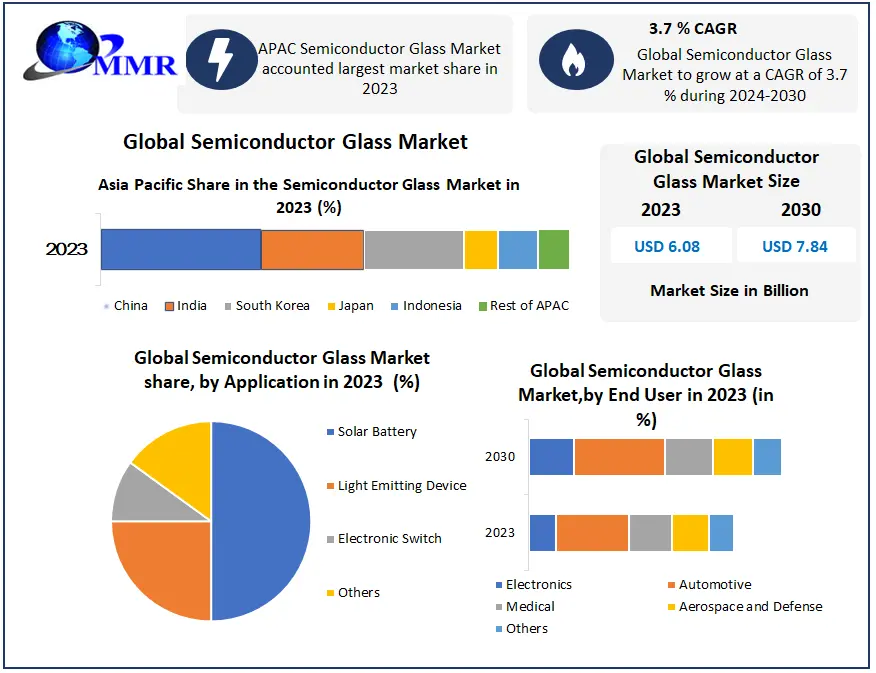
Global Semiconductor Glass Market Poised for Growth as Advanced Electronics and Semiconductor Manufacturing Expand Global Semiconductor Glass Market Overview The Global Semiconductor Glass Market is gaining importance as semiconductor manufacturing, consumer electronics, automotive electronics, displays, and advanced electronic components continue to evolve. According to Maximize...
Executive Summary North America Amaranth Oil Market Research: Share and Size Intelligence CAGR Value The North America amaranth oil market size was valued at USD 223.83 million in 2025 and is expected to reach USD 550.25 million by 2033, at a CAGR of 11.9% during the forecast period This North America Amaranth Oil Market research report is a painstaking investigation of current...

In digital advertising, launching a campaign is only the beginning. The real challenge lies in building campaigns that can grow consistently without losing performance or efficiency. Many businesses achieve short-term success with paid ads but struggle when they try to scale. Costs increase, conversions drop, and results become unpredictable. This is where a professional Google Ads...

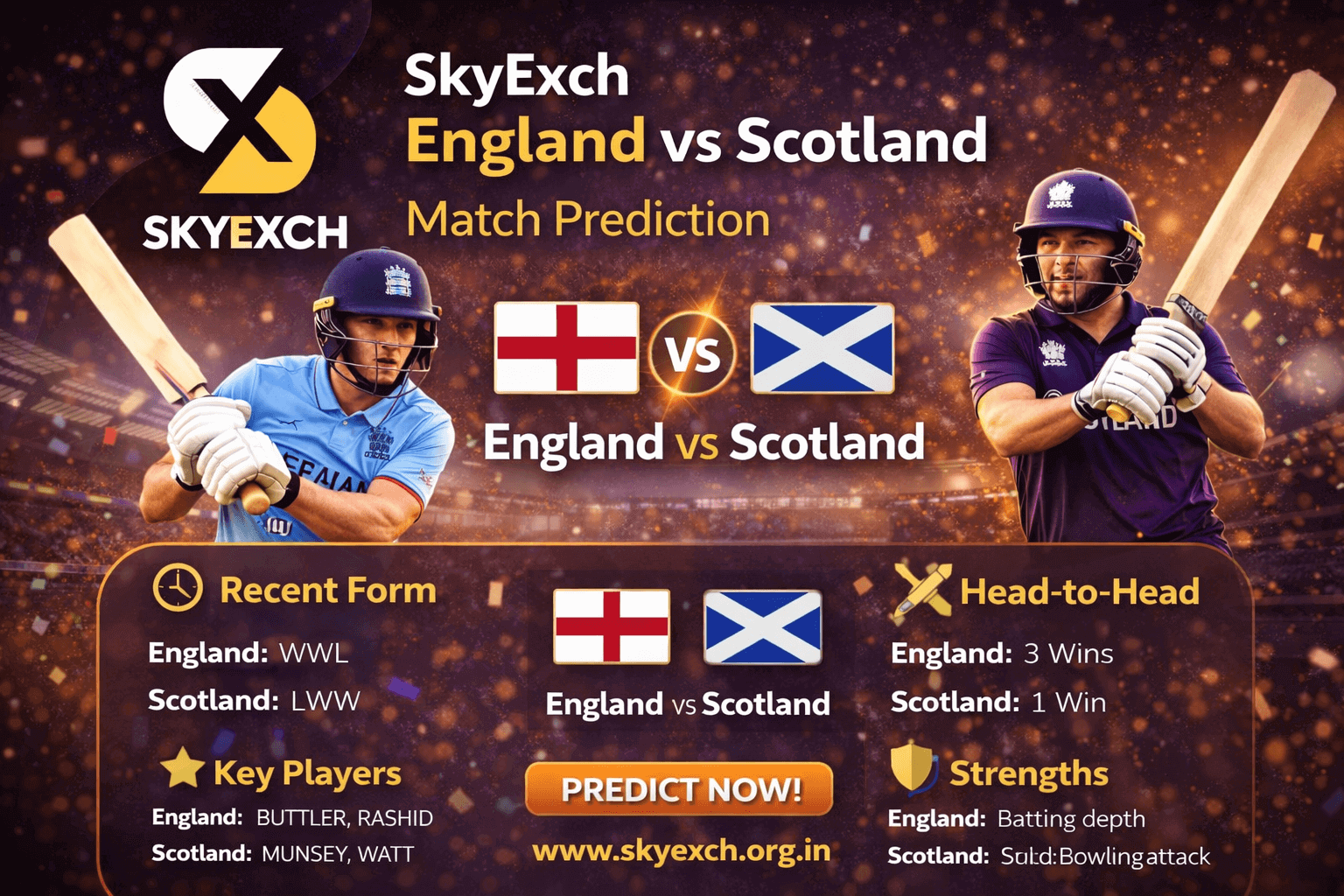
The clash between England and Scotland always brings strong interest among T20 fans. This encounter gains more attention due to its importance in the ICC T20 Fixtures. For fans who follow match previews through skyexch, this game offers a mix of experience, aggression, and tactical depth. Using platforms like skyexchange247 and skyexch play, users closely track form, conditions, and player...
"According to the latest report published by Data Bridge Market Research, the Packaging Automation Market The packaging automation market size was valued at USD 74.56 billion in 2024 and is projected to reach USD 128.10 billion by 2032, with a CAGR of 7.00% during the forecast period of 2025 to 2032. This client-centric, leading edge and truthful Packaging Automation Market...