Why Was My Citizenship Application Refused?

Becoming a Canadian citizen is a significant milestone. It provides the right to vote, obtain a Canadian passport, and participate fully in the country's civic life. However, not every application reaches a successful outcome. Understanding why an application was refused can help applicants identify concerns, prepare stronger documentation, and take appropriate legal steps.
Working with a Canadian Citizenship Lawyer can make the process clearer and reduce the risk of avoidable mistakes. Whether applying from Toronto, Mississauga, Brampton, Vaughan, Markham, Richmond Hill, Scarborough, North York, Etobicoke, Oakville, Burlington, Hamilton, Ottawa, or elsewhere in Canada, obtaining legal guidance is often beneficial for complex cases.
Understanding Citizenship Application Requirements
Canadian citizenship applications are assessed by Immigration, Refugees and Citizenship Canada (IRCC). Every applicant must satisfy the legal requirements set out in the Citizenship Act before citizenship can be granted.
Applicants are generally expected to:
- Meet the required physical presence in Canada.
- File income taxes when required.
- Demonstrate language proficiency if applicable.
- Successfully complete the citizenship knowledge test when required.
- Meet all eligibility conditions established by IRCC.
Canada welcomes hundreds of thousands of new permanent residents every year, and many later become eligible for citizenship after meeting the statutory requirements. Careful preparation is essential because every application is reviewed individually.
Common Reasons a Citizenship Application Was Refused
Several factors may affect the outcome of a citizenship application.
Physical Presence Requirements Were Not Met
One of the most common reasons involves insufficient physical presence in Canada. Applicants must accurately calculate the number of days spent in Canada during the qualifying period.
Travel records, passports, employment history, and supporting evidence should all be consistent.
A Canadian Citizenship Lawyer can review residency calculations before submission to identify potential issues.
Missing or Incomplete Documentation
Applications often require identity documents, travel records, tax information, language evidence, and supporting forms.
Incomplete documentation can prevent officers from verifying eligibility.
Carefully reviewing every document before submission helps create a stronger application.
Language Requirements
Applicants between the applicable age limits must demonstrate English or French language proficiency.
Acceptable evidence may include:
- Approved language test results
- Canadian educational credentials
- Government-recognized language documentation
Missing or insufficient language evidence may affect the application assessment.
Citizenship Test Concerns
Eligible applicants must successfully complete the citizenship knowledge examination.
The test evaluates knowledge of:
- Canadian history
- Government
- Geography
- Rights and responsibilities
- National symbols
Preparation using official study materials significantly improves readiness.
Inconsistent Information
IRCC carefully reviews the consistency of every application.
Differences between previous immigration applications, travel history, employment records, or personal information may require further examination.
Accuracy is essential throughout every stage of the immigration process.
Criminal or Legal Issues
Certain criminal matters or ongoing legal proceedings may affect citizenship eligibility.
Every situation is unique, making legal assessment important before submitting an application.
A qualified Canadian Citizenship Lawyer can evaluate whether legal circumstances may influence eligibility.
How Legal Guidance Can Help
Professional legal representation provides valuable support throughout the citizenship process.
A Canadian Citizenship Lawyer may assist by:
- Reviewing eligibility before applying
- Preparing supporting evidence
- Identifying documentation gaps
- Responding to procedural requests
- Representing applicants during hearings when required
- Advising on available legal options after a refusal
Early legal advice often helps applicants avoid preventable issues.
What Happens After a Refusal?
A refusal does not always mean the journey ends.
Depending on the circumstances, applicants may:
- Review the reasons provided by IRCC.
- Correct deficiencies where appropriate.
- Submit a stronger future application.
- Seek legal advice regarding available legal remedies.
- Request judicial review when permitted under Canadian law.
Every case depends on its individual facts, supporting evidence, and applicable legislation.
Why Accurate Documentation Matters
Well-organized documentation helps immigration officers verify eligibility efficiently.
Useful records may include:
- Passport copies
- Travel history
- Tax filings
- Employment records
- Language certificates
- Identity documents
- Permanent resident documents
Applicants should retain copies of every submission for future reference.
Citizenship and Previous Immigration History
Many citizenship applicants first came to Canada through permanent residence programs such as family sponsorship, provincial nominee programs, or economic immigration pathways.
Individuals who previously worked with an express entry lawyer toronto may already have well-organized immigration records that support later citizenship applications.
Similarly, applicants who recently completed PR Card Renewal Services should ensure their residency documentation remains accurate and consistent with their citizenship application.
Choosing the Right Legal Support
Selecting experienced legal representation can improve preparation and confidence throughout the process.
An experienced Canadian Citizenship Lawyer understands Canadian immigration legislation, procedural fairness, evidentiary requirements, and IRCC application standards.
Applicants across Toronto, Mississauga, Brampton, Vaughan, Markham, Richmond Hill, Scarborough, North York, Etobicoke, Pickering, Ajax, Whitby, Milton, Oakville, Burlington, Hamilton, and Ottawa often seek professional legal advice when facing complex citizenship matters.
If questions arise regarding eligibility or documentation, contact us to discuss available legal options before submitting an application.
Conclusion
A citizenship application requires careful planning, accurate documentation, and compliance with Canadian legal requirements. Understanding common reasons for refusal allows applicants to prepare stronger applications and avoid unnecessary complications. Working with a Canadian Citizenship Lawyer provides valuable legal guidance, personalized strategies, and professional support throughout every stage of the citizenship process.
Frequently Asked Questions
1. Why was my Canadian citizenship application refused?
Common reasons include insufficient physical presence, incomplete documentation, language concerns, inconsistent information, or eligibility issues under Canadian law.
2. Can I apply again after a citizenship refusal?
Yes. Many applicants may submit another application after addressing the concerns identified during the previous assessment.
3. Should I hire a Canadian Citizenship Lawyer?
A Canadian Citizenship Lawyer can review eligibility, strengthen documentation, and explain legal options for complex citizenship matters.
4. Does travel history affect citizenship?
Yes. Accurate travel records help demonstrate physical presence requirements and support eligibility calculations.
5. Can an immigration lawyer Toronto help with citizenship?
Yes. An immigration lawyer Toronto can review immigration history, assess eligibility, and provide legal guidance throughout the citizenship process.
Categorii
Citeste mai mult
How to Contact Expedia for Refund Support (2026 Complete Guide) Learn how to contact Expedia for refund support using phone, app, and online methods. Step-by-step guide to resolve refund issues quickly. Introduction If your refund is delayed, missing, or incorrect, knowing how to contact Expedia for refund support is essential. Refund issues are common with flights, hotels, and vacation...

Creating a secure betting account is the first and most important step for anyone who wants to access online sports wagering and casino gaming. Fairplay has become a preferred platform among Indian users because it offers a smooth, quick, and reliable registration system that allows players to obtain their Fairplay ID within minutes. Once registered, users can log in, explore sports...

A new growth forecast report titled Wound Gel Market Size, Share, Trends, & Industry Analysis Report By Gel Type (Amorphous Hydrogel, Impregnated Gauze, Hydrogel Sheets, and Others), By Wound Type, By End Use, and By Region – Market Forecast, 2025–2034 introduced by Polaris Market Research represents conclusive data on the overall market. It majorly targets to provide...
In the current digital age, the foundation of every thriving healthcare institution is its choice of technology. At Codatis, we specialize in reviewing and providing professional insights into clinical tools to help you streamline your operations. When it comes to Electronic Medical Records, two giants dominate the field: epic software and modmed emr. Choosing between a comprehensive enterprise...

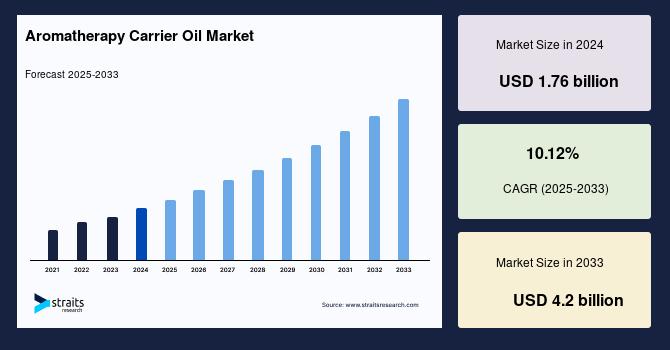
Aromatherapy Carrier Oil Industry Outlook: Straits Research has introduced a detailed analytical study on the Aromatherapy Carrier Oil Market, offering insights into market valuation, segmentation framework, and long-term growth trajectory. The publication delivers a structured overview of market drivers, constraints, technological advancements, and strategic developments shaping the...