Modafinil: Uses, Benefits, Safety, and Important Information
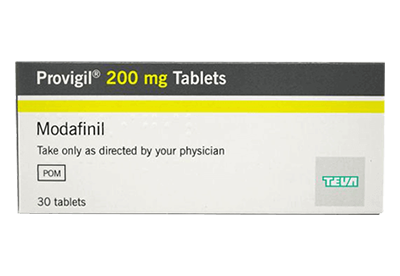
Modafinil is a prescription medication that promotes wakefulness and is prescribed for certain sleep-related disorders under the supervision of a qualified healthcare professional. It is commonly used to help improve alertness in people with specific medical conditions that cause excessive daytime sleepiness. Understanding how modafinil works, its medical uses, and its safety considerations can help patients make informed treatment decisions.
What Is Modafinil?
Modafinil is classified as a wakefulness-promoting medicine. Although its exact mechanism is not fully understood, it affects certain chemicals in the brain that regulate sleep and wakefulness. Unlike medicines intended to replace sleep, modafinil is used to support wakefulness in appropriate patients while addressing the underlying medical condition.
Healthcare professionals determine whether modafinil is suitable after reviewing an individual's symptoms, medical history, and any other medicines they are taking.
Common Medical Uses
Modafinil tablets may be prescribed for conditions such as:
-
Narcolepsy
-
Obstructive sleep apnea–related excessive daytime sleepiness (alongside appropriate treatment)
-
Shift work sleep disorder
The medicine is prescribed only after a healthcare professional has evaluated the cause of excessive sleepiness and determined that modafinil is an appropriate treatment option.
Possible Side Effects
Like all prescription medicines, modafinil may cause side effects. Commonly reported side effects include:
-
Headache
-
Nausea
-
Dry mouth
-
Dizziness
-
Difficulty sleeping (insomnia)
-
Nervousness
Many side effects are mild and temporary, but persistent or severe symptoms should be discussed with a healthcare professional promptly.
Important Safety Information
Before taking modafinil, inform your healthcare professional if you have:
-
Heart disease
-
High blood pressure
-
Liver disease
-
Kidney disease
-
Mental health conditions
-
Pregnancy or breastfeeding
Modafinil may interact with certain prescription medicines, including hormonal contraceptives and other medications. Patients should always provide a complete list of medicines and supplements to their healthcare provider before starting treatment.
Supporting Healthy Sleep Habits
While modafinil may help improve wakefulness for appropriate patients, maintaining healthy sleep habits remains important. Following a regular sleep schedule, creating a comfortable sleep environment, limiting caffeine late in the day, and addressing underlying sleep disorders can contribute to better long-term health.
Patients should continue any additional treatments recommended for their condition, such as therapies for obstructive sleep apnea, rather than relying on medication alone.
Conclusion
Modafinil is a prescription medicine used to promote wakefulness in certain sleep-related disorders under appropriate medical supervision. Understanding its medical uses, possible side effects, and safety considerations helps patients make informed healthcare decisions. Anyone experiencing persistent daytime sleepiness should consult a qualified healthcare professional for an accurate diagnosis and a personalized treatment plan.
Categorías
Read More
A new growth forecast report titled Esoteric Testing Market Size, Share, Trends, Industry Analysis Report By Type (Oncology Testing, Infectious Disease Testing, Genetic Testing), By Technology, By End Use, By Region – Market Forecast, 2025–2034 introduced by Polaris Market Research represents conclusive data on the overall market. It majorly targets to provide a detailed analysis of...

The latest business intelligence report released by Polaris Market Research on CV Depot Charging Market Share, Size, Trends, Industry Analysis Report, By Charger Type (DC Chargers, AC Chargers); By Vehicle Type; By Region; Segment Forecast, 2024- 2032. It covers the in-depth knowledge of the CV Depot Charging Market Share that includes opportunities, growth factors, and...
In today’s fast-paced lifestyle, people are increasingly drawn to products that offer comfort, authenticity, and purpose.Candles, handmade candles, candle holders, coconut oil soap, and charity candles represent more than everyday items—they reflect mindful living, traditional craftsmanship, and social responsibility. These products add warmth to homes while supporting ethical...

You can get effective, evidence-based anxiety therapy online that fits your schedule and needs, often with options for live video sessions, messaging support, and cognitive-behavioral techniques. Online counseling can help you reduce symptoms, learn coping skills, and access licensed therapists from wherever you are.
Businesses looking for reliable ED medicine sourcing often compare the kamagra chewable tablets price before placing bulk orders. The kamagra chewable tablets price kind of tends to change, depending on the order amount, the supplier network, and whatever export requirements show up. Knowing the kamagra chewable tablets price properly allows UK pharma buyers to decide what to buy without...