How Does Amazon FBA Wholesale Compare With Traditional Wholesale?
Wholesale has been around for a long time, but the way businesses sell wholesale products has changed dramatically. A traditional wholesaler might sell products directly to retailers, manage a warehouse, arrange deliveries, and maintain relationships with a relatively small group of buyers. Today, a seller can purchase products from suppliers and reach millions of potential customers through Amazon.
That difference is what makes Amazon FBA Wholesale interesting.
But is it actually better than traditional wholesale? Not necessarily. The right choice depends on how much control you want, how comfortable you are with Amazon's fees and rules, and how you plan to manage inventory. Let's break down the differences without making either model sound like a magic money machine.
Understanding Amazon Wholesale and Traditional Wholesale
Amazon Wholesale involves purchasing established products from manufacturers, distributors, or legitimate suppliers and reselling them through Amazon. The seller isn't usually creating the product. Instead, the focus is on sourcing, pricing, inventory, and selling efficiently.
Traditional wholesale works on a similar purchasing principle, but the sales channel is different. A wholesaler may sell directly to retailers, local businesses, independent stores, or other companies.
The major difference is reach. When you sell through Amazon, you're accessing a massive online marketplace rather than relying entirely on your own network of business buyers.
Of course, greater reach also means greater competition.
What Makes Amazon FBA Wholesale Different?
Amazon FBA Wholesale uses Fulfillment by Amazon to handle much of the physical fulfillment process. After purchasing inventory, the seller sends products to Amazon's fulfillment network. Amazon can then store the products, pick and pack orders, ship them to customers, and handle certain customer service and returns processes.
Traditional wholesale usually gives the seller more direct responsibility for fulfillment. You may need your own warehouse, employees, packaging systems, shipping arrangements, or third-party logistics provider.
This is one of the biggest practical differences.
With FBA, you give up some operational control in exchange for convenience and access to Amazon's fulfillment infrastructure. That trade-off can make sense for some sellers, while others prefer controlling the entire process themselves.
Comparing Inventory Management
Inventory is important in both models, but the challenges aren't identical.
A traditional wholesaler might manage stock in a warehouse and ship products directly to business customers. An Amazon seller using FBA has to think about Amazon inventory levels, replenishment times, sales velocity, storage fees, and stranded or slow-moving inventory.
For an inventory ecommerce store, accurate stock information becomes particularly important as the catalog grows. Running out of a popular product can mean lost sales, while over-ordering can leave too much money tied up in unsold products.
I've found that inventory isn't the glamorous part of ecommerce, but it's often where businesses quietly make or lose money.
How Ecommerce Wholesale Fits Into Both Models
Ecommerce Wholesale simply refers to wholesale activity conducted through online channels. Amazon is one example, but it isn't the only possible channel.
A business could sell wholesale products through its own ecommerce website, an online marketplace, or a combination of platforms. The advantage is that digital systems can make product management, order processing, customer communication, and reporting easier to organize.
Amazon adds another layer because sellers have to work within Amazon's marketplace policies, fee structure, listing environment, and competitive landscape.
So while ecommerce wholesale can offer flexibility, each sales channel comes with its own rules.
What Does It Mean to Sell on Amazon?
To sell on Amazon successfully, you need to think beyond simply listing products. Product demand, competition, pricing, supplier reliability, fees, account health, and inventory all matter.
One common mistake is looking only at the selling price. Imagine buying a product for $20 and selling it for $35. At first glance, that looks profitable. But after marketplace fees, shipping, storage, returns, and other costs, the actual margin could be much smaller.
That's why sellers who want to sell on Amazon need to understand their numbers before placing large wholesale orders.
Where Amazon Automation Can Help
Amazon Automation refers to using software, systems, or managed processes to reduce repetitive tasks involved in operating an Amazon business.
Automation may help monitor inventory, organize product information, track pricing, generate reports, or identify products that need attention. For a small catalog, manual management might be perfectly manageable. Once hundreds of products enter the picture, things become different.
The goal isn't to remove human involvement. It's to reduce unnecessary manual work so sellers can focus on decisions that actually require judgment.
Understanding an Amazon FBA Automation Service
An amazon fba automation service may assist with various parts of an FBA operation, depending on the provider. This could include product research, inventory monitoring, supplier coordination, listing support, pricing, and performance reporting.
For someone comparing Amazon FBA Wholesale with traditional wholesale, this can be an important consideration. Technology and managed services can make the Amazon model easier to operate, but they don't remove the responsibility of understanding the business.
A seller should still know where products come from, what they're paying, what they're earning, and why particular products are being selected.
Choosing the Best Amazon Automation Service
The Best amazon automation service isn't necessarily the provider promising the fastest growth. In fact, I'd be cautious of anyone guaranteeing easy profits.
Look for clear communication, transparent pricing, realistic expectations, knowledgeable staff, and a process that respects Amazon's policies. You should also understand what the service actually manages and what remains your responsibility.
A good automation setup should give you better visibility into your business, not make the business feel like a black box.
Which Wholesale Model Is Right for You?
Amazon FBA Wholesale can be attractive if you want access to a large marketplace while outsourcing much of the physical fulfillment. Traditional wholesale may be preferable if you value direct relationships, greater operational control, or established business-to-business sales channels.
Neither model is automatically superior.
Your decision should come down to your resources, experience, preferred level of control, product type, margins, and long-term goals. And if you choose Amazon, building sensible systems early can prevent a lot of headaches later.
For Flexifyz, that's where Amazon Automation fits into the bigger picture: not as a shortcut, but as a practical way to make a growing wholesale operation more manageable.
FAQs
Is Amazon FBA Wholesale more profitable than traditional wholesale?
Not automatically. Profitability depends on product margins, purchasing costs, Amazon fees, competition, storage expenses, shipping, and sales volume. Traditional wholesale has its own costs and advantages.
Does Amazon FBA handle all wholesale responsibilities?
No. Amazon can handle fulfillment-related tasks through FBA, but the seller remains responsible for sourcing products, managing inventory, understanding finances, maintaining account health, and following marketplace policies.
Is Amazon Automation necessary for an FBA wholesale business?
It's not always necessary, especially for a small operation. However, automation can become increasingly useful as product volume, orders, and inventory management become more complex.
Категории
Больше
Allergan Botox in Dubai have become one of the most popular non-surgical aesthetic procedures for people looking to achieve smoother, younger-looking skin. In a city like Dubai, where advanced skincare and cosmetic enhancements are widely embraced, dermatology Botox treatments Dubai are in high demand among both residents and visitors. This guide will help you understand what makes Botox so...

Banaras, also known as Varanasi, is celebrated across the world for its extraordinary weaving traditions and luxurious silk sarees. The city’s rich textile heritage has been preserved for centuries by skilled artisans who continue to create masterpieces with unmatched craftsmanship. From premium Banarasi sarees to vintage heirloom collections, every weave carries the essence of culture,...

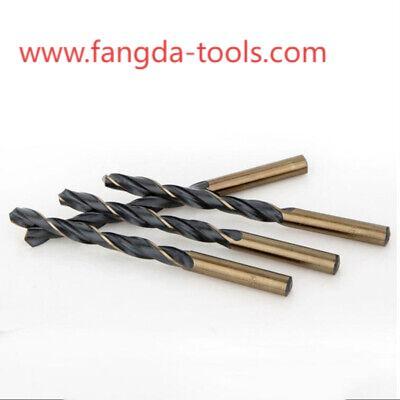
In modern manufacturing and construction, the HSS Twist Drill Bit from Fangda is recognized as a versatile and dependable solution for professionals and industries demanding consistent drilling performance. Designed with advanced metallurgy and cutting-edge engineering, it represents durability and precision across a wide range of applications. The demand for efficient drilling tools has grown...
Analisis Statistik stands out because it answers a basic question many football readers have: what evidence should actually be trusted? In a sport shaped by emotion, debate, and fast-moving opinion, statistics offer a more stable reference point. This makes Analisis Statistik especially relevant for readers who want football discussion to rest on something more solid than instinct alone. One of...

The demand for cloud technology is growing rapidly, making BCA Cloud Computing one of the most valuable undergraduate programs for students interested in IT and digital transformation. This program focuses on cloud platforms, data management, and scalable computing solutions, preparing students for high-demand careers in the tech industry. Institutions and platforms like MH Cognition are...