


GraphQL vs REST in Practice: Making the Right API Choice for Your Web Project

Choosing the right API architecture feels like setting the direction for your entire project. A few years ago, the tech world was convinced that GraphQL would completely erase REST from the internet. Today, the hype has settled, and engineering teams have gotten a reality check: REST isn't legacy, and GraphQL isn't a cure-all.
If you're launching a new web project, chances are you're weighing GraphQL against REST right now. This is the core of the GraphQL vs REST debate, and it isn't about finding a "better" technology. It's about accelerating your development velocity, protecting your database, and scaling your business without friction. Get the architecture wrong, and you'll slow your engineering team down while your infrastructure costs quietly climb.
This guide compares GraphQL and REST, weighs their real-world strengths and limitations, and helps you determine which approach best fits your next web project.
GraphQL and REST in Modern API development
Modern API development isn't a one-size-fits-all approach. The API you choose determines how efficiently data moves between systems, and every website, mobile app, and digital product has different data needs. That's exactly why choosing the right API architecture matters so much.
REST, short for Representational State Transfer, has been the industry standard for years. It organizes resources through multiple endpoints and relies on familiar HTTP methods like GET, POST, PUT, and DELETE. Its simplicity, mature tooling, and widespread adoption make it a reliable choice for many projects.
GraphQL takes a different approach entirely. Instead of spreading data across multiple endpoints, it provides a single endpoint where clients request exactly the data they need, no more and no less. This gives frontend teams far greater flexibility and cuts down on unnecessary data transfers.
The key thing to remember is that there's no universal best choice. Successful API Development comes down to selecting the architecture that aligns with your application's complexity, scalability requirements, and development workflow.
Key Differences Between GraphQL and REST
Both GraphQL and REST help applications exchange data, but they go about it in very different ways. Solid API design strategies for modern web applications start with knowing exactly where these two diverge. Here are the key differences between them:
Data Fetching
REST often returns more data than you actually asked for. In some cases, you may also have to make multiple API requests to collect all the required information. GraphQL solves this by returning only the data clients specifically request. Thus it cuts down unnecessary data transfer and improves overall efficiency.
Caching
REST supports HTTP caching by default, so browsers and CDNs can store frequently requested data and serve it faster. GraphQL can be cached too. But since every request flows through a single endpoint, it typically needs additional tools and a more customized setup.
Performance at Scale
REST performs well for applications with simple, predictable data needs. GraphQL, on the other hand, can boost performance for applications pulling data from multiple resources by reducing the number of API calls. That said, poorly designed GraphQL queries can grow complex and drag performance down.
Versioning
REST typically handles changes by creating a new version while keeping the older one intact. GraphQL takes a different route. It evolves a single schema over time instead of maintaining multiple versions. This lets the API grow without breaking existing clients.
Tooling and Ecosystem Maturity
REST has been around for years. So, it has a large ecosystem of tools, libraries, and documentation. GraphQL's ecosystem has grown rapidly too, though some tasks still call for extra tools or configuration.
GraphQL vs REST: A Practical Walkthrough
Let’s keep the theory aside. Here's how each approach plays out across real project scenarios.
|
Real-World Scenario |
Better Fit |
Why |
|
E-commerce product page |
GraphQL |
One query, nested data |
|
Public web API for partners |
REST |
Predictable, well-documented |
|
Content-heavy marketing site |
REST |
Native HTTP caching |
|
Web dashboard with varied widgets |
GraphQL |
Each widget fetches its own shape |
|
SEO-driven blog or news site |
REST |
Simple, cache-friendly delivery |
|
Internal admin panel |
REST |
Faster to build, less overhead |
The Right API Choice for Your Web Project
The choice between GraphQL and REST comes down to what you're building, how your application uses data, and your long-term business goals.
Choose GraphQL If
-
Your application needs flexible, precise data retrieval
-
You want to minimize API requests between client and server
-
You expect your API to evolve frequently without breaking existing clients
-
Your team has the time and expertise to implement and maintain GraphQL
Choose REST If
-
Your application has simple, predictable data requirements
-
Fast caching and performance optimization matter to you
-
You want an API that's easy to build, maintain, and scale
-
You prefer a mature architecture backed by strong community support
Can You Use Both?
Yes, many teams run both side by side. Some common hybrid patterns include:
-
GraphQL as a gateway in front of existing REST services
-
REST for external partners, GraphQL for internal use
-
REST for CRUD operations, GraphQL for complex dashboard views
-
Gradual migration, with new features built in GraphQL while legacy REST stays untouched
A hybrid setup is often just smart API integration best practices in action. The key is being intentional about where each one lives, not letting the split happen by accident.
If you're evaluating the right API strategy for your next project, working with an experienced web development partner like Unified Infotech can help you design an architecture that supports both your current needs and future growth.
Final Note
The debate around GraphQL vs REST will continue, but there's no single right answer. The best choice depends on your project's needs, not the latest trend. Get the API architecture right from the start, and you'll find it far easier to build an application that performs well, scales smoothly, and stays easy to maintain down the line.
Nach Verein filtern
Read More
Making PeopleCert P3OF Exam Study Simple and Stress-Free Preparing for the PeopleCert P3OF exam does not have to feel stressful or confusing. Many students struggle because they study too much without a clear plan. They read many resources but still feel unsure about what really matters for the exam. Choosing clear and trusted PeopleCert P3OF study material makes preparation simple, focused,...

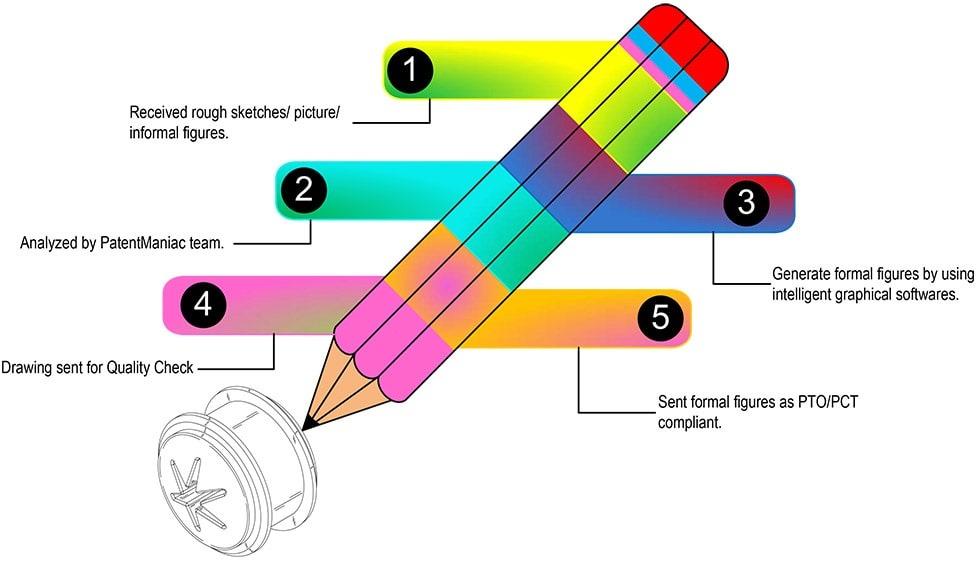
In the fiercely competitive world of innovation, timing is everything. A single delay, overlooked detail, or poorly presented patent drawing can mean the difference between securing valuable intellectual property and watching opportunities slip away. That's why professional patent illustration services have become an indispensable asset for inventors, startups, entrepreneurs, and...
"Laboratory Sterilizer Market Summary: According to the latest report published by Data Bridge Market Research, the Laboratory Sterilizer Market The global laboratory sterilizer market size was valued at USD 1.40 billion in 2025 and is expected to reach USD 2.68 billion by 2033, at a CAGR of 8.38% during the forecast period The reliable Laboratory Sterilizer Market report is generated...

Introduction The world of online cricket entertainment has changed rapidly in recent years. Cricket fans are no longer satisfied with simply watching matches on television. Today’s audience wants real-time updates, interactive features, smooth mobile access, and a complete digital cricket experience. This is where Lotus 999A is creating a strong impact in the online cricket industry. From...

According to WiseGuy Reports, the Metalaxyl Market was estimated at USD 656.6 million in 2024 and increased to USD 693.4 million in 2025. The market is expected to reach USD 1,200 million by 2035 while expanding at a CAGR of 5.6%. Rising demand for crop protection, increasing agricultural production, the need to address plant diseases, formulation advancements, and expanding farming activities...