


Things Every First-Time Buyer Should Know About Flat Weave Rugs

Flat weave rugs are tightly woven floor coverings with no pile, making them durable, easy to clean, and adaptable to most home styles. First-time buyers should focus on material quality, accurate sizing, and sourcing from verified makers—especially when buying handmade rugs in India—to get lasting value for their money.
If you've been searching for the right rug but feel overwhelmed by the options, you're not alone. Flat weave rugs are a practical and stylish choice, yet many first-time buyers overlook them in favor of plush pile rugs—often because they don't fully understand what flat weave construction offers.
This guide covers everything you need to know before you buy rugs: what flat weave means, how to assess quality, what to budget, and how to avoid the most common buying mistakes.
What Makes Flat Weave Rugs Different From Pile Rugs?
A flat weave rug has no pile—meaning there's no raised surface of loops or cut fibers. Instead, the warp and weft threads are woven tightly together, creating a flat, firm surface on both sides.
Pile rugs (like shaggy or hand-knotted varieties) trap dust, shed fibers, and can be difficult to clean. Flat weave rugs don't have these issues. They stay thinner, lighter, and far easier to maintain.
Key construction differences:
-
Pile rugs: Have loops or cut fibers knotted or tufted onto a base
-
Flat weave rugs: Have interlocked warp and weft threads with no added pile
This structural difference is why flat weave rugs perform better in high-traffic areas like hallways, dining rooms, and children's rooms.
How Long Do Flat Weave Rugs Actually Last?
Flat weave rugs are built to last. Because they have no pile to wear down, they hold their shape and appearance for much longer than pile alternatives under regular foot traffic.
Wool flat weave rugs are especially resilient. Wool fibers naturally resist staining, retain color well, and bounce back from compression. A well-maintained wool flat weave rug can last 20 years or more.
Tips to extend the lifespan of your rug:
-
Rotate it every 6–12 months to distribute wear evenly
-
Use a non-slip rug pad underneath to prevent sliding and reduce friction
-
Vacuum regularly using low suction—avoid beater bars
-
Address spills immediately by blotting (never rubbing)
Style and Design Options: What Range Can You Expect?
One common misconception is that flat weave rugs look plain. They don't.
Flat weave construction actually supports highly detailed geometric patterns, bold stripes, and intricate medallion designs. Because the pattern is woven directly into the structure, colors tend to be crisp and long-lasting—not printed or dyed on top.
Popular styles include:
-
Geometric patterns: Clean lines and angular shapes that work well in modern and Scandinavian-style interiors
-
Kilim motifs: Originating from Central Asia and South Asia, these bold, symbolic designs suit both casual and curated spaces
-
Solid or tonal weaves: Subtle color variations created through yarn selection rather than pattern—ideal for minimalist spaces
When selecting a design, think about your existing furniture and wall tones. Neutral flat weave rugs (ivory, beige, grey) give you flexibility, while patterned options can anchor a room and create a focal point.
How to Assess Quality When You Buy Rugs
Not all flat weave rugs are made equally. Quality varies significantly based on material, weave density, and how the rug was made.
What materials should you look for in flat weave rugs?
-
Wool: Durable, naturally stain-resistant, soft underfoot, and holds dye well. Best for long-term value.
-
Cotton: Lightweight and easy to wash, but less durable than wool. Good for low-traffic areas.
-
Silk blends: Adds sheen and fine detail, but requires more careful maintenance. Best used in low-traffic or decorative settings.
What craftsmanship indicators matter when buying handmade rugs in India?
India—particularly the Bhadohi region in Uttar Pradesh—is one of the world's most respected sources for handmade rugs. When sourcing handmade rugs in India, look for:
-
Consistent weave density: Hold the rug up to light. Uneven gaps indicate inconsistent craftsmanship.
-
Clean, straight edges: Wavy or uneven borders are signs of poor finishing.
-
Even back pattern: In quality flat weave rugs, the reverse should closely mirror the front.
-
Natural dyes or colorfast synthetics: Check that colors don't bleed when a damp cloth is pressed against the surface.
Brands like The Ambiente, based in Bhadohi and backed by over 30 years of manufacturing experience through its parent company Bhadohi Carpets, work directly with a network of skilled artisans—4,000 of whom are women weavers. This kind of integrated supply chain typically produces more consistent quality than mass-produced alternatives.
How Much Do Flat Weave Rugs Cost?
Price ranges vary based on size, material, and origin. Here's a general breakdown:
|
Quality Tier |
Material |
Approximate Price (5x8 ft) |
|
Entry-level |
Cotton or synthetic blend |
₹3,000–₹7,000 |
|
Mid-range |
Wool or wool-cotton blend |
₹8,000–₹20,000 |
|
Premium |
Pure wool or silk blend, handmade |
₹20,000–₹60,000+ |
A higher upfront cost for a handmade wool rug often works out cheaper over time. A ₹5,000 machine-made rug that lasts 3–4 years costs more in the long run than a ₹18,000 handmade piece that lasts 15–20 years.
Flat Weave Rug Maintenance: Simple Steps, Big Results
Maintaining a flat weave rug is straightforward—but a few habits make a real difference.
Do this regularly:
-
Vacuum both sides every 1–2 weeks
-
Shake smaller rugs outdoors monthly to release embedded dust
-
Spot clean with mild soap and cold water
Avoid these mistakes:
-
Soaking the rug fully—this can warp the fibers and backing
-
Using harsh chemical cleaners that strip natural dyes
-
Storing in damp or unventilated spaces, which encourages mildew
For deep cleaning, professional rug washing once every 2–3 years is sufficient for most households.
Where to Buy Flat Weave Rugs and What to Look For
How do you find a reliable source for flat weave rugs?
Buying from a reputable seller—whether in-store or online—matters more than most buyers realize. Look for:
-
Transparent sourcing: Does the seller explain where and how the rug was made?
-
Clear material descriptions: Vague labels like "natural fiber" aren't enough. You want to know exactly what you're getting.
-
Return and exchange policies: Quality sellers stand behind their products.
-
Customer reviews and photos: Real photos from buyers show how the rug looks in an actual home.
The Ambiente operates a flagship showroom in Sultanpur, New Delhi, and ships ready-to-order rugs across India and internationally. Founded by Avani Khandelwal—who holds an MBA from MDI Gurgaon—the brand was built specifically to make authentic handmade rugs in India accessible to a wider audience, without compromising on craft.
Common Mistakes First-Time Buyers Make
Sizing errors
This is the most frequent mistake. Buyers often choose rugs that are too small for their space, which makes the room feel disjointed. A good rule of thumb: in a seating area, the rug should be large enough that the front legs of all major furniture pieces sit on it.
Standard sizing guidance:
-
Living room (sofa area): 8x10 ft or larger
-
Dining room: The rug should extend at least 60cm beyond each side of the table
-
Bedroom: 9x12 ft under a king bed, with at least 45–60cm of rug visible on either side
Choosing the wrong material for your space
Cotton flat weave rugs perform well in bedrooms but wear down quickly in hallways or under dining chairs. Match material to traffic level—wool for high-use areas, cotton or silk blends for decorative or low-traffic spaces.
Ignoring rug pads
A flat weave rug without a rug pad will slide on hard floors, which is both a safety issue and a wear issue. A quality non-slip pad also adds a slight cushion and protects both the rug and your floor.
Making a Confident Purchase Decision
Buying a flat weave rug doesn't have to be complicated. Stick to these principles: choose the right size, prioritize material quality over pattern trends, and buy from sellers who are transparent about their sourcing and craftsmanship.
If you're looking for handmade rugs in India that combine genuine artisan quality with a range of modern designs, The Ambiente is a strong starting point. With direct roots in Bhadohi's weaving community and a curated collection built for Indian homes, it offers something mass-market retailers simply can't match.
Measure your space, set a realistic budget, and take your time. The right flat weave rug will still look good in your home a decade from now.
Frequently Asked Questions About Flat Weave Rugs
What is a flat weave rug, and how does it differ from a pile rug?
A flat weave rug is constructed by tightly interlocking warp and weft threads with no knotted or looped pile on top. Pile rugs have a raised fiber surface that feels softer but traps more dirt and wears down faster. Flat weave rugs are thinner, lighter, and easier to clean.
Are flat weave rugs suitable for high-traffic areas?
Yes. Flat weave rugs are well-suited to high-traffic areas like hallways, dining rooms, and entryways because they have no pile to compress or wear down. Wool flat weave rugs perform especially well in these spaces.
What size flat weave rug should I buy for my living room?
For a standard living room seating area, an 8x10 ft rug is the minimum recommended size. The front legs of your sofa and chairs should rest on the rug to visually anchor the space.
How do I clean a flat weave rug at home?
Vacuum both sides regularly using low suction. Blot spills immediately with a clean cloth and cold water. For spot cleaning, use mild soap diluted in cold water. Avoid soaking the rug or using harsh chemicals.
What should I look for when buying handmade rugs in India?
Focus on consistent weave density, clean edges, colorfast dyes, and clear material labeling. Reputable sellers—particularly those sourced from established weaving regions like Bhadohi—will provide details about materials, artisan processes, and product care.
Is it worth spending more on a handmade flat weave rug?
Generally, yes. A quality handmade wool flat weave rug can last 15–20 years with proper care, while lower-cost machine-made alternatives typically last 3–5 years. Over time, the higher upfront investment delivers better value per year of use.
الأقسام
إقرأ المزيد
Calcium montmorillonite Market does not enter industry as a glamorous mineral. It enters through rail sidings, bulk bags, mine stockyards, pelletizing drums, blending silos, feed premix units, litter granulation lines, drilling mud tanks, and civil-engineering trenches. Its value is not built on one application. It is built on repetition: 1 tonne mined, 8–12 tonnes handled through...

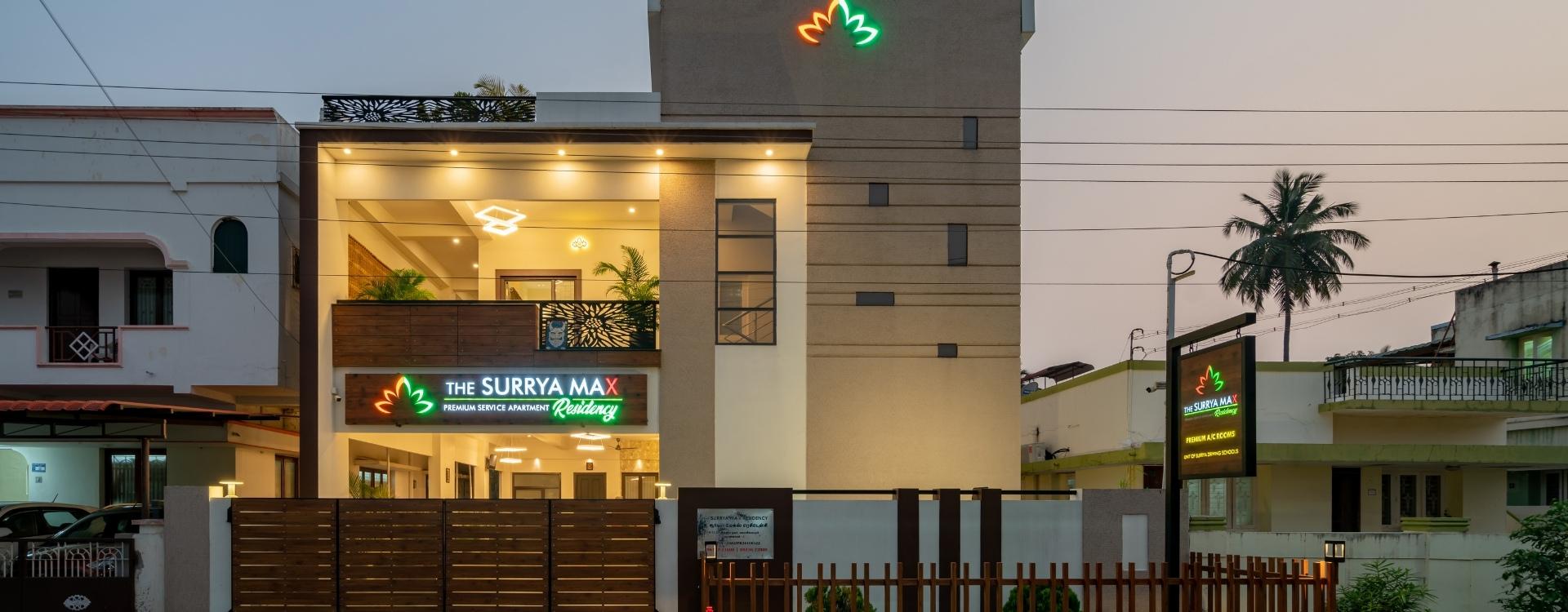
Comfortable Lodge in Pollachi for Solo and Family Travelers When planning a trip to Pollachi, finding the right place to stay plays an important role in making the journey comfortable and memorable. Whether you are visiting for business, leisure, family vacations, or a quick weekend getaway, choosing a reliable and peaceful stay ensures a stress-free travel experience. For travelers searching...
The online gaming industry continues to attract millions of users worldwide. Modern platforms now offer much more than simple entertainment. Users expect fast access, mobile compatibility, live sports coverage, and an organized experience that supports their interests. For sports fans who follow cricket tournaments such as the IPL, having a reliable platform can enhance the overall experience....

Top E-commerce Companies in Japan Offering Trusted Services The retail landscape in Japan has undergone a remarkable transformation, evolving into a sophisticated digital-first economy defined by precision and consumer trust. As of 2026, the Top E-commerce Companies in Japan have emerged as the primary architects of this growth, creating seamless ecosystems that integrate shopping, finance, and...

The automotive industry is currently undergoing its most significant transformation since the invention of the assembly line. As the world shifts toward electrification and autonomous driving, the materials used to build vehicles are being reimagined for efficiency, safety, and silence. At the core of this material revolution are elastomers specialized polymers that offer the flexibility...