The "Zero Coding" Myth: The Exact Technical Boundaries of a Modern Entry-Level Business Analyst

If you have spent any time browsing career advice on LinkedIn, YouTube, or job forums in India, you have almost certainly come across this popular pitch:
"Want to enter the high-paying IT industry without writing a single line of code? Become a Business Analyst!"
It sounds like the dream career pathway, especially for fresh graduates from non-CS backgrounds, BBA/B.Com students, or working professionals wanting to escape non-technical roles. You get to work with top MNCs in Gurgaon, Noida, or Bengaluru, liaise with C-suite stakeholders, and command a solid starting salary—all supposedly without ever touching technical script or code.
Here is the blunt truth: The "Zero Coding" Business Analyst is a dangerous myth.
While it is true that a Business Analyst (BA) does not build complex software architectures, code full-stack mobile applications, or manage cloud infrastructure like a DevOps engineer, modern companies do not hire BAs who only know how to make PowerPoint slides and write meeting minutes.
So, where does the technical boundary actually lie? How much "coding" or technical proficiency do you actually need as an entry-level Business Analyst in India today? Let us break down the exact technical expectations.
The BA Spectrum: Where Do You Sit?
To understand the modern BA role, you need to draw a clear line between three distinct profiles:
-
Software Developers / Data Scientists: They write complex algorithms in Python, Java, or C++, build machine learning models, and handle backend system architecture. (High Coding)
-
Traditional Functional Analysts: They focus purely on requirements gathering, documentation (BRDs/FRDs), and communication. (Zero Coding—and rapidly shrinking in job market demand)
-
Modern Agile Business Analysts / Data Analysts: They sit squarely in the middle. They understand business workflows, write query scripts to extract raw data, clean and transform that data using automation tools, and build interactive dashboards to guide executive decisions. (Low-Code / Technical Scripting)
Modern IT firms, consulting houses, and corporate enterprises expect entry-level analysts to belong strictly to the third category.
The 5 Technical Boundaries You Must Master
You do not need a Computer Science degree, but you must be fluent in the technical tools that drive day-to-day corporate analytics. Here are the precise technical boundaries an entry-level BA must navigate:
1. Advanced Excel & Data Transformation (Beyond Basic Functions)
If your Excel knowledge ends at SUM, AVERAGE, and basic pie charts, you are at a massive disadvantage.
The Technical Expectation:
-
Lookup & Dynamic Array Logic: Fluency in
XLOOKUP,INDEX-MATCH,FILTER,SORT, andUNIQUE. -
Power Query: Knowing how to perform ETL (Extract, Transform, Load) operations—merging, appending, and cleaning messy datasets without manual copy-pasting.
-
Power Pivot & Data Modeling: Establishing relationships between multiple data tables using primary and foreign keys directly within spreadsheets.
2. Process Automation via VBA & Macros (The "Low-Code" Boundary)
Is VBA Macro programming considered coding? Technically, yes—it is a scripting language. But it is specifically designed for operational efficiency.
The Technical Expectation: Corporate teams spend hundreds of manual hours every month generating repetitive reports. An entry-level BA is expected to write basic Visual Basic for Applications (VBA) scripts to automate these tasks. Turning a 3-hour daily manual reporting routine into a 5-second macro button click makes you instantly indispensable to any hiring manager.
3. Relational Databases & SQL (Data Extraction)
Data rarely resides in neatly formatted Excel spreadsheets; it sits inside large corporate databases. You cannot ask a software engineering team to pull data for you every time you need to analyze a trend.
The Technical Expectation: You do not need to design databases, but you must know how to query them. This means mastering Structured Query Language (SQL):
-
Writing
SELECTstatements with dynamic filters (WHERE,HAVING). -
Aggregating data using
GROUP BY. -
Joining disparate tables using
INNER JOIN,LEFT JOIN, andRIGHT JOINto pull comprehensive business records from systems like MySQL, SQL Server, or MS Access.
4. Business Intelligence Tools (Power BI / Tableau)
Presenting giant spreadsheets to department heads is a recipe for disengagement. Modern BAs must bridge technical analytics with visual communication.
The Technical Expectation:
-
Connecting BI tools directly to databases and Excel files.
-
Building dynamic, KPI-driven visual dashboards with slicers, drill-down features, and custom DAX measures.
-
Translating raw figures into visual visual narratives that highlight operational bottlenecks or revenue opportunities.
5. AI-Assisted Workflows (ChatGPT Integration)
The modern corporate landscape demands speed. Leading firms now expect analysts to leverage generative AI tools like ChatGPT to write complex Excel logic, draft and debug SQL queries, generate VBA code snippets, and speed up preliminary analytical research.
Why Indian Employers Expect This Technical Stack
When companies in corporate hubs like Delhi NCR hire entry-level analysts off-campus or through lateral drives, they are looking for frictionless integration. They need freshers who can talk to client stakeholders in the morning and query the SQL database in the afternoon to verify if client demands are technically feasible.
If you rely entirely on "soft skills" and "zero-coding" promises, your resume will get filtered out by modern Applicant Tracking Systems (ATS) that actively scan for keywords like Power Query, SQL Queries, VBA Automation, and Power BI.
How to Build the Right Technical Depth
Busting the "zero-coding" myth does not mean you should feel intimidated. You do not need years of computer programming theory to master this analytical toolkit. What you need is structured, practical guidance centered around real corporate workflows rather than academic lectures.
This is precisely where SLA Consultants India equips aspirants with the exact technical tool stack demanded by top employers.
Operating out of prime corporate hubs across Delhi NCR (Delhi, Gurgaon, and Noida), SLA Consultants India specializes in transforming candidates into job-ready analysts:
-
Practical, Industry-Designed Modules: The curriculum directly addresses the technical boundaries expected by recruiters—covering Advanced Excel (Power Query, Power Pivot), VBA/Macros process automation, SQL database querying, MS Access, Power BI, Tableau, and modern ChatGPT AI integration for analytics.
-
10+ Years Experienced Industry Trainers: Classes are led by Senior Business Analysts actively working in the corporate sector, ensuring you learn live project workflows rather than theoretical textbook definitions.
-
100% Job Support Guarantee: SLA Consultants backs its training program with a formal written agreement for placement support. Their dedicated placement team begins setting up corporate interviews across their extensive network once you complete 70% of your course.
-
Hands-on Lab Facilities & Workshops: Learning takes place through practical lab sessions, technical test series, and real-time case studies that simulate live corporate environments.
Equipping yourself with these practical technical skills through a structured business analyst course allows you to confidently cross the technical threshold, pass live technical interview rounds, and secure a high-growth career path.
Final Thoughts
The idea that you need "zero technical skills" to be a Business Analyst is an outdated notion that no longer holds up in today's data-driven market. While you don't need to be a software developer, you do need to master the low-code, analytical, and automation tools that keep modern businesses running.
Embrace the technical boundary. Learn how to transform data with Power Query, query databases using SQL, automate workflows with VBA, and build visual stories in Power BI. When you combine business acumen with practical data execution, you make yourself unstoppable in the job market!
Categorias
Leia mais
"Dairy Disinfectants Market Summary: According to the latest report published by Data Bridge Market Research, the Dairy Disinfectants Market The global Dairy Disinfectants Market size was valued at USD 4.18 billion in 2025 and is expected to reach USD 7.35 billion by 2033, at a CAGR of 7.30% during the forecast period. The market research studies of...

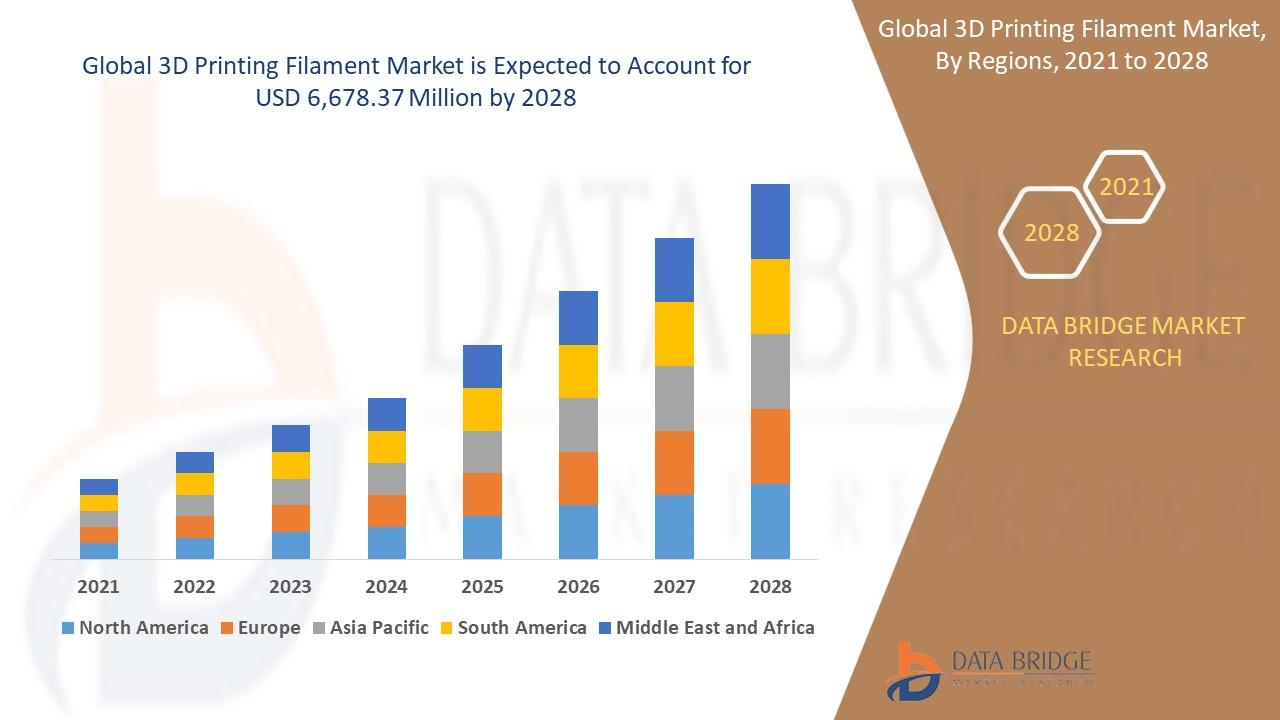
"Executive Summary: 3D Printing Filament Market Size and Share by Application & Industry The 3D printing filament market is expected to witness market growth at a rate of approximately 28.10% in the forecast period of 2021 to 2028 and is expected to reach USD 6,678.37 million by 2028. For the growth of business, 3D Printing Filament Market analysis report has a lot to offer and...
Министерство цифрового развития Российской Федерации прокомментировало инициативу создания отечественного аналога популярной серии Call of Duty. В ведомстве подтвердили, что компании, желающие реализовать крупномасштабный военный шутер, могут рассчитывать на государственную поддержку и финансирование. Ответ министерства был получен в ответ на запрос депутата Госдумы Михаила Делягина, который...
The opacifying ingredient market is on the cusp of transformational growth, with a projected market size soaring to USD 7.272 billion by 2035. This upward trajectory is underpinned by a compound annual growth rate (CAGR) of 4.05% from 2024 through to 2035. As manufacturers pivot towards sustainability and natural formulations, the demand for opacifying agents is expected to surge, especially...
Bioburden testing has become a critical quality assurance process used to determine the number of viable microorganisms present on a medical device, pharmaceutical ingredient, or finished product before sterilization. As global manufacturing standards continue to tighten, organizations are investing more in advanced testing technologies and validated laboratory procedures. The increasing...