


LPG Cylinders: The Backbone of Rural Energy Access

For billions of people, the familiar blue or red LPG cylinder represents a lifeline to clean, modern energy. It is the primary distribution channel for bringing LPG to homes, particularly in rural areas of developing nations where pipeline infrastructure is absent. This simple, robust technology is the backbone of efforts to replace polluting biomass with clean cooking fuel. According to Market Research Future, the cylinder segment is the largest and most critical distribution channel in the LPG market.
The Cylinder Ecosystem
The Cylinder Gas segment accounts for a dominant 52.8% of the LPG market, driven by decentralized consumption across rural Asia and Sub-Saharan Africa . This segment is the primary vehicle for government-led clean cooking programs. India's PMUY program, for example, has disbursed connections to over 104 million households, creating a massive and recurring demand for cylinder refills . Similarly, Indonesia's "3 kg cylinder" program serves approximately 55 million low-income families.
The cylinder ecosystem involves a complex supply chain: from large-scale bottling plants, to distributors, to the final consumer. The efficiency and safety of this network are paramount. The industry is seeing the deployment of digital supply-chain monetization tools, such as IoT-enabled cylinder tracking and smart metering, which reduce delivery cycle times and cut pilferage losses . Companies are using GPS-tagged cylinders to improve logistics and create data-rich platforms that can offer ancillary services like usage-based insurance.
The Distribution Landscape
The distribution of LPG cylinders is highly localized and heavily influenced by government policy. In India, Oil Marketing Companies (OMCs) dominate the market, while in other regions, a mix of national oil companies and private distributors operate the network. The distribution channel is a key differentiator. While cylinders dominate by volume, the Pipeline and Virtual Pipeline segment is the fastest-growing, as India, Nigeria, and Brazil invest in last-mile connectivity to reach underserved areas .
The business model is built on recurring refill sales. Subsidized initial connections are often a "loss leader" to create a long-term customer base. The key challenge for distributors is managing logistics, maintaining cylinder safety, and ensuring consistent supply, especially in remote areas.
Challenges in Cylinder Distribution
The primary challenges are logistical and financial. Distributing heavy cylinders to remote locations is costly and can be inefficient. Price volatility and the subsidy fiscal burden on governments create uncertainty for distributors and consumers. Cylinder safety incidents are a significant concern, leading to periodic regulatory crackdowns that can disrupt supply . Ensuring the timely replacement of aging cylinders is a critical safety and operational imperative.
Future Outlook
The future of LPG cylinder distribution lies in greater efficiency and safety. We will see the widespread adoption of IoT-enabled smart cylinders that can transmit data on location, pressure, and fill status. The development of virtual pipeline systems, using cascaded CNG-LPG solutions, will extend reach to areas where traditional cylinder delivery is uneconomical. As the industry modernizes, the humble LPG cylinder will remain the essential tool for delivering clean energy to billions. The Liquefied Petroleum Gas Market will continue to be defined by the evolution of this critical distribution channel.
Understand Market Analysis shifts with well-researched analysis:
Advanced Technologies Market Analysis
Categorie
Leggi tutto
The latest business intelligence report released by Polaris Market Research on Jet Boats Market Share, Size, Trends, Industry Analysis Report, By Product Type (<11m, 11-18m, 19-24m, >24m); By End-Use; By Region; Segment Forecast, 2024- 2032. It covers the in-depth knowledge of the Jet Boats Market Share that includes opportunities, growth factors, and challenges. The...

In today's fast-paced digital world, sports fans want more than just score updates—they want real-time action, instant access, and an immersive viewing experience. If you're looking for a seamless way to enjoy live sports coverage, a Cricbet99 ID can help you unlock exciting live stream features and stay connected to every moment of the game. Whether you're following cricket, football,...

The Cascadia Collection is a strong place to begin if you want a Pacific Northwest trip that feels both adventurous and restorative. This guide will show you what makes it special, what kinds of destinations it includes, and why visiting Adventures Unbound can help turn inspiration into a real escape. Why the Cascadia Collection stands out Adventures Unbound has the Cascadia Collection, and it...

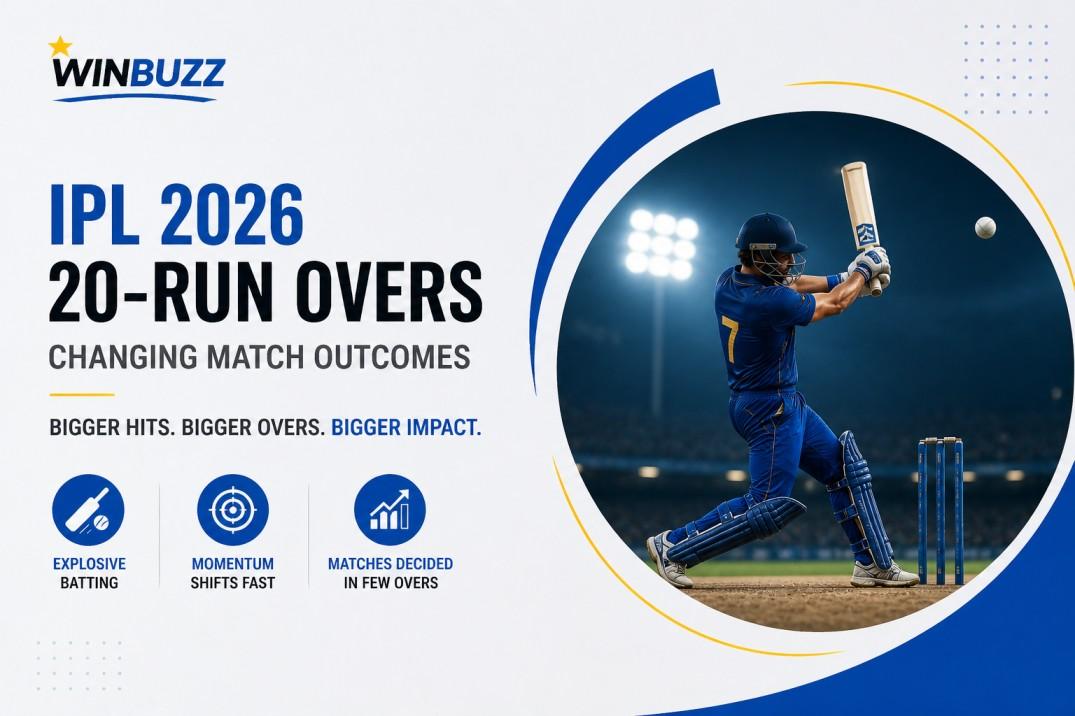
If you’ve been watching the Indian Premier League in 2026, you’ve probably noticed one big trend—20-run overs are no longer rare. Earlier, a big over meant 12–15 runs. Now, one explosive over can bring 20, 22, or even 25 runs. And these overs are not just exciting—they are deciding matches. For users following matches through platforms like WinBuzz login or using...
The latest business intelligence report released by Polaris Market Research on Sonar Systems Market Size, Share, Trends, Industry Analysis Report: By Product (Hull-Mounted, Stern Mounted, Sonobuoy, and DDS), Application, and Region (North America, Europe, Asia Pacific, Latin America, and Middle East & Africa) – Market Forecast, 2025–2034. It covers the in-depth knowledge of...