


Waste Sorting Equipment Strengthens the Shift Toward Resource Recovery

Growing volumes of municipal, commercial, industrial, construction, and packaging waste are placing greater pressure on collection and disposal systems. Sorting equipment helps waste-management operators separate mixed materials into recoverable streams such as paper, plastics, glass, metals, and organic matter. As governments pursue recycling and circular-economy objectives, automated sorting is becoming increasingly important for improving material quality, processing capacity, worker safety, and the economic value of recovered resources.
According to MarkNtel Advisors, the global waste sorting equipment sector is projected to expand at a CAGR of 15.96% during the forecast period through 2032. This outlook reflects rising investment in material recovery facilities, automated recycling lines, municipal waste infrastructure, and sensor-based separation. Demand is also being supported by the need to reduce landfill disposal and produce cleaner secondary raw materials for manufacturing.
Sorting Connects Collection With Recycling
Waste collection alone does not ensure that materials will be recycled. Mixed waste must be separated, cleaned, and prepared according to the requirements of downstream processors. Material recovery facilities perform this intermediate function by receiving recyclable materials and dividing them into marketable categories.
The U.S. Environmental Protection Agency explains that collected recyclables are transported to processing facilities, where contaminants are removed and materials are prepared for mills or manufacturers. Efficient sorting equipment improves this process by increasing throughput and reducing the volume of usable material lost within residual waste.
Mechanical Systems Provide Initial Separation
Most sorting lines combine several technologies rather than relying on a single machine. Trommel screens separate materials according to size, while ballistic separators classify items according to shape, weight, and movement. Magnets recover ferrous metals, and eddy-current systems separate aluminium and other non-ferrous materials.
Air classifiers can distinguish lightweight films and paper from heavier objects. Conveyors connect each processing stage and provide inspection points for manual quality control. The selected configuration depends on waste composition, facility capacity, available space, labour conditions, and the quality standards required by recycling customers.
Optical Sorting Improves Material Purity
Optical systems use near-infrared sensors, cameras, visible-light analysis, and compressed-air jets to identify and separate plastics, paper grades, cartons, and other materials. Artificial intelligence is further improving recognition by analysing colour, shape, texture, brand markings, and product type.
These technologies are valuable where mixed packaging contains visually similar materials with different chemical compositions. Higher purity can increase the commercial value of recovered material and reduce contamination during recycling. However, optical performance still depends on suitable lighting, belt speed, sensor calibration, material presentation, and regular equipment cleaning.
Circular Economy Goals Support Investment
The UNEP Global Waste Management Outlook emphasizes the environmental and economic consequences of continuing conventional waste practices. Sorting infrastructure supports a more circular system by directing materials back into production instead of sending them immediately to landfills, dumpsites, or incineration.
Recovered metals, fibres, polymers, and glass can substitute part of the virgin material required by manufacturers. Sorting also helps identify organic fractions suitable for composting or anaerobic digestion. Its effectiveness therefore influences whether waste is treated as an unrecoverable burden or as a source of secondary materials.
Municipal Waste Creates a Major Opportunity
Municipal solid waste contains varied materials generated by households, businesses, institutions, and public spaces. The World Bank’s What a Waste 3.0 reports that global waste generation reached approximately 2.56 billion tonnes in 2022. Continued urbanization and consumption growth will require stronger collection, processing, recovery, and controlled disposal systems.
Municipal sorting facilities must manage changing waste composition, contamination, moisture, bulky items, and seasonal fluctuations. Flexible equipment and modular processing lines can help operators adjust capacity while accommodating new packaging formats and evolving recycling requirements.
Source Separation Remains Essential
Advanced equipment cannot fully compensate for heavily contaminated input material. Food residue, liquids, hazardous items, batteries, textiles, and incorrectly discarded products may reduce recovery efficiency or create safety risks. Separation by households and businesses remains important for supplying cleaner material to processing facilities.
The EPA’s recycling guidance notes that recyclables are sorted, cleaned, and processed before being returned to manufacturing. Clear labelling, public education, convenient collection systems, and consistent acceptance rules can improve the quality of incoming waste and reduce the burden placed on sorting machinery.
Safety and Standardization Guide Operations
Waste-sorting facilities contain conveyors, rotating screens, shredders, compressed-air systems, and heavy mobile equipment. Operators must address entanglement, dust, noise, fire, sharp objects, and exposure to hazardous materials. Lithium-ion batteries are a growing concern because damaged units can ignite during collection or processing.
The ISO waste collection and transportation committee covers equipment, performance, safety, maintenance, environmental considerations, logistics, and data management. Comparable operating principles can help sorting facilities establish preventive maintenance, employee training, emergency procedures, and performance monitoring.
Automation Shapes the Long-Term Outlook
Waste sorting is moving toward sensor-rich, digitally connected, and increasingly automated facilities. Robotics, artificial intelligence, remote monitoring, and predictive maintenance can improve recovery while reducing repetitive manual handling. Long-term progress will depend on equipment affordability, dependable collection systems, demand for recycled materials, and effective source separation. When these elements function together, sorting technology can become a central link between waste generation and circular resource use.
الأقسام
إقرأ المزيد
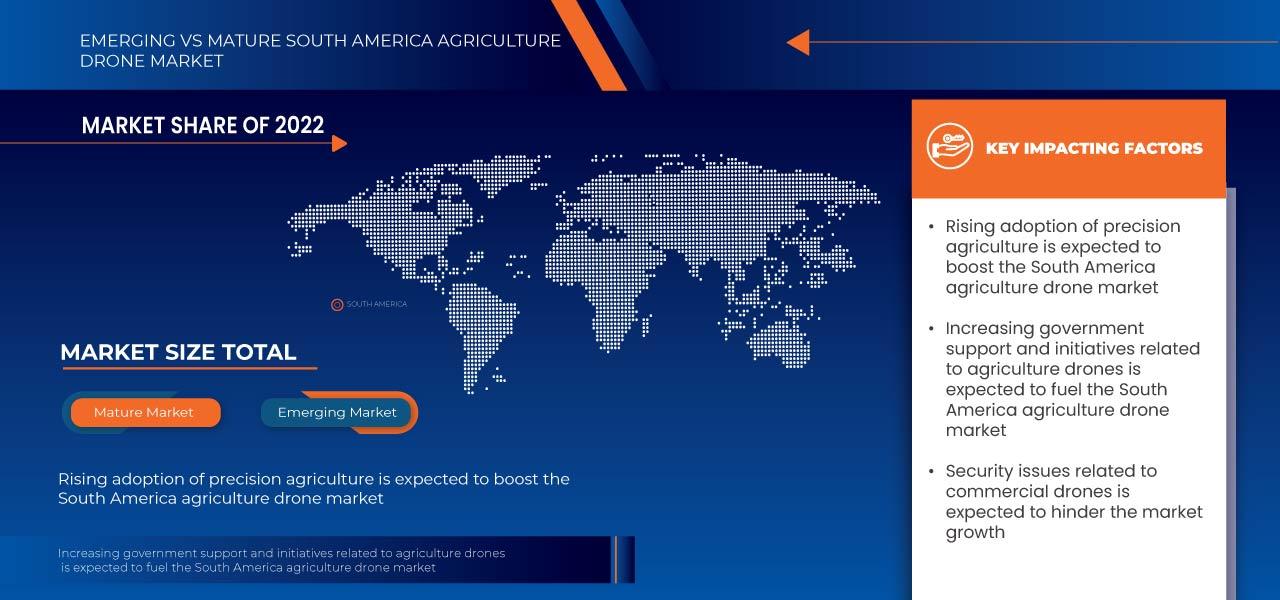
"Market Trends Shaping Executive Summary South America Agriculture Drone Market Size and Share CAGR Value Data Bridge Market Research analyzes that the South America agriculture drone market is expected to reach a value of USD 107,962.41 thousand by 2030, at a CAGR of 3.84% during the forecast period. An extensive market research report like South America Agriculture Drone...
Mesotherapy in Dubai has emerged as one of the most sought-after cosmetic treatments in Dubai, offering a minimally invasive solution for skin rejuvenation, fat reduction, and hair restoration. If you are near Dubai Marina and looking for expert mesotherapy specialists, this guide will help you understand the treatment, its benefits, and what to expect during your sessions. What is...

turned 39 on Tuesday. Here are the five best seasons (according to pa sing yards) by quarterbacks 39 or older: 1) Warren Moon, 1995 (39 years old, 4,228 yards) 2) Brett Favre, 2009 (40 years old, 4,202 yards) 3) Warren Moon, 1997 (41 years old, 3,678 yards) 4) Vinny Testaverde, 2004 (41 years old, 3,532 yards) 5) Brett Favre, 2008 (39 years old, 3,472 yards) Considering the departures of tight...

Marathahalli has grown into one of Bangalore’s major commercial and technology-focused locations, connecting important business hubs such as Whitefield, Electronic City, and Outer Ring Road. The area is home to IT companies, startups, retail businesses, Corporate leased line Marathahalli educational institutions, healthcare facilities, and corporate offices. As organizations...

Thermal Interface Adhesives (TIA) market was valued at USD 1,810 million in 2025 and is projected to reach USD 3,210 million by 2034, exhibiting a remarkable CAGR of 6.5% during the forecast period. Thermal Interface Adhesives are polymer‑based compounds engineered to fill microscopic gaps between heat‑generating components (such as CPUs, power modules, LEDs) and heat‑dissipating substrates...
