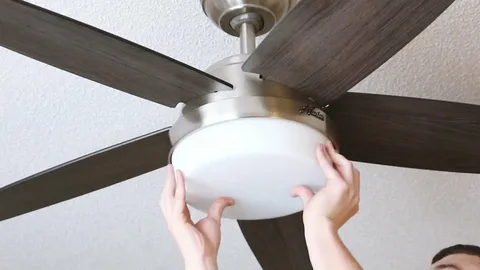
A well-installed ceiling fan can improve comfort in every season. It helps move air efficiently and makes living spaces feel more pleasant. Ceiling Fan Installation is a practical home improvement that can reduce the need for constant air conditioning while improving airflow throughout your home. Choosing the right fan and ensuring proper installation are both important for long-lasting performance.
Why a Ceiling Fan Is a Valuable Home Upgrade?
Ceiling fans do more than cool a room. They improve air circulation, making indoor spaces feel more comfortable during both warm and cool months. Many modern fans also include lighting features and energy-efficient motors.
Installing a ceiling fan can also enhance the appearance of a room. With many styles and finishes available, homeowners can find a design that matches their interior décor. A properly installed fan adds both function and style.
Benefits of Professional Installation
Installing a ceiling fan may seem simple, but it involves electrical work and proper mounting. A secure installation keeps the fan balanced and operating safely. Loose mounting or incorrect wiring can create unnecessary risks.
Professional installation also saves time. An experienced installer knows how to connect wiring correctly, mount the fan securely, and test every function before completing the job. This helps prevent future issues.
Choosing the Right Ceiling Fan
Not every ceiling fan is suitable for every room. The size of the room should determine the fan size. Larger rooms need larger blades to provide effective airflow.
Ceiling height also matters. Standard ceilings work well with flush-mounted fans, while higher ceilings may require a downrod. Outdoor areas need weather-rated fans designed to handle moisture and changing temperatures.
Features to Consider Before Buying
Modern ceiling fans offer many useful features. Remote controls make operation more convenient. Some fans include smart home compatibility, allowing users to control settings from a mobile device.
Energy-efficient motors can reduce electricity use while maintaining strong airflow. Integrated LED lighting can also lower energy costs compared to traditional light fixtures.
Common Installation Challenges
Older homes may have electrical boxes that cannot safely support the weight of a ceiling fan. In such cases, the electrical box must be replaced with one designed for ceiling fan support.
Another challenge involves balancing the blades. If the blades are not balanced correctly, the fan may wobble or make noise during operation. Proper adjustments eliminate these problems and improve performance. Many homeowners rely on a trusted Handyman Service to handle these tasks safely and efficiently.
Indoor and Outdoor Ceiling Fans
Indoor fans are designed for dry spaces such as bedrooms, living rooms, and dining areas. They focus on comfort and appearance while providing reliable airflow.
Outdoor fans are built with materials that resist humidity and moisture. These fans work well on patios, covered decks, and porches where weather exposure is possible.
Maintenance Tips for Long-Lasting Performance
Routine maintenance helps ceiling fans last longer. Dust should be removed from the blades regularly because buildup can reduce efficiency and create imbalance.
Check mounting screws periodically to ensure they remain tight. Loose hardware can lead to wobbling or unwanted noise. Cleaning light fixtures and replacing bulbs when needed also keeps the fan looking its best.
Signs That Your Ceiling Fan Needs Replacement
Older ceiling fans may become noisy or lose efficiency over time. If the motor begins making unusual sounds or the fan no longer operates smoothly, replacement may be the best option.
Outdated fans may also consume more electricity than newer energy-efficient models. Upgrading to a modern fan can improve comfort while lowering energy costs.
Safety Should Always Come First
Electrical safety should never be overlooked during installation. Turning off power at the breaker is essential before beginning any work. Proper wiring connections help prevent electrical hazards.
The mounting bracket must also be attached securely to a ceiling fan-rated electrical box. This ensures the fan remains stable even after years of regular use.
Additional Home Improvement Opportunities
Many homeowners combine ceiling fan installation with other home improvement projects. Updating lighting, replacing switches, or upgrading outlets can improve both convenience and functionality.
Scheduling multiple projects at once often saves time and reduces disruption. Professional installers can complete several upgrades during a single visit, making home improvements more efficient.
Improve Your Home's Comfort and Value
Simple upgrades can make a noticeable difference in everyday living. A properly installed ceiling fan increases comfort while adding visual appeal to almost any room. It also contributes to better airflow and improved energy efficiency.
Homeowners often choose to complete other upgrades during the same appointment, including Plumbing Fixture Installation, to improve the overall function and appearance of their homes. Combining projects can provide greater convenience and long-term value.
Conclusion
A professionally installed ceiling fan is an investment in comfort, safety, and energy efficiency. Choosing quality products and ensuring proper installation helps homeowners enjoy reliable performance for years. Whether you are upgrading one room or your entire home, expert workmanship makes all the difference.
For dependable home improvement solutions, Custom Wood Finishes and More LLC proudly serves homeowners throughout Las Vegas, NV, and the surrounding areas. Their experienced team delivers quality craftsmanship, reliable service, and professional results for a wide range of residential improvement projects.