


Fire Safety Consultants for Safe Buildings
Building safety is changing as architects, developers, and regulators respond to new materials, taller structures, tighter energy targets, and more complex occupancy patterns. Fire safety is no longer treated as a final compliance check; it is increasingly integrated into design, construction, refurbishment, and asset management. This shift has increased demand for fire safety consultants who can connect technical fire engineering with practical building decisions. Current industry trends include stronger attention to façade performance, digital documentation, performance-based design, resilient evacuation planning, and lifecycle risk management. For property owners, following these developments can reduce uncertainty, improve occupant protection, and support better long-term investment decisions.
Why Façade Fire Risk Is Becoming a Priority
One major trend is the growing scrutiny of external walls and façade systems. Modern façades can combine insulation, membranes, cavities, finishes, fixings, and decorative elements, creating assemblies that require evaluation as complete systems rather than isolated products. A Building Façade Fire Risk Audit can help identify construction details, material concerns, fire stopping conditions, and potential routes for external fire spread. Effective reviews increasingly rely on evidence such as drawings, product information, inspection findings, test reports, and photographs. This evidence-led approach helps distinguish confirmed risks from assumptions and gives owners a clearer basis for deciding whether further investigation, remediation, or monitoring is appropriate.
The Growth of Performance-Based Fire Strategies
Another important development is the move toward risk-informed and performance-based fire strategies. Prescriptive codes remain fundamental, but complex buildings sometimes require professional analysis to understand how different safety measures interact. Industry practice is increasingly focused on evacuation behavior, smoke movement, compartmentation, structural fire performance, emergency access, detection, suppression, and resilience as connected issues. Fire safety consultants can support multidisciplinary teams by translating regulatory requirements into coordinated design decisions. Their involvement is particularly valuable when projects contain unusual layouts, innovative construction methods, heritage constraints, mixed uses, or changes that were not anticipated in the original building design.
Digital Technology and Fire Safety Documentation
Digital technology is also changing how fire risks are documented and managed. Building information models, digital inspection records, photographic surveys, asset databases, and structured compliance documentation can make fire safety information easier to track throughout a building’s lifecycle. Instead of relying on scattered reports, organizations can create clearer records of products, inspections, deficiencies, corrective actions, and responsible parties. This supports better communication between owners, facilities teams, designers, contractors, and authorities. However, technology does not replace professional judgment. Data must be accurate, current, and interpreted in context. A sophisticated digital record is only useful when the underlying information has been properly verified and maintained.
Greater Focus on Professional Accountability
This trend also reflects a broader expectation for transparent professional accountability. Clients increasingly want recommendations that explain the evidence considered, the limitations of available information, the applicable standards, and the reasoning behind proposed actions. Clear reporting helps decision-makers understand both immediate priorities and longer-term improvements. It also creates a useful reference for future inspections, maintenance programs, refurbishment planning, and discussions with insurers or approving authorities. Where uncertainty remains, competent specialists should identify it openly rather than presenting assumptions as established facts. That discipline strengthens trust and supports decisions that are proportionate to the building’s actual risk profile and operational circumstances today.
Sustainability and Fire Safety Working Together
Sustainability is creating another significant consideration for fire safety professionals. Energy-efficient envelopes, retrofits, photovoltaic systems, lightweight construction, and new insulation products can change the technical characteristics of buildings. Sustainable design should therefore be considered alongside fire performance rather than as a separate objective. Industry leaders are increasingly looking for solutions that balance environmental goals with life safety, durability, maintainability, and regulatory expectations. This requires early coordination between architects, engineers, sustainability specialists, contractors, and fire professionals. Reviewing proposed materials and systems before procurement can also help identify compatibility or performance concerns before they become expensive changes during construction or refurbishment.
Managing Fire Risk Throughout a Building’s Lifecycle
For existing properties, proactive risk management is becoming increasingly important. Owners are recognizing that fire safety should be continuously reviewed as buildings age, occupancy changes, alterations are completed, and new information becomes available. A Building Façade Fire Risk Audit can form part of a wider assessment program, particularly where records are incomplete or façade construction is uncertain. Experienced fire safety consultants can help organizations prioritize findings according to severity, evidence, occupancy, building characteristics, and practical consequences. Vortex Fire’s building code consulting and fire strategy services provide a specialist framework for reviewing fire safety requirements, interpreting code considerations, and developing practical strategies. A professional approach can help stakeholders make informed decisions without relying on generic assumptions or isolated observations.
Conclusion
The direction of the fire safety industry is clear: prevention, evidence, coordination, and lifecycle management are becoming more important. Façade risks, digital records, performance-based strategies, sustainable materials, and proactive inspections are influencing how responsible organizations approach building safety. Businesses that monitor these trends can respond earlier and make better-informed decisions. A detailed Building Façade Fire Risk Audit helps identify potential vulnerabilities, evaluate existing conditions, and support effective safety planning for modern properties. Professional advice is most valuable when recommendations are supported by evidence, clearly documented, and tailored to the actual building. By combining regulatory knowledge with practical risk assessment, organizations can create safer environments while improving the resilience and long-term value of their properties.
FAQs
1. Why are façade fire risks receiving more attention?
Façade systems can contain multiple components and concealed cavities that may influence external fire spread. Better documentation and inspection help identify potential weaknesses before they become serious concerns.
2. What does a façade fire risk audit typically involve?
It may involve reviewing drawings, materials, construction details, inspection evidence, fire stopping, test documentation, photographs, and relevant building conditions to identify potential risks and information gaps.
3. Are performance-based fire strategies replacing building codes?
No. Building codes remain important. Performance-based analysis can provide additional technical understanding where a project has complex conditions or requires a strategy beyond straightforward prescriptive provisions.
4. How can digital records improve fire safety management?
Centralized records can make inspections, deficiencies, corrective actions, product information, and responsibilities easier to track. Their value depends on accurate information and regular updates.
5. When should owners review their building’s fire safety strategy?
Reviews can be valuable after major alterations, changes in occupancy, refurbishment, new façade information, changes affecting fire systems, or when existing documentation no longer reflects actual building conditions.
Categorie
Leggi tutto
In today’s hyperconnected supply chain environment, logistics businesses are under relentless pressure to move faster, operate leaner, and deliver with surgical precision. Manual workflows and fragmented systems no longer suffice. This is where selecting the right logistics app development company becomes a strategic decision rather than a technical one. A well-built logistics application...

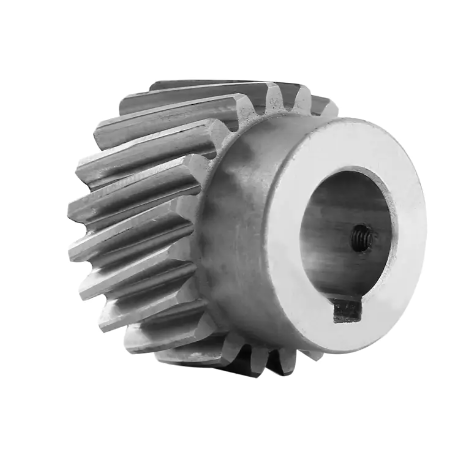
A Custom Gear Manufacturer plays a crucial role in producing gears that meet specific performance requirements for industrial, automotive, and machinery applications. Gears are fundamental components that transfer motion and power in mechanical systems, and a Custom Gear Manufacturer ensures that these components are designed and produced to meet exact specifications. The precision and...
The New Holland 3630 TX Special Edition is a dependable and performance-focused tractor designed to meet the daily needs of Indian farmers. Known for its balanced power, smooth operation, and durable build quality, this tractor performs efficiently across a wide range of agricultural tasks such as ploughing, sowing, harvesting, and haulage. Powered by a 49.5 HP engine operating at 2100 RPM, the...

Le marché des cigarettes électroniques jetables évolue rapidement, avec des modèles toujours plus performants et innovants. Parmi les références qui attirent l’attention des amateurs de vape, la JNR Alien 10000 s’impose comme une solution moderne offrant une excellente autonomie, un design élégant et une restitution des saveurs...

There is a problem with the image of corporate videos. Most brands are making corporate videos that have technical finesse but no emotional appeal – a visual equivalent of the boring old Powerpoint presentation. However, if you invest in your corporate video production Dubai properly, the potential is huge. The Two Audiences Most Brands Forget to Distinguish There are two types of...
