


Large Design Model: The Future of AI-Powered Graphic Design

Artificial intelligence has dramatically changed the way visual content is produced. Today, anyone can enter a short prompt and generate an image within seconds. AI image generators have made it easier to create photographs, illustrations, backgrounds, concepts, and other visual assets without starting from a blank canvas.
However, creating an image is very different from creating a professional graphic design. A business design needs much more than attractive pixels. It needs a clear hierarchy, readable typography, balanced spacing, purposeful composition, brand consistency, and a strong relationship between every visual element. It also needs to remain flexible because marketing content rarely stays unchanged.
This is where the concept of a Large Design Model becomes important. Instead of treating design as a flat image, a Large Design Model is designed to understand the structure and relationships that make up a visual composition. It can work with text, images, vectors, shapes, colors, and layouts to create designs that are not only visually appealing but also structured and editable.
Sivi's Large Design Model brings this approach to AI-powered creative production, helping businesses transform ideas, content, and brand requirements into editable designs for advertising, social media, ecommerce, banners, thumbnails, and other marketing applications.
What Is a Large Design Model?
A Large Design Model, or LDM, is a generative AI system built specifically to understand and create graphic designs. While traditional text-to-image models focus primarily on generating pixels, an LDM focuses on the components and relationships that make up a design.
Consider a typical advertisement. It may contain a product photograph, headline, supporting copy, logo, CTA, background, shapes, and other visual elements. In a conventional AI-generated image, all of these components may become part of one flattened picture. The result can look convincing, but changing one element afterward can be difficult.
A Large Design Model takes a different approach. It can understand that each part of a design has a different purpose and needs to work together with the other components. Text can be treated as text, images can remain separate, and vector elements can retain their structure.
This makes the generated result much closer to a real design composition than a simple image that represents a design.
From Text-to-Image to Text-to-Design
Text-to-image AI has become highly capable at producing visually impressive results. It can generate creative scenes, realistic images, illustrations, artistic compositions, and many other forms of visual content.
Graphic design introduces another level of complexity.
A design is created to communicate something. The headline needs to attract attention. Supporting information needs to remain readable. The product or main visual needs to have the right amount of emphasis. The CTA needs to be easy to find. Brand elements need to appear consistently. All of these decisions contribute to the final result.
A Large Design Model is designed to consider these relationships.
Instead of simply predicting what an image should look like, text-to-design technology can interpret what the design needs to communicate and how its different components should be organized. This changes the role of AI from image generator to design-generation system.
The difference may seem subtle, but it becomes significant when the generated asset needs to be edited, resized, localized, or reused.
Why Editable Layers Matter
One of the biggest limitations of flat AI-generated images appears after the generation process is complete.
Imagine that a marketing team creates an advertisement and likes almost everything about it except the headline. With a traditional image generator, changing the headline may require manual image editing or another generation attempt. Regenerating the entire image can result in changes to elements that were already correct.
An editable design works differently.
When text, images, vectors, and other components exist on separate layers, users can modify individual elements without rebuilding the entire composition. A headline can be rewritten, an image can be replaced, a CTA can be adjusted, or a graphic element can be repositioned while the rest of the design remains intact.
This is particularly important because professional design is an iterative process. A creative may go through several rounds of feedback before it is approved. Once approved, it may need additional versions for different audiences, platforms, or markets.
Editable layers make AI-generated designs much more useful in this type of workflow.
How Sivi's Large Design Model Approaches Design Generation
Generating a structured design requires an AI system to understand more than visual appearance. It needs to interpret content, assets, styles, dimensions, and relationships between design elements.
Sivi's Large Design Model combines multimodal architectures and custom diffusion models to process information such as text, visual assets, and brand requirements. This information can be transformed into a structured representation of the intended creative.
The composition process then determines how different elements should be positioned and organized. Rather than treating the entire design as one visual surface, the system works with individual components and their relationships.
The resulting composition can be rendered through an SVG-based system, helping preserve the structure of vector and design elements. Users can then continue customizing the generated creative through an editing workflow.
This architecture creates an important connection between AI generation and conventional graphic design. AI can accelerate the initial creative process while structured output provides flexibility for subsequent editing.
AI Design That Understands Brand Identity
For businesses, generating a visually attractive design is only part of the challenge. The creative also needs to represent the brand correctly.
Brands often have established colors, fonts, logos, imagery, layouts, and visual guidelines. When content is produced at scale, maintaining those standards manually across every creative can become difficult.
A Large Design Model can incorporate brand information into the generation process.
Sivi's approach is designed around brand-aware design generation, allowing brand assets and requirements to influence the creative output. Instead of producing a generic design that requires extensive adjustments, the system can use the available brand context when constructing the composition.
This becomes especially valuable for businesses running multiple campaigns simultaneously. A company may need advertising creatives, social posts, ecommerce graphics, website banners, and promotional content, all with different messages and dimensions.
The content can change while the visual identity remains consistent.
Designing for Different Sizes and Formats
Modern marketing teams create content for many different platforms. A single campaign may require a social media post, mobile advertisement, website banner, ecommerce graphic, email visual, or thumbnail.
Each format presents its own design constraints.
Simply cropping one design into different dimensions can cause important elements to become misplaced or difficult to read. A headline that works in a wide banner may not fit comfortably into a vertical creative. An image may need to move, while supporting text may need to be reorganized.
A Large Design Model can treat the dimensions of the canvas as part of the composition process.
Instead of simply resizing an existing image, AI can help reorganize the design around the available space. This makes it possible to approach different formats as distinct compositions rather than copies of the same flattened image.
For teams producing creative assets at scale, this can reduce repetitive design work and make adaptation much faster.
Large Design Models for Advertising and Marketing
Advertising is one of the areas where structured AI design generation can have a major impact.
Performance marketing teams constantly need new creative variations. Different headlines, products, offers, images, CTAs, and audience messages may need to be tested to understand which combinations perform best.
Creating every variation manually can require significant design resources. A Large Design Model can help accelerate this process by generating structured compositions from creative requirements.
The same principle applies to social media marketing. Brands need a constant stream of fresh content, but producing every post manually can become repetitive. Text-to-design technology can transform campaign messages and marketing content into visual compositions while allowing users to edit the final result.
Ecommerce businesses can also benefit from this approach. Product launches, seasonal promotions, sales campaigns, product highlights, and category graphics all require visual content. Structured generation can help produce these assets while maintaining consistency across the catalog.
Large Design Models and Multilingual Creative
Global marketing introduces another challenge for AI-powered design: language.
A design created in English may not have the same text length when translated into another language. A short headline can become significantly longer, changing the visual balance of the composition.
With a fixed design, translated text can create spacing and alignment problems. Someone may need to manually adjust the layout for every language.
A text-to-design system can approach this problem differently by considering the content and composition together. As the language changes, the design can adapt to the new text rather than treating translation as a simple replacement operation.
This makes structured design generation particularly valuable for brands that communicate with audiences across multiple markets.
The Evolution of Sivi's Large Design Model
Sivi's journey toward the Large Design Model has developed through multiple generations of text-to-design technology.
The first generation introduced the idea of transforming text descriptions into visual designs. It demonstrated that AI could do more than generate individual images and could instead assist with the arrangement of design elements.
The second generation introduced additional creative control through features such as Style Cards and Composition Guides. These capabilities gave users greater influence over the visual direction of generated designs.
The next stage moves toward a component-based Large Design Model with agentic reasoning. The focus is on creating editable, on-brand designs that can work with a brand's own components and requirements.
This progression reflects a broader change taking place across generative AI. The industry is moving beyond the question of whether AI can create an attractive image and toward a more practical question: can AI create something that people can actually use?
Why Large Design Models Matter
The value of a Large Design Model becomes clearer when looking at the way businesses create content today.
A company does not usually need one creative asset. It may need hundreds of variations across different products, campaigns, audiences, languages, and platforms.
Those assets also need to evolve.
Messages change, products change, campaigns expire, and new formats appear. A design system that produces only flat images can make every change feel like a new project.
A structured design model offers a different approach. It treats the creative as a collection of connected elements that can be generated, edited, adapted, and reused.
This is the fundamental shift from text-to-image to text-to-design.
The Future of AI-Powered Design
The future of AI design will not simply be about generating images faster. It will be about making the entire creative process more intelligent and adaptable.
Marketers will be able to begin with a creative brief instead of a blank canvas. AI will help transform that brief into structured design compositions. Users will be able to refine individual elements instead of regenerating an entire image. Brand requirements can become part of the generation process rather than something checked only after the design is finished.
Large Design Models represent this transition.
Sivi's Large Design Model combines multimodal understanding, design composition, editable elements, brand-aware generation, vector-based structures, and flexible sizing to move AI beyond flat visual generation.
The result is a new way to think about creative automation.
AI is no longer limited to generating a picture of what a design could look like. With a Large Design Model, the goal is to generate the design itself, with the structure and flexibility needed to keep working with it after the initial generation.
That is what makes Large Design Models an important step toward the future of AI-powered graphic design.
Categorii
Citeste mai mult
Lograr un embarazo puede ser un proceso sencillo para algunas parejas, pero para otras puede requerir tiempo, conocimiento y el enfoque adecuado. Existen diversos Metodos para Quedar Embarazada, pero es importante optar por alternativas que respeten el funcionamiento natural del cuerpo y promuevan una salud reproductiva integral. En este artículo, te presentamos una guía...

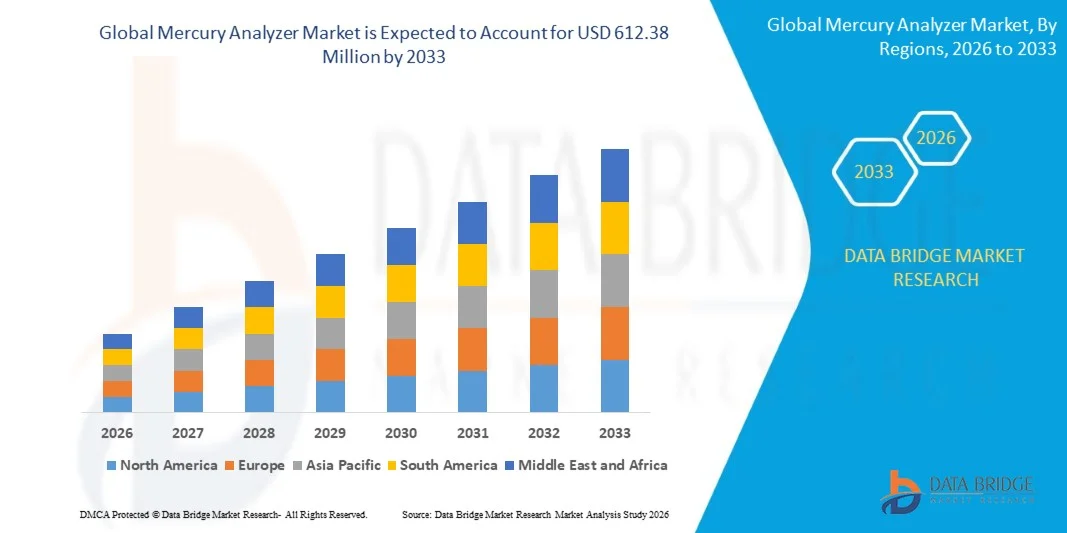
"According to the latest report published by Data Bridge Market Research, the Mercury Analyzer Market The global mercury analyzer market size was valued at USD 334.55 million in 2025 and is expected to reach USD 612.38 million by 2033, at a CAGR of 7.85% during the forecast period Winning Mercury Analyzer Marketresearch report deeply analyses the...
In the modern world of online entertainment, SLOT GACOR has become one of the most talked-about keywords among gaming enthusiasts. It represents a growing interest in online slot gaming platforms that promise excitement, engagement, and dynamic gameplay experiences. Many players search for reliable information and strategies related to SLOT GACOR because of its popularity in digital gaming...

The Shift Toward Private Stays Feels Real Now Something changed in the way people travel. Not overnight, but you can feel it. Hotels still exist, sure, but more travelers are quietly moving toward spaces that feel… theirs. A st barth villa rental isn’t just about a place to sleep. It’s about control. Your schedule, your space, your noise level. No elevator waits. No...

The Quantitative Principles of Dynamic Portfolio Calibration The continuous expansion of the global digital entertainment industry has triggered a fundamental shift in how high-volume market participants analyze competitive events. Relying on basic trends, media commentary, or intuition has proven to be an unsustainable strategy for capital preservation over an extended operational timeline....
