Preprimary and Primary Education: Building a Strong Foundation for Lifelong Learning

The early years of school are full of new experiences for children. They learn how to communicate, make friends, follow instructions, solve simple problems, and understand the world around them. At this age, learning should be enjoyable and connected with everyday life. Children learn better when they can play, explore, ask questions, and take part in activities instead of only sitting and listening.
A caring classroom can help children feel safe and confident. Teachers and parents can work together to give children the support they need during these important years.
Understanding Preprimary And Primary Education
This covers an important stage of a child's learning journey. Preprimary classes help children become comfortable with school, while primary classes gradually introduce stronger academic and social skills.
At the preprimary level, children may learn through stories, songs, drawing, games, puzzles, and simple activities. As they move into primary school, they begin working more with reading, writing, mathematics, science, and other subjects.
The aim is not only to teach school subjects. Children also need to learn how to think, communicate, work with others, and become more independent.
Why Early Learning Matters
The habits children develop in their early school years can influence how they approach learning later. A child who feels encouraged to ask questions may become more confident about sharing ideas. Similarly, a child who is allowed to learn through mistakes may become less afraid of trying something new.
Good Preprimary And Primary Education gives children opportunities to learn at a comfortable pace. Teachers can use simple examples and activities to explain difficult ideas. This helps children understand lessons instead of simply memorizing information.
Learning Through Play and Activities
Play is a natural part of childhood, but it can also be a useful way to teach. Building blocks can introduce shapes and counting. Drawing can develop creativity and hand control. Group games can teach children about sharing, teamwork, and following rules.
Teachers can also use role-play activities to help children understand real-life situations. For example, children can pretend to run a small shop and learn about numbers, communication, and simple buying and selling.
These activities make Preprimary And Primary Education more active and enjoyable.
Understanding the Early Childhood Education Syllabus
A well-planned Early Childhood Education Syllabus should focus on the overall development of a child. It should include activities that support language, early mathematics, physical movement, creativity, social skills, and emotional growth.
For young children, lessons should be short and easy to understand. A teacher might introduce numbers through counting toys or teach new words through a story. Children can then practice the same idea through drawing, games, or classroom conversations.
The syllabus should also leave room for teachers to adjust activities according to the needs and interests of their students.
Developing Reading and Writing Skills
Reading and writing become important parts of primary education. Children first learn letters and sounds before moving toward words, sentences, and short stories.
Teachers can make reading interesting by using picture books, rhymes, storytelling, and simple reading games. Writing practice can include tracing letters, writing familiar words, labeling pictures, and creating short sentences.
Preprimary And Primary Education should give children enough practice without making them feel pressured. Encouragement is often more useful than correcting every small mistake.
Building Strong Maths Skills
Children can understand mathematics more easily when numbers are connected with real objects. Teachers can ask children to count pencils, arrange blocks, compare sizes, or identify shapes around the classroom.
As children progress, they can learn addition, subtraction, multiplication, division, measurements, patterns, and basic problem-solving.
Using everyday examples makes mathematics less confusing. A simple question such as “You have three apples and get two more. How many do you have?” can make a maths lesson easier to understand.
Supporting Social and Emotional Growth
Education is not only about marks and textbooks. Children also need to understand their feelings and learn how to behave with others.
Group activities can teach children how to share, listen, cooperate, and solve small disagreements. Teachers can encourage children to talk about their feelings and show respect for different opinions.
These skills are an important part of Preprimary And Primary Education because they help children become responsible and caring members of a community.
The Role of Teachers and Parents
Teachers guide children during their school hours, while parents continue the learning journey at home. Both can create a positive environment by appreciating effort and encouraging curiosity.
Parents can read stories with their children, talk about their school day, help with simple activities, and encourage them to explore their surroundings.
Nature Nurture believes that children learn best when education is meaningful, practical, and connected with their experiences.
Creating a Better Learning Future
Good education gives children more than academic knowledge. It helps them become curious, confident, creative, and ready to face new challenges.
Preprimary And Primary Education becomes more effective when classrooms combine learning with play, creativity, discussion, practical activities, and positive support. Children should have opportunities to explore ideas rather than simply memorize answers.
Nature Nurture supports learning approaches that focus on the complete development of children and help make early education more engaging.
When children receive the right guidance during their early years, they can develop strong learning habits that continue to support them throughout their school journey and beyond.
الأقسام
إقرأ المزيد
Men seeking to enhance their intimate confidence and physical proportions are increasingly turning to advanced medical aesthetics. In the global hub of medical tourism, modern clinical techniques have made personal enhancement safer, more precise, and highly accessible. If you are exploring options for standard structural improvement or specialized rejuvenation, understanding the available...

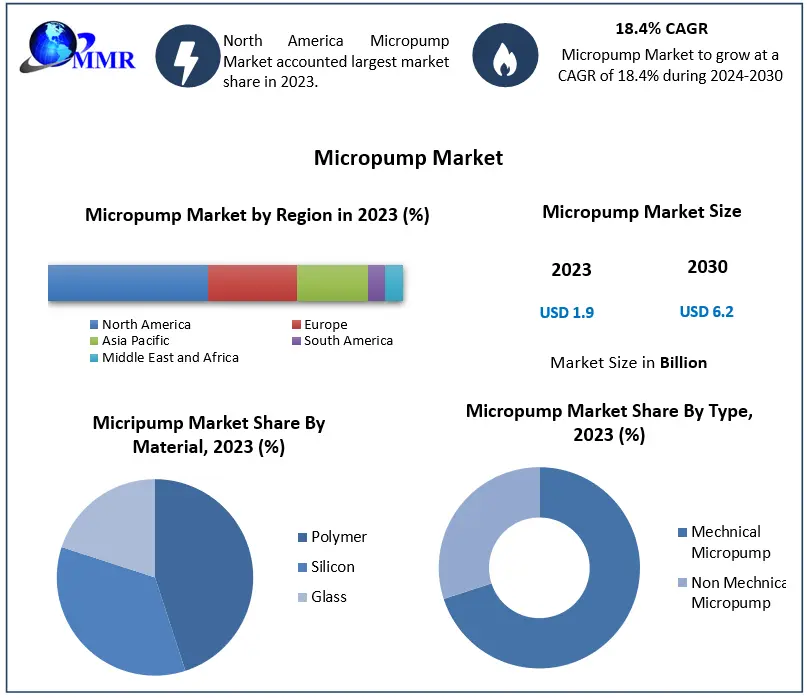
Micropump Market to Reach USD 3.26 Billion by 2032 from USD 1.78 Billion in 2024 at 7.9% CAGR as AI-Driven Healthcare The Global Micropump Market is poised for significant expansion as next-generation drug delivery systems, lab-on-a-chip technologies, precision medicine, and microfluidics continue to reshape modern healthcare....
Introduction Industrial enterprises today generate enormous volumes of data from machines, sensors, production systems, and enterprise applications. Yet, many organizations still struggle to turn this data into actionable insights that can improve operational performance and strategic decision-making. Industrial DataOps Software is emerging as a critical enabler for modern industrial...

"Executive Summary Medical Image Analysis Software Market Size and Share: Global Industry Snapshot The global medical image analysis software market was valued at USD 3.87 billion in 2024 and is expected to reach USD 7.10 billion by 2032 During the forecast period of 2025 to 2032 the market is likely to grow at a CAGR of 7.9%, primarily driven by the...

If you’re considering security patrol services for your property, you might be wondering what exactly they include and how they work. Understanding what to expect can help you make a more informed decision and get the most out of your security setup. Regular and Scheduled Patrols At the core of patrol services are routine checks of your property. Security personnel move through designated...