Mini Wireless Lavalier Mics — Are They Good Enough for Professional Vlogs in Pakistan?

If you're deciding between a camera-mount wireless mic and a phone wireless mic, the answer depends almost entirely on which device you actually film with most — not which system sounds "more professional." Whether you're considering a popular option like the LARK M2 or another wireless microphone system, this guide breaks down the real differences so you buy the right one the first time, instead of discovering a compatibility mismatch after your purchase.
Hope Enterprises has supplied both camera-focused and mobile-focused wireless audio gear to Pakistani creators for years as an authorized distributor, and the comparison below reflects the compatibility issues and buying regrets creators most commonly run into locally.
The Core Difference: It's About the Receiver, Not the Mic Itself
Here's what a lot of first-time buyers don't realize: the actual microphone transmitter in most wireless kits is nearly identical whether it's marketed as "camera" or "phone" focused. The real difference is the receiver — how it connects to your recording device.
Real scenario: A Lahore-based creator who films both DSLR interviews and iPhone vlogs bought a camera-focused wireless kit first, assuming she could adapt it for phone use later. She discovered the cold-shoe receiver had a 3.5mm output built for cameras, with no simple way to connect it to her phone's charging port without an extra adapter cable — a detail the product listing didn't make obvious.
Camera-Mount Wireless Mics: What They're Built For
Camera-mount systems are designed around a cold-shoe (or hot-shoe) mounted receiver that outputs via 3.5mm TRS cable into a DSLR or mirrorless camera's microphone input.
Strengths:
-
Typically longer range (150-400m depending on model), since camera work often involves more distance between subject and operator.
-
Larger batteries and more robust build, suited to longer shoot days.
-
Often includes multi-channel support for interview or event work with multiple speakers.
Limitations:
-
Not designed to plug directly into a phone without an adapter.
-
Bulkier receiver unit, which doesn't matter mounted on a camera but is awkward for handheld phone use.
Phone Wireless Mics: What They're Built For
Phone-focused systems use a compact receiver that plugs directly into a smartphone's charging port (USB-C or Lightning), skipping the cable-and-adapter step entirely.
Strengths:
-
Direct plug-in convenience — no separate cable needed.
-
Lightweight, doesn't affect phone grip or gimbal balance significantly.
-
Usually cheaper than camera-focused systems with comparable transmitter quality.
Limitations:
-
Shorter typical range (50-100m), sufficient for most mobile vlogging but limiting for wedding-style or large-venue work.
-
Smaller batteries, generally 4-8 hours versus longer camera-system runtimes.
-
Connector-specific — a Lightning receiver won't work on an Android phone without swapping to a USB-C version.
Side-by-Side Comparison
|
Feature |
Camera-Mount Wireless Mic |
Phone Wireless Mic |
|
Receiver connection |
3.5mm TRS into camera |
Direct USB-C/Lightning into phone |
|
Typical range |
150-400m |
50-100m |
|
Battery life |
7-10+ hours (often with charging case) |
4-8 hours |
|
Price in Pakistan |
Rs. 35,000 – 90,000 |
Rs. 8,000 – 25,000 |
|
Best for |
DSLR/mirrorless videographers, events, weddings |
Mobile vloggers, casual creators, social content |
Honest verdict: Neither system is objectively better — they're built for different recording devices and different use cases. Buying the wrong one for your primary device means paying for adapters and cables that eat into the convenience you were trying to buy in the first place.

What If You Film on Both Camera and Phone?
Real scenario: A Karachi-based content creator who shoots client work on a mirrorless camera but posts personal reels from her phone eventually bought a kit with swappable receiver heads — one 3.5mm camera receiver and one USB-C phone receiver, both compatible with the same transmitters. This let her use one pair of transmitters across both devices without buying two entirely separate systems.
If you regularly switch between camera and phone recording:
-
Look specifically for kits advertising interchangeable or swappable receivers before buying, rather than assuming compatibility.
-
Check whether the transmitters themselves are universal — in most kits, only the receiver differs, so one set of transmitters can often serve both setups with the right receiver attached.
-
Budget for the receiver as a separate line item if you need both types, since buying two full kits is usually more expensive than buying one kit plus an extra receiver.
Making the Right Choice Based on Your Actual Workflow
Ask yourself these questions before buying either system:
-
What device do you film on more than 70% of the time? Buy for that device first; add the second receiver type later if needed.
-
How far do you typically need to be from your subject? Wedding, event, or documentary-style work needs the longer range camera systems typically offer; everyday vlogging rarely does.
-
How long are your typical shoot sessions? All-day event work favors the longer battery life of camera-focused systems; short-form content creation usually doesn't stress phone-mic batteries.
-
Is budget a limiting factor? Phone wireless mics are generally the more affordable entry point if you're testing whether wireless audio is worth the investment at all.
Real scenario: A part-time Islamabad vlogger unsure whether to invest in wireless audio at all started with a budget phone wireless kit under Rs. 15,000 to test the workflow, before eventually adding a camera-mount system once she began taking on paid videography clients requiring longer shoot days and camera-based delivery.

Takeaway
Choose based on which device you record with most often, not on which system sounds more "professional" on paper — a camera-mount wireless mic and a phone wireless mic serve genuinely different workflows, and buying the wrong one just means paying for adapters you didn't need to. If you use both a camera and a phone regularly, look specifically for a kit with swappable receivers rather than buying two separate full systems. Match range and battery life to your actual shoot length and distance from subject, not to the highest spec number on the box.
FAQs
1. Can I use a camera wireless mic receiver with my phone using an adapter? Technically yes, with a 3.5mm-to-USB-C or Lightning audio adapter, but sound quality and reliability can suffer compared to a receiver built specifically for phone input, and some adapters don't support audio properly.
2. Do camera wireless mics and phone wireless mics use different transmitters? Usually no — the transmitter clipped to the speaker is often identical across both; the difference is almost entirely in the receiver's output connector and design.
3. Which is cheaper: a camera-mount or phone wireless mic system? Phone wireless mics are generally more affordable, often starting around Rs. 8,000-15,000, while camera-mount systems with longer range and battery life typically start around Rs. 35,000.
4. Is range really that different between the two types? Yes — camera-mount systems commonly offer 150-400m range for event and documentary work, while phone-focused systems typically max out around 50-100m, sufficient for most everyday vlogging distances.
5. Should I buy a kit with swappable receivers if I only film on one device right now? Not necessarily — if you're confident you'll stick to one device, a dedicated single-receiver kit is usually simpler and sometimes cheaper; swappable-receiver kits make more sense once you know you'll actually use both.
Categorías
Read More
Buying a home while balancing military life or transitioning to a civilian career is a high-stakes mission. One of the most effective strategies you can employ is getting your paperwork organized before you even look at a listing. Specifically, securing a coe for va loan early in the process gives you the leverage needed to negotiate with confidence. This document is the only way a lender can...
Ultrasonic Electrosurgical Market Poised for Transformative Growth Amid Minimally Invasive Surgery Surge United States of America– 19 Dec 2025- The ultrasonic electrosurgical market continues to expand rapidly, driven by advancements in precision surgical technologies and rising global demand for less invasive procedures. Key players are innovating to meet...

"According to the latest report published by Data Bridge Market Research, the Asia-Pacific Automotive Soft Trim Interior Materials Market The Asia-Pacific automotive soft trim interior materials market size was valued at USD 4.93 billion in 2024 and is projected to reach USD 7.34billion by 2032, growing at a CAGR of 5.10% during the forecast period. A large scale Asia-Pacific...

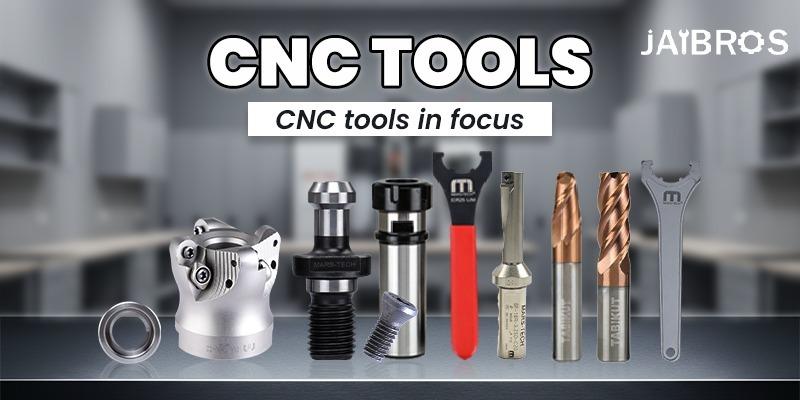
Discover what a CNC tool is, its types, uses, and benefits. This beginner guide explains CNC machining, tool holders, and cutting tools clearly. What Is a CNC Tool? Complete Beginner’s Guide Before explaining the concept of the modern manufacturing process, it is essential to explain CNC technology and CNC tools. The CNC tool is any machine tool that will cut or shape the materials of the...
Healthcare OEM Market Analysis: The global healthcare OEM market is experiencing rapid growth due to increasing demand for advanced medical devices, rising healthcare infrastructure investments, and growing adoption of digital healthcare technologies. According to the latest report by Straits Research, the global healthcare OEM market size was valued at USD 230.77 billion in...