


Soundproof Podcast Recording Studios in Lahore: What to Look For

If you've recorded a podcast episode at home and picked up traffic noise, an echo off bare walls, or your neighbor's generator kicking in mid-sentence, you already know why acoustics matter. The real question isn't whether a podcast studio in Lahore claims to be soundproof—it's whether it's actually treated correctly, and how to tell the difference before you book.
This matters even more in Lahore specifically. Between traffic noise on main roads, generator backup during load-shedding, and thin construction in many rented commercial spaces, a podcast studio in Lahore that looks quiet during a walkthrough can still pick up low-frequency rumble on a sensitive condenser microphone if it isn't properly treated. Here's what actually separates a properly treated room from one that just has some foam on the wall.
Soundproofing vs. Acoustic Treatment: They're Not the Same Thing
This is the single most misunderstood point when people search for a "soundproof" studio, and it changes what you should actually be checking for.
Soundproofing blocks sound from entering or leaving a room — thick walls, sealed doors, decoupled construction. Acoustic treatment controls how sound behaves inside the room once it's already there, using foam panels, bass traps, and diffusers to reduce echo and reflection. A room can have excellent acoustic treatment and still let outside noise bleed in if the walls and door aren't properly sealed.
Example scenario: A studio might have wall-to-wall foam panels that look impressive in photos, but if the door has a half-inch gap at the bottom or the room shares a thin wall with a busy street-facing office, traffic horns will still show up in your recording. True soundproofing requires mass, sealing, and decoupling — treatment alone won't fix a noise-leak problem.
What to Physically Check When You Visit a Studio
Don't take a studio's word for it. A short in-person visit tells you more than any marketing photo.
Do a clap test. Stand in the room and clap once, sharply. In a well-treated room, the sound should die out quickly with little to no ringing or echo tail. If you hear a noticeable "slap" or the sound bounces for a second or more, the room is under-treated.
Ask them to run the AC or generator during a test recording. Load-shedding is common enough in Lahore that any serious studio should have a backup power setup that doesn't introduce audible hum or rattle into a recording. If they can't demonstrate this, ask what happens to your session during a power cut.
Check the door and window seals. Look for weatherstripping or acoustic door seals, not just a regular commercial door. Windows should ideally be treated or covered, since single-pane glass transmits low-frequency noise easily.
|
What to Check |
Good Sign |
Warning Sign |
|
Wall treatment |
Foam panels plus bass traps in corners |
Foam only on flat wall sections |
|
Door seal |
Visible weatherstripping or acoustic seal |
Regular door with visible gaps |
|
Background noise |
Silent or near-silent with AC/equipment running |
Audible hum, hiss, or rattle |
|
Windows |
Treated, covered, or double-glazed |
Untreated single-pane glass |
|
Clap test result |
Sound dies out quickly, minimal ring |
Noticeable echo or slap-back |
Why Corners and Ceilings Matter More Than Most People Think
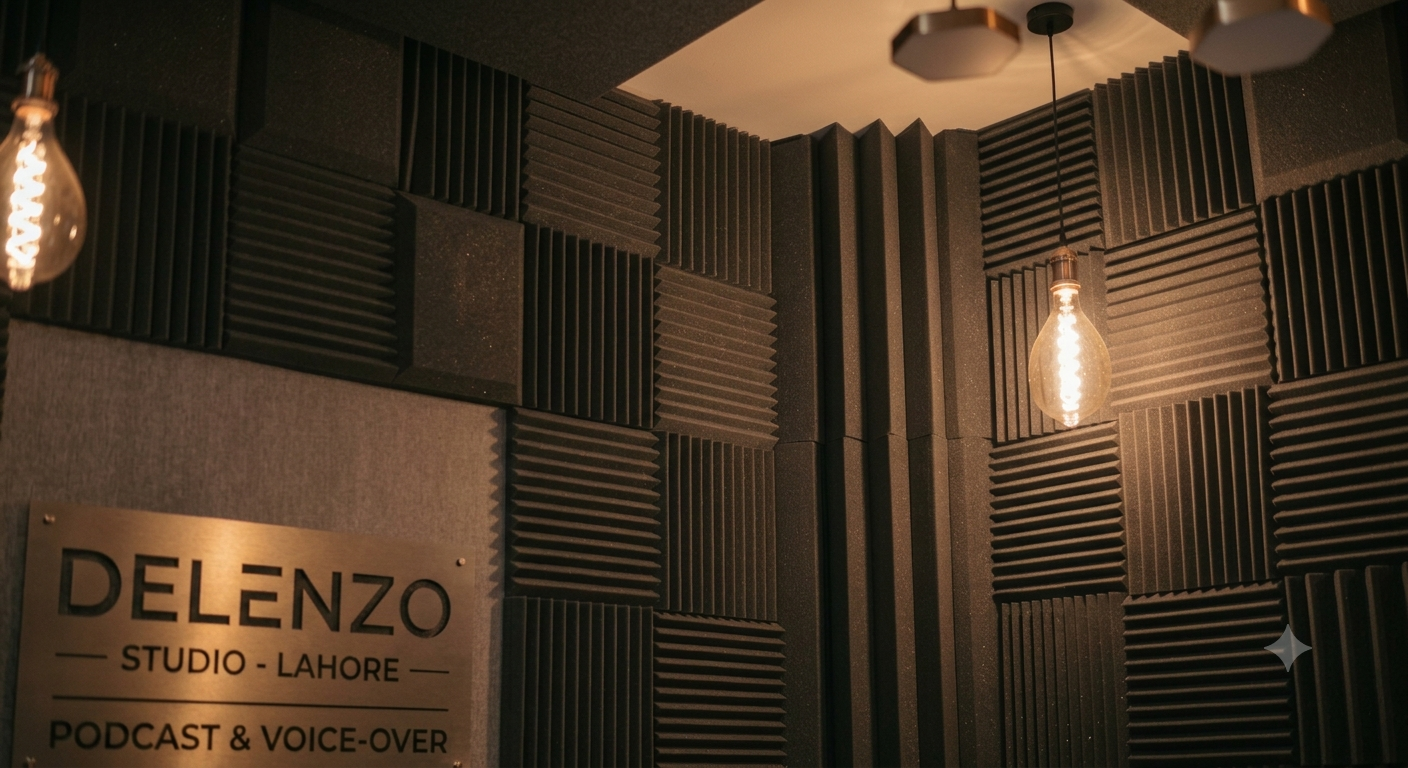
Most first-time renters focus on the walls because that's where the visible foam sits. But low-frequency buildup — the boomy, muddy sound that makes voices sound "boxy" — happens mostly in corners and where the ceiling meets the walls.
Bass traps, which are denser foam wedges placed vertically in room corners, absorb these low frequencies that flat wall panels can't catch. A room with wall foam but no corner bass traps will often still sound slightly hollow on playback, especially for lower male voices or when two hosts are speaking close together.
Example scenario: During a two-host business podcast recording, if both voices sound slightly "boomy" or like they're speaking into a barrel, that's frequently a corner bass-trapping issue rather than a microphone problem. Swapping mics won't fix it — the room needs better low-end treatment.
Ceiling Height and Room Size: The Overlooked Factor
Low ceilings and small rooms create their own acoustic problems that treatment alone can't fully solve. Sound reflects faster in a tighter space, which means echo builds up more noticeably even with decent foam coverage.
A room with at least 9 to 10 feet of ceiling height and enough floor space for hosts to sit a reasonable distance from the walls will generally sound cleaner than a small, low-ceilinged room with the same treatment quality. This is especially relevant for multi-host video podcasts where three or four people need to fit comfortably without sitting right up against a treated wall.
If you're comparing two studios with similar treatment quality, ask about room dimensions. A slightly smaller room isn't automatically worse, but it does mean the treatment has to work harder, and it's worth actually sitting in the space before booking a multi-hour session.
Multi-Room vs. Single-Room Studios
Some studios in Lahore operate out of a single treated room, while others have separate rooms for recording and control/monitoring. This affects both sound quality and workflow.
A single-room setup means the engineer or host is monitoring levels in the same space as the recording, which is fine for solo or two-person podcasts but can introduce keyboard clicks, chair creaks, or whispered instructions into sensitive mics. A separate control room, viewable through a window or on a monitor feed, keeps the recording space genuinely quiet during the session.
Example scenario: A three-host panel discussion with a producer cueing questions from a laptop is much cleaner in a two-room setup, since the producer's typing and side comments stay out of the recorded audio entirely. For a solo interview format, this distinction matters less.
Mid-Content Image Prompt #2: Realistic photo showing a view through a small glass window from a control area into Delenzo Studio treated recording room in Gulberg V, Lahore, with a mixer and monitor screen in the foreground and microphones visible on the other side of the glass, moody professional lighting, cinematic interior photography style.
Quick Checklist Before You Book a "Soundproof" Studio
Use this list on your visit or in your first message to a studio:
-
Ask for a short voice memo or clip recorded in the room, ideally with any AC or generator running.
-
Do the clap test in person if you're visiting — don't rely on photos alone.
-
Confirm the room has corner bass traps, not just flat wall foam.
-
Check the door seal and ask what happens to sound quality during a power cut.
-
Ask about ceiling height and room dimensions if you're booking for three or more people.
-
Request raw, unedited audio from a past session if the studio offers samples, so you can hear the untreated room tone yourself.
Where This Fits at Delenzo Studio
If you're weighing this checklist against studios in the Gulberg area, our podcast studio in Gulberg V, Lahore is treated with corner bass traps and sealed doors specifically to handle the traffic and power-cut issues common in the neighborhood. Book a session via WhatsApp at +92 325 1111082 or visit delenzostudio.com.pk.
A genuinely soundproof studio isn't the one with the most foam visible in its photos — it's the one that passes a clap test, handles a power cut without audible hum, and treats corners as carefully as walls. Ask for a test recording before you commit to a longer booking, and trust what you hear over what you're told. That five-minute check will save you a re-record later.
FAQs
What makes a podcast studio actually soundproof? True soundproofing comes from sealed doors, treated windows, and wall construction that blocks outside noise, combined with internal acoustic treatment like foam panels and corner bass traps. A studio needs both elements, not just visible foam on the walls, to be genuinely quiet.
How can I test if a studio is properly soundproofed before booking? Do a clap test in the room and listen for how quickly the echo dies out, and ask the studio to run any AC or backup generator during a short test recording. A quick voice memo recorded in the space will reveal more than photos or a verbal guarantee.
Do bass traps make a real difference in podcast recording quality? Yes, especially for lower voices and multi-host recordings. Bass traps in room corners absorb low-frequency buildup that flat wall foam alone can't catch, which prevents that boomy or hollow sound in recorded voices.
Does room size affect podcast recording quality? Yes. Smaller, lower-ceilinged rooms tend to produce faster sound reflections and more noticeable echo, even with good treatment. A room with at least 9 to 10 feet of ceiling height generally sounds cleaner for multi-host recordings.
Is a single-room studio worse than a studio with a separate control room? Not necessarily worse, but it can pick up incidental noise like typing or chair creaks during recording. For solo or two-person podcasts this rarely matters, but for larger panel recordings with a producer present, a separate control room keeps the audio cleaner.
الأقسام
إقرأ المزيد
Most PUBG matches are chaotic firefights where players scramble for loot, trade bullets, and try to outlast 99 opponents. But one player, going by the handle Uzick, found a much quieter path to victory: lying face-down in a grimy bathtub and walking away from the keyboard. Uzick later explained that they were called to dinner mid-match, so they just flopped into a random tub, hit record, and...

Need clean clothes in a hurry? Monaco Cleaners offers reliable same day laundry delivery Brooklyn services to fit your busy schedule. Our professional team carefully washes, dries, folds, and delivers your laundry with attention to quality and garment care. Whether it's everyday clothing, work attire, linens, or household items, we provide fast turnaround without compromising cleanliness or...
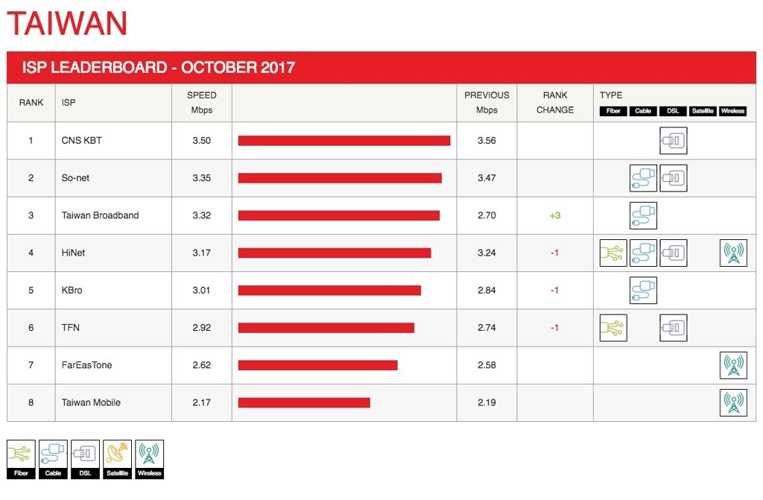
Taiwan Broadband led global ISP speed improvements in October's Netflix performance index. Its average speed surged by 0.62 Mbps, reaching 3.32 Mbps and elevating its national rank to third. Significant gains were also recorded by Israel's Xfone and Italy's Eolo-NGI, both climbing multiple spots in their respective markets. Hong Kong's SmartONE advanced five positions in the country rankings...
The GCC Pen Injectors Market is experiencing consistent growth as hospitals, specialty clinics, pharmacies, and home healthcare providers increasingly invest in advanced self-injection technologies to improve patient outcomes and treatment compliance. According to Business Market Insights, the GCC Pen Injectors Market is expected to witness steady growth during the forecast period, reaching US$...
Search behavior is changing. More people now use AI-powered platforms such as ChatGPT, Gemini, Claude, and Perplexity to research products, compare services, and discover brands. As a result, traditional search rankings are no longer the only indicator of online presence. This shift has created a new challenge for marketers: understanding how often their brand appears in AI-generated answers...
