Best Multipurpose Ladder for Home Use in India (2026)

Every Indian home eventually runs into the same problem: a ceiling fan that needs cleaning, a tube light that's gone out, a curtain rod just out of reach, or a water tank on the terrace that demands attention at the worst possible time. For years, the default response was to buy two or three separate ladders, or to make do with a wobbly plastic stool and a lot of optimism. A multipurpose ladder solves this far more elegantly — one well-built unit reconfigures to handle almost every job a household throws at it, and it folds away into the space a single ladder would normally take.
This guide covers what actually matters when choosing a multipurpose ladder in 2026, how safety standards apply in India, and which option holds up best for everyday home use.
Which Multipurpose Ladder Is Best for Indian Homes?
For most Indian households, a 10 to 12 foot aluminium multipurpose ladder that is EN131 certified to a 150 kg load offers the best balance of reach, stability, and storage. The Equal aluminium multipurpose range fits this profile closely, offering lockable hinges, anti-slip feet, and a build rated to roughly double the weight of an average adult.
What Exactly Is a Multipurpose Ladder?
A multipurpose ladder is a single foldable ladder that converts into several configurations, effectively doing the job of a step ladder, an extension ladder, a staircase ladder, and a low working platform — all in one unit. This versatility comes from its hinge system: instead of a fixed frame, the ladder is built from hinged sections that lock into place at set angles, allowing it to switch shapes to suit different tasks.
The common configurations used at home include:
- A-frame (self-supporting): The classic step-ladder shape that stands on its own in the middle of a room — ideal for ceiling fans, tube lights, and painting where there's no wall to lean against.
- Straight extension: Fully opened and leaned against a wall, useful for gutters, exterior walls, terrace parapets, and second-floor windows.
- Stairway configuration: One pair of legs set longer than the other so the ladder stands level on a staircase — a genuinely awkward problem that most single-mode ladders simply can't solve.
- Working platform/scaffold: Two sections set as a low trestle with a plank or platform plates across them, giving a stable surface for longer working stretches.
- M-shape: A stouter, lower stance used on some models for extra stability during heavier tasks.
In short, it's one tool quietly replacing three — which is exactly why it appeals to homes where storage space is limited.
Why This Type of Ladder Suits Indian Homes Specifically
A multipurpose ladder suits Indian homes because it handles a wide mix of indoor and outdoor tasks, works safely on staircases, folds flat for storage in a cupboard or under a bed, and removes the need to buy and store multiple separate ladders. For flats and compact houses where every square foot counts, that combination is hard to beat.
A few realities of Indian housing make the case on their own:
- Storage is tight. In most apartments, there's rarely room for a full-height extension ladder standing upright in a corner. A multipurpose ladder folds to a slim depth and slides into a utility cupboard, storeroom, or car boot — the Equal 10-foot model, for instance, folds to around 21 cm deep.
- Reach needs vary by home. A 10 to 12 ft ladder suits standard flats; 12 to 15 ft works better for staircases and taller ceilings; and 15 to 19 ft is suited to terrace or high-reach access, used in straight extension mode against a wall.
- Cost efficiency. One good multipurpose ladder replaces what would otherwise be two or three separate purchases.
Ladder Safety by the Numbers
Ladders feel harmless, which is exactly why so many people get hurt using them. The data tells a more sobering story. According to the US National Institute for Occupational Safety and Health (NIOSH), falls remain a leading cause of unintentional injury, and a large share of fatal falls over the past decade have involved a ladder. NIOSH attributes roughly 40% of ladder-related injuries to the ladder sliding out at the base because it was set up at the wrong angle — which is precisely why the 75-degree setup rule matters so much. NIOSH also stresses that choosing a ladder of the correct size and duty rating is central to avoiding instability and structural failure.
Importantly, these injuries aren't confined to worksites. NIOSH is explicit that many ladder injuries happen at home. A peer-reviewed trauma study from New South Wales, Australia, published in the Journal of Safety Research, found that older adults using ladders in non-work settings were the highest-risk group, with most serious falls occurring from between one and five metres — well within the range of everyday household tasks.
The pattern across the research is consistent: most ladder injuries are preventable, and they come down to two factors — the ladder you choose and the way you set it up. A stable, correctly rated, certified ladder removes a large share of the risk before you've even climbed the first rung.
It's also worth noting that India doesn't have a dedicated consumer BIS certification specifically for home multipurpose ladders. IS 3696 Part 2 covers safe use rather than product certification, which is why looking for EN131 certification — the clearest independent safety benchmark available to Indian buyers — becomes so important when choosing a ladder.
The Equal Aluminium Multipurpose Range
For reliable everyday use in India, the Equal aluminium multipurpose ladder range stands out. Every model is EN131 certified to a 150 kg load, built from corrosion-resistant aluminium alloy, and fitted with lockable hinges and anti-slip feet. The range spans 10 to 19 feet, carries a two-year warranty, and ships free across India — matching the exact specification this guide has been building toward.
Equal has been in the ladder business since 2001, and the multipurpose line reflects that focus: rather than a generic import, it's designed around how people actually work at home and on-site. A single unit converts between A-frame, straight extension, stairway, scaffold, M-shape, and working platform modes, covering the full spread of household jobs.
Multipurpose Ladder Safety Tips
Owning a good ladder is only half the job — using it correctly is the other half. A safe setup takes about thirty seconds and prevents almost every common fall:
- Set up on firm, level ground. Never place a ladder on loose tiles, a sliding rug, or uneven paving. On stairs, use the stairway configuration so all feet sit level.
- Check every hinge is locked. Confirm each lock is fully engaged before climbing, and give the ladder a gentle shake to test it.
- Get the angle right when leaning. For straight or extension mode, set the ladder at roughly a 75-degree angle — one unit of base distance from the wall for every four units of height.
- Keep three points of contact — two hands and one foot, or two feet and one hand — on the ladder at all times.
- Don't overreach. Keep your belt buckle within the width of the rails; if you need to lean out, get down and move the ladder instead.
- Respect the load limit, counting your own body weight plus any tools or materials.
- Mind electricity. Aluminium conducts, so keep the ladder clear of live wires and overhead lines, and use fibreglass ladders for direct electrical work.
- Wear proper footwear. Closed, non-slip shoes — never bare feet or slippers, which are a common cause of household slips.
The Bottom Line
A multipurpose ladder isn't a luxury purchase — for most Indian homes, it's basic infrastructure. Getting it right means choosing an EN131-certified, 150 kg-rated aluminium ladder sized to your home, and using it with the same care every time: firm footing, locked hinges, the right angle, and three points of contact. Get those fundamentals right, and a ladder purchase that could otherwise go slightly wrong becomes one of the safest, most practical investments in the house.
Catégories
Lire la suite
Measuring the performance of a press release is also important. Businesses can analyze results such as online visibility, media mentions, audience engagement, and website Press Release Distribution traffic. These insights help companies understand what strategies work best and improve future communication efforts. Imcwire supports businesses that want to maximize the impact of their...

The textile industry is changing faster than ever. Machines are becoming smarter, faster, and stronger, and factories need parts that can handle long hours, heavy workloads, and high temperatures. One modern solution that is leading this change is Aluminium Die Casting for Textile Machinery. Even a small child can understand this process by imagining melted metal being poured into a...

Oncolytic Virus Therapy Market According to the latest report published by Data Bridge Market Research, the Oncolytic Virus Therapy Market The global oncolytic virus therapy market size was valued at USD 1.12 billion in 2025 and is expected to reach USD 5.79 billion by 2033, at a CAGR of 22.80% during the forecast period All the data and information...

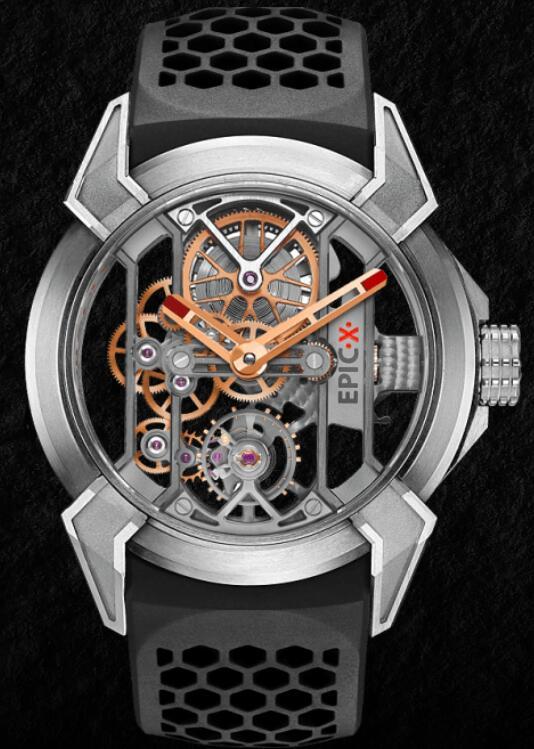
" The Call of the Wild": Jacob & Co. Epic X 44mm Chronograph Green Camouflage replica swiss watches In addition to the camouflage print, the Jacob & Co. Epic X 44mm Chronograph Green Camouflage Watch is also noteworthy for the X-shaped lugs, 200-meter water proofing, and honeycomb rubber straps. Rugged, special, and designed for adventure… navy...
Prostate health is a major concern for many men, particularly as they enter middle age and beyond. Changes in the prostate can gradually affect urinary function, resulting in symptoms such as frequent urination, weak urine flow, incomplete bladder emptying, and frequent nighttime bathroom trips. These issues can interfere with sleep, productivity, and overall quality of life. As awareness of...