Clinical Trial Optimization Fuels Sharper Life Science Marketing

Trial delays are one of the most expensive problems in drug development, and most of them have nothing to do with the science. Slow site activation, patchy patient recruitment, and disconnected data systems quietly add months to timelines that were never built with much slack to begin with. Addressing this starts with clinical trial optimization, which focuses less on the science itself and more on the operational bottlenecks that determine whether a trial finishes on schedule or drifts for another year.
Why Trials Slow Down Long Before Results Are In
The biggest delays rarely trace back to the molecule. They trace back to sites that were slow to open, enrollment criteria that were harder to meet than the protocol assumed, or data that sat unreviewed because no one owned the handoff between systems. These are operational problems, and they respond to operational fixes: better site selection using real enrollment history, protocol designs that account for patient burden, and monitoring processes that catch issues in weeks rather than months. None of this requires new science. It requires treating trial execution as seriously as trial design.
The Marketing Connection Most Teams Miss
It is easy to assume marketing only matters once a drug is approved, but that thinking leaves value on the table well before launch. Life science marketing plays a real role during the trial phase itself, particularly in patient recruitment and site engagement, where clear, credible communication can be the difference between hitting enrollment targets and missing them by months. A trial that struggles to explain itself to potential participants or referring physicians will struggle to enroll, regardless of how promising the underlying science is.
Bringing the Two Together Earlier
The companies that shorten timelines most effectively are the ones that stop treating operations and communication as separate workstreams that only intersect at launch. Applying clinical trial optimization principles to how a study is resourced and monitored, while simultaneously investing in life science marketing to support recruitment and stakeholder awareness, creates a compounding effect. Faster enrollment reduces the total cost of the trial. Clearer external communication builds the physician and patient relationships that make the eventual launch easier. Treated separately, both functions underperform. Treated as connected parts of the same timeline, they reinforce each other.
What This Looks Like in Practice
In practice, this means recruitment materials that are drafted alongside the protocol rather than after it, site support that includes communication training alongside logistics, and data review processes that surface enrollment problems in real time instead of at a quarterly checkpoint. It also means marketing teams having a seat in trial planning discussions early enough to shape how a study is positioned to the physicians and patients whose participation determines whether it succeeds. None of this is complicated in concept. It simply requires two functions that have historically operated on separate tracks to start planning against a shared timeline from day one.
Drug development will always carry scientific uncertainty that no amount of process improvement can remove. But the operational and communication delays layered on top of that uncertainty are largely avoidable. Companies that close the gap between how a trial is run and how it is communicated tend to reach their endpoints faster, spend less doing it, and walk into launch with stakeholder relationships already built rather than starting from zero.
Categorii
Citeste mai mult
Online betting has become an increasingly popular form of digital entertainment, giving users the opportunity to explore different sports and betting markets from online platforms. Mahadev Book is a betting site associated with this growing online space, offering a platform where users can explore available betting options through a digital interface. Understanding Mahadev Book Mahadev Book is...

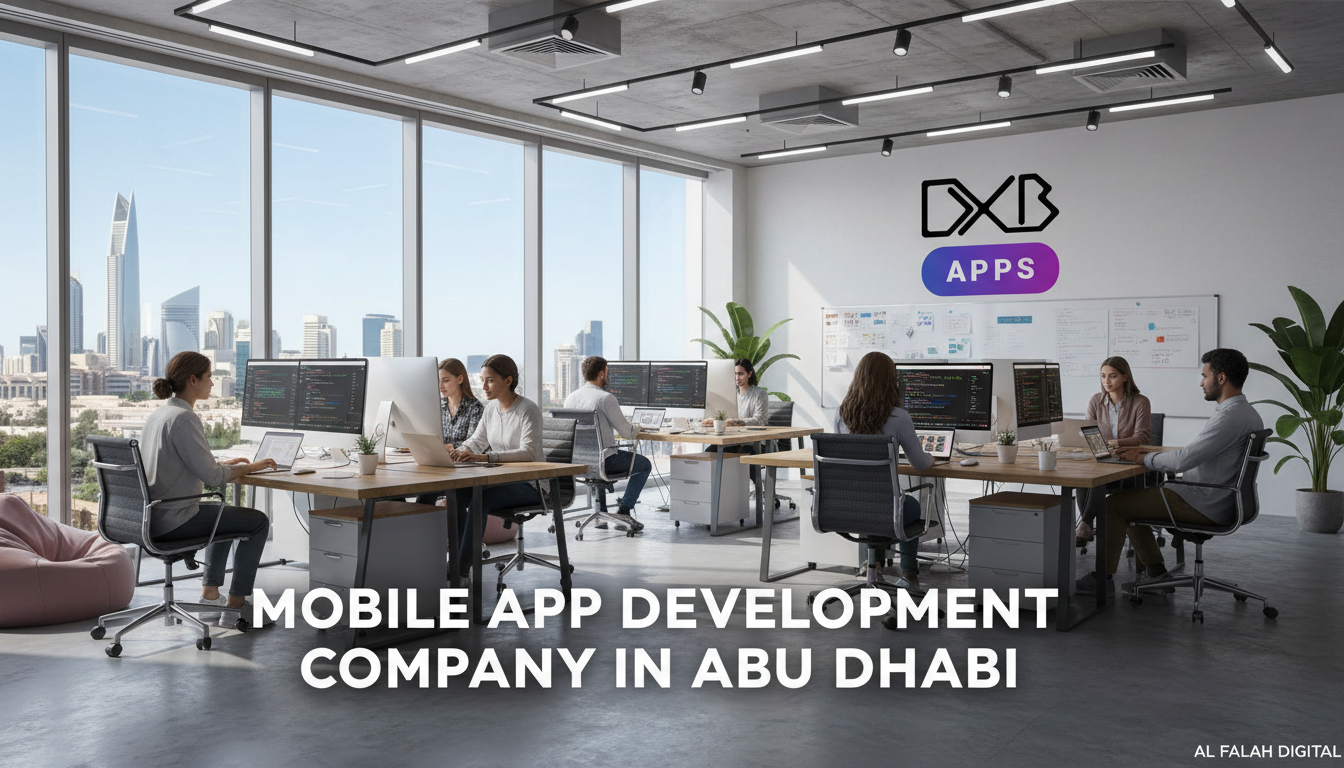
A reliable mobile app development company in Abu Dhabi plays a critical role in helping businesses build strong digital products that connect directly with customers. In today’s mobile-first world, companies across Abu Dhabi are investing heavily in mobile apps to improve customer engagement, automate operations, and increase revenue. From startups to large enterprises, every organization...
The display technology landscape is undergoing a significant transformation as businesses and consumers seek more immersive, portable, and interactive solutions. Screenless display technologies are emerging as a revolutionary alternative to traditional screens, enabling users to visualize content without relying on physical display panels. These technologies leverage innovations such as...

"Latest Insights on Executive Summary Exterior Sheathing Market Share and Size The global exterior sheathing market size was valued at USD 9.34 billion in 2025 and is expected to reach USD 13.83 billion by 2033, at a CAGR of 5.02% during the forecast period The Exterior Sheathing Market report is the best to know the trends and opportunities in Exterior...

The dream of owning a home is a powerful motivator, but for many young professionals and growing families, the initial cash requirement feels like an insurmountable wall. You might find yourself staring at real estate listings and wondering exactly how much down payment for a house is needed to get started. While the old-school advice suggested saving twenty percent, the modern...