


Is the Recovery From Same-Day Dental Implants Easier Than You Expect?
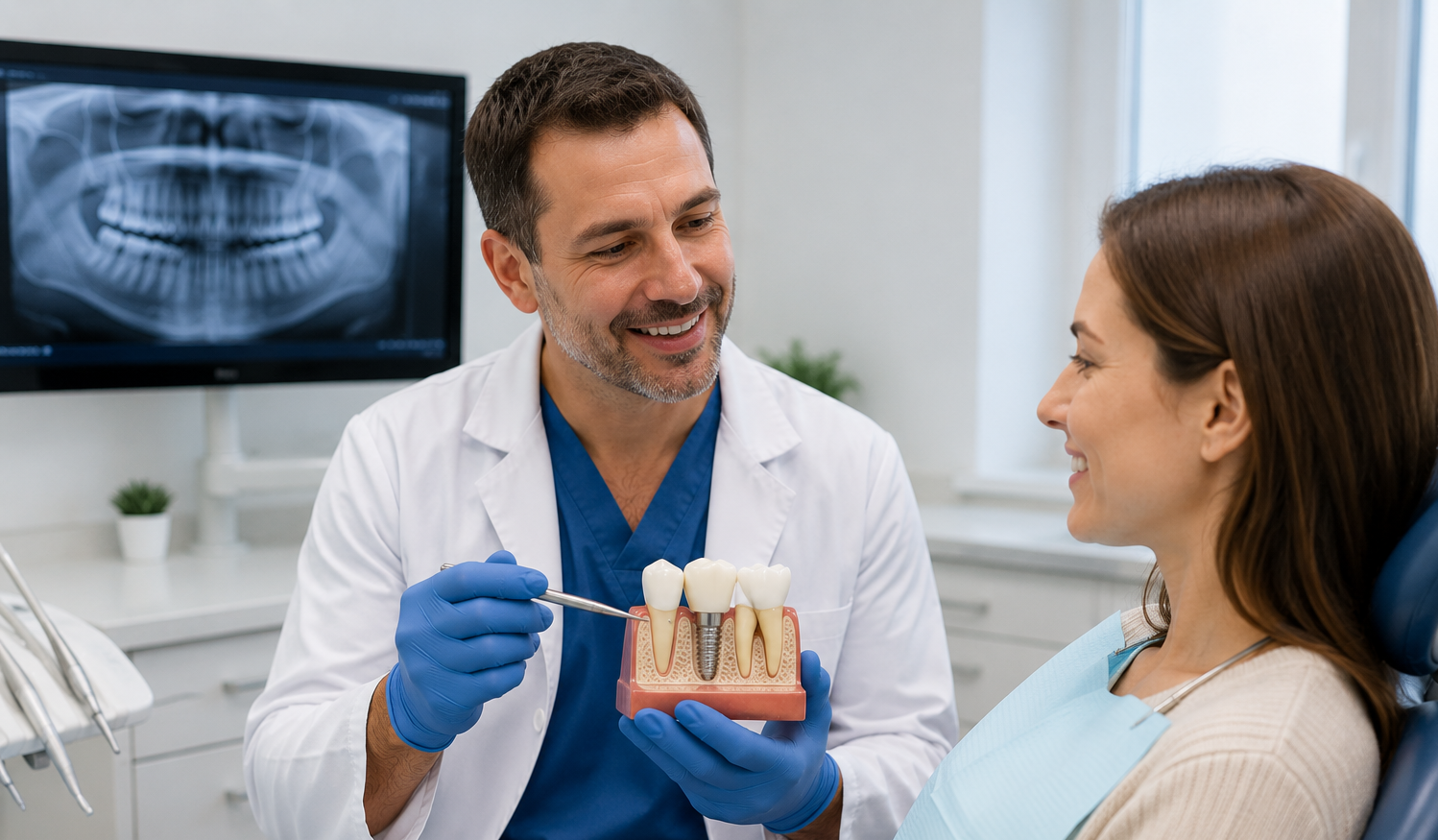
Getting a replacement tooth in a single treatment visit can sound like the entire process is finished within a day. In reality, the appointment may be quick, but recovery continues well beyond the time you leave the dental office. For people researching same-day dental implants, understanding what happens after placement is just as important as knowing how the procedure works.
The recovery period gives the implant time to integrate with the jawbone while the surrounding gums heal. During this stage, temporary changes to eating, brushing, physical activity, and daily habits may be necessary. The experience varies from one person to another, depending on the number of implants, location, bone condition, and individual healing response.
Knowing what to expect can make the recovery period more comfortable and help patients protect their new implant.
What Happens Immediately After Treatment?
The first few hours are mainly about allowing the treated area to settle.
Some patients experience mild discomfort, swelling, or sensitivity as the effects of the procedure wear off. These symptoms can vary depending on the extent of treatment.
Your dental professional may provide instructions covering:
-
Eating and drinking
-
Oral hygiene
-
Medication use
-
Physical activity
-
Temporary restoration care
-
Follow-up appointments
Following these instructions closely is one of the simplest ways to support recovery.
Is Pain Normal After Implant Placement?
Some discomfort can occur after dental implant surgery.
The level of discomfort depends on several factors, including the number of implants placed and whether additional procedures were performed.
Many patients describe the early recovery period as manageable, but individual experiences differ.
Rather than comparing your recovery with someone else's, pay attention to how your symptoms change over time. Discomfort that gradually improves is generally different from pain that becomes increasingly severe.
Swelling May Appear After Treatment
Swelling is another possible part of the early recovery period.
It may not reach its maximum immediately after the procedure and can become more noticeable during the first few days.
Simple measures recommended by your dental professional may help manage temporary swelling.
Patients should also avoid unnecessarily disturbing the treated area while it heals.
If swelling continues to increase or is accompanied by other concerning symptoms, professional evaluation is important.
Why Your Diet May Need to Change
Food choices can make a significant difference during early implant recovery.
Hard or chewy foods may place unnecessary pressure on the healing area, particularly when a temporary restoration is present.
Soft foods may be easier to manage during the initial stage.
Depending on individual instructions, options may include:
-
Yogurt
-
Oatmeal
-
Scrambled eggs
-
Soft vegetables
-
Mashed potatoes
-
Tender pasta
-
Smooth soups
-
Soft fish
The diet can usually become more varied as healing progresses and professional guidance allows.
Why You Should Avoid Testing the New Tooth
One common temptation is to test the implant by biting something hard.
Even if the replacement tooth feels secure, the implant beneath it may still be undergoing biological healing.
The jawbone needs time to integrate with the implant surface.
This is particularly important after same-day dental implants, because the immediate restoration can create the impression that the treatment is already fully complete.
It is better to follow the recommended chewing restrictions than to test the implant prematurely.
Can You Brush Your Teeth After Treatment?
Oral hygiene remains important during recovery, but the treated area may require special care.
Your dental professional can explain when and how to clean around the implant.
Depending on the procedure, you may need to avoid directly disturbing certain areas during the earliest stage.
Keeping the rest of your mouth clean is still important because plaque and bacteria can affect overall gum health.
Good hygiene becomes a long-term responsibility after implant treatment.
What About Flossing?
Cleaning between teeth is an important part of maintaining healthy gums.
However, the technique around a newly placed implant may differ from normal flossing.
Patients should follow individualized instructions regarding when to begin cleaning directly around the treated area and which cleaning tools to use.
Trying to force floss into a sensitive healing area can cause unnecessary irritation.
How Long Does the Implant Take to Heal?
The visible tooth may be restored quickly, but the implant itself requires a longer biological healing period.
During osseointegration, bone gradually develops a stable connection with the implant.
The timeline varies according to:
-
Bone quality
-
Implant location
-
Number of implants
-
Surgical complexity
-
Individual healing response
-
Whether additional procedures were performed
Your dental professional can provide a more specific estimate based on your treatment.
Why Follow-Up Appointments Matter
Follow-up visits are not simply routine appointments.
They allow the dental professional to monitor:
-
Healing tissues
-
Implant stability
-
Temporary restoration
-
Bite alignment
-
Gum condition
These checks can identify potential problems before they become more complicated.
Even if everything feels normal, attending scheduled appointments remains important.
Returning to Work
Many patients wonder how quickly they can return to normal routines.
The answer depends on the extent of treatment and the nature of the person's work.
Someone with a desk-based job may have different needs from someone whose work involves heavy physical activity.
If the procedure was extensive, additional recovery time may be recommended.
It is best to follow individualized guidance rather than assuming that every patient can return to work on the same schedule.
What About Exercise?
Physical activity may need to be limited temporarily after implant surgery.
Strenuous exercise can increase blood flow and may affect the treated area during the early recovery stage.
Patients should ask when they can safely resume:
-
Running
-
Gym workouts
-
Weightlifting
-
Contact sports
-
Other intense activities
A gradual return to exercise may be recommended.
Sleeping After Implant Placement
Some patients may find it more comfortable to adjust their sleeping position during the first few nights.
Your dental professional may provide recommendations based on the location and extent of treatment.
Keeping pressure away from the treated area can help reduce irritation.
If swelling is present, following the recommended positioning instructions may also make the first nights more comfortable.
Why Smoking Can Be a Concern
Smoking can interfere with oral healing and may negatively affect the tissues surrounding dental implants.
For patients receiving same-day dental implants, avoiding tobacco during recovery is particularly important.
Smoking can affect blood flow and contribute to an unhealthy oral environment.
If you smoke, discuss it honestly with your dental professional before treatment so that appropriate advice can be provided.
Alcohol During Recovery
Patients should follow the specific recommendations provided by their dental professional regarding alcohol after surgery.
Alcohol may be inappropriate with certain medications and can interfere with recovery in some circumstances.
Rather than assuming that a particular timeline is safe for everyone, ask when normal consumption can be resumed based on your treatment and medication plan.
Protecting the Temporary Restoration
A temporary restoration can improve appearance while the implant heals, but it may not be designed for the same forces as the final restoration.
Avoid habits that can place excessive pressure on it.
These include:
-
Biting fingernails
-
Chewing ice
-
Opening packages with teeth
-
Biting hard objects
-
Eating very sticky foods
Taking care of the temporary restoration can help protect the healing implant underneath.
What If the Temporary Tooth Feels Different?
It can take some time to become accustomed to a new restoration.
You may notice differences in:
-
Bite
-
Speech
-
Tooth shape
-
Chewing sensation
Minor adjustment can be expected as you become familiar with the restoration.
However, persistent discomfort, movement, or a noticeably uneven bite should be discussed with your dental professional.
Can Speech Change During Recovery?
If a missing front tooth has been replaced, you may initially notice a change in how certain sounds feel.
The tongue and lips may need time to adapt to the new tooth.
Most patients can gradually become accustomed to the restoration.
Reading aloud or speaking normally can help you become familiar with the new shape, but any persistent speech difficulty should be evaluated.
Signs That Should Not Be Ignored
Recovery symptoms should generally improve rather than become progressively worse.
Contact your dental professional if you experience concerning changes such as:
-
Increasing severe pain
-
Significant swelling
-
Persistent bleeding
-
Fever
-
Pus or unusual discharge
-
Movement of the implant or restoration
-
Sudden changes in your bite
Prompt evaluation can help determine whether additional treatment is necessary.
What Can Interfere With Healing?
Several factors may affect recovery.
These can include:
Poor Oral Hygiene
Plaque accumulation can contribute to inflammation around the implant.
Smoking
Tobacco can negatively affect healing and gum health.
Excessive Pressure
Heavy chewing on a healing implant can create unnecessary stress.
Ignoring Follow-Up Care
Skipping appointments may prevent early detection of potential concerns.
Poorly Controlled Health Conditions
Certain health conditions may influence healing and should be discussed before treatment.
Does Same-Day Treatment Mean Faster Overall Recovery?
Not necessarily.
The major advantage of same-day dental implants is that implant placement and, in suitable cases, a temporary restoration can occur during one treatment period.
The biological healing process still takes time.
Therefore, patients should distinguish between immediate tooth replacement and complete implant healing.
This distinction helps prevent unrealistic expectations.
How the Recovery Changes Over Time
Recovery can be viewed in stages.
The First Few Days
The focus is on controlling discomfort, protecting the treated area, and following dietary and hygiene instructions.
The Following Weeks
The tissues continue healing while the implant gradually integrates with the bone.
Later Healing
Once sufficient stability has developed, the final restoration can be completed when appropriate.
Each patient's timeline is different.
Caring for the Final Restoration
When healing is complete and the permanent restoration is placed, daily care remains essential.
Treat the implant-supported tooth as part of your overall oral hygiene routine.
Continue:
-
Brushing regularly
-
Cleaning between teeth
-
Monitoring gum health
-
Attending dental examinations
-
Following professional maintenance advice
Good long-term habits can help protect both the implant and surrounding teeth.
Preparing Before the Procedure Can Make Recovery Easier
Recovery often becomes easier when patients plan ahead.
Before receiving same-day dental implants, consider arranging:
-
Transportation if needed
-
Soft foods for the first few days
-
Recommended medications
-
Time away from strenuous activities
-
Help at home if necessary
Having these details organized can reduce unnecessary stress after treatment.
What Patients Should Remember
The biggest misconception about immediate implant treatment is that everything is completed the moment the temporary tooth is placed.
In reality, the appointment marks the beginning of an important healing phase.
The implant must become integrated with the jawbone, while the gums and surrounding tissues recover.
Your role during this period is to protect the treatment and follow professional instructions.
Conclusion
Recovery from same-day dental implants can be manageable when patients understand what to expect and follow their aftercare instructions carefully. Although a temporary tooth may be provided quickly, the implant itself continues healing beneath the gum and requires time to integrate with the jawbone. Soft foods, careful oral hygiene, limited pressure, appropriate activity levels, and regular follow-up appointments can all support the recovery process. Patients should also watch for unusual or worsening symptoms and seek professional advice when necessary. The goal is not simply to get through the first few days but to protect the implant as it develops long-term stability.
Frequently Asked Questions
1. Can I return to my normal diet immediately after implant placement?
Usually, patients need to choose softer foods initially and gradually return to normal eating according to their dental professional's instructions.
2. Is swelling expected after the procedure?
Some swelling can occur during early recovery. Increasing or unusually severe swelling should be professionally evaluated.
3. Can I exercise after receiving a dental implant?
Strenuous activity may need to be avoided temporarily. The appropriate time to resume exercise depends on the procedure and individual recovery.
4. How do I know whether my implant is healing properly?
Follow-up examinations allow your dental professional to assess healing and implant stability. Persistent pain, movement, unusual swelling, or other concerning changes should be reported.
Categorii
Citeste mai mult
Maintaining healthy blood sugar levels has become a priority for many people in 2026. With changing lifestyles, increased consumption of processed foods, and rising stress levels, blood sugar imbalance is more common than ever. As a result, natural supplements like Gluco Control are gaining popularity for their ability to support glucose management safely and effectively. If you are planning to...

Recent whispers within the Honkai: Star Rail community suggest a tantalizing hint about an upcoming crossover character, Saber, from the Fate/stay night series. Rumors indicate that her elemental affinity might be revealed in the near future, possibly aligning with her debut in the game during version 3.4. HoyoVerse's announcement last summer sparked excitement among fans by confirming a...

Are you stuck locked out of Penitent difficulty and missing its huge XP & gold bonus that drastically boosts your daily Diablo 4 Gold gains? Many players waste dozens of hours grinding blindly without knowing exact unlock rules! This step-by-step guide breaks down unlock prerequisites, prep tips and exclusive in-game perks of Penitent, sorting advice for casual, mid-game and hardcore Diablo...
In the rapidly expanding world of online entertainment, digital platforms have become increasingly popular among users looking for convenient ways to access various services. One name that has gained attention in online discussions is olxtoto . Like many modern internet-based platforms, OLXTOTO represents the broader shift toward online experiences where accessibility, technology, and...
The demand for professional cleaning services continues to rise across Canada, making a Cleaning Franchise Canada an attractive opportunity for aspiring business owners. From office buildings and retail stores to residential homes and healthcare facilities, cleaning services play a critical role in maintaining healthy and professional environments. For entrepreneurs looking to start a...