


Heparin Market Size, Share, Latest Trends, Analysis and Forecast 2026-2034
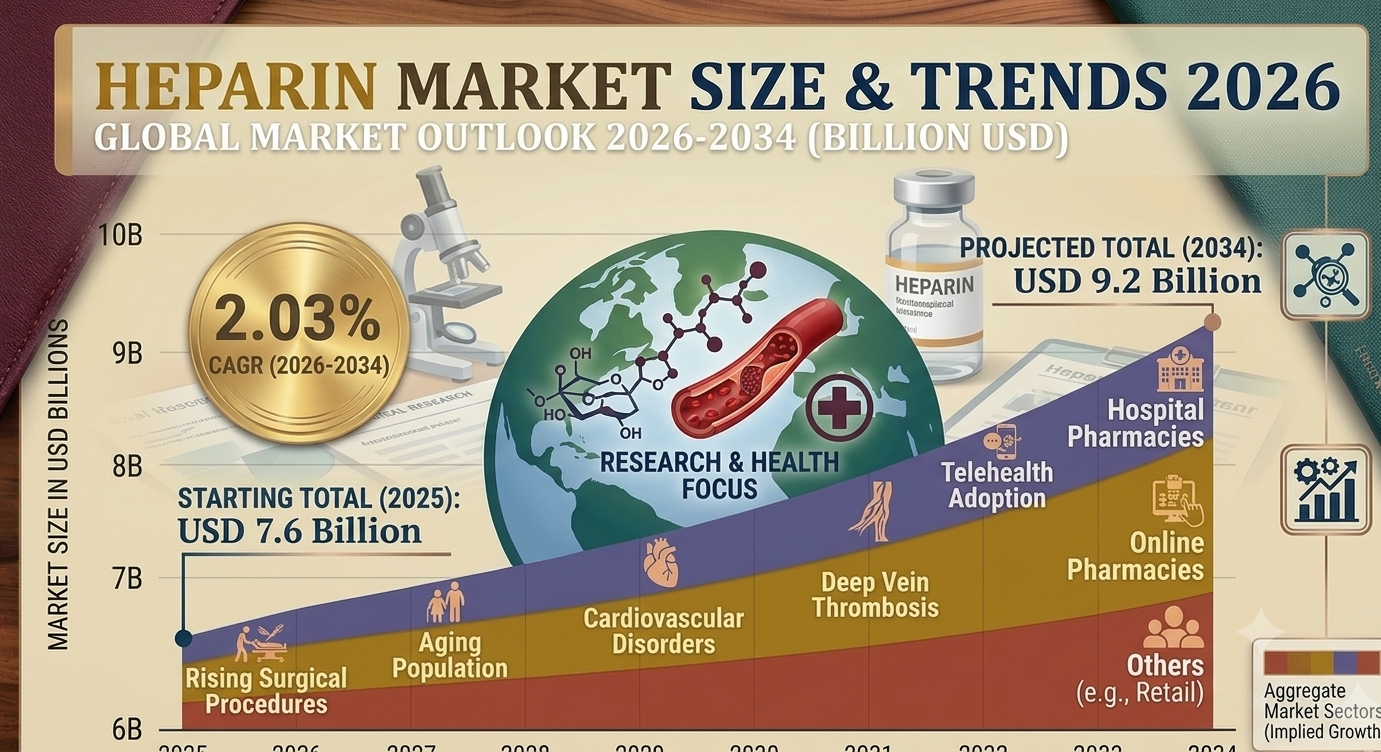
According to IMARC Group, the global Heparin Market Size was valued at USD 7.6 Billion in 2025 and is projected to reach USD 9.2 Billion by 2034, growing at a CAGR of 2.03% during 2026–2034. This steady Heparin Market Growth is anchored by the rising global burden of cardiovascular diseases, an ageing population increasingly susceptible to thromboembolic disorders, continuous advancements in heparin formulations, and expanding healthcare infrastructure across emerging economies.
Heparin Market Overview
Heparin is a naturally occurring anticoagulant polysaccharide primarily derived from porcine intestinal mucosa or bovine lung tissue. It works by activating antithrombin III, inhibiting thrombin and other clotting factors to prevent the formation and propagation of blood clots. As one of the oldest pharmaceuticals still in clinical use, heparin's safety profile and efficacy across a wide range of indications have ensured its enduring relevance.
The heparin product landscape spans three primary categories: Unfractionated Heparin (UFH), Low Molecular Weight Heparin (LMWH), and Ultra-Low Molecular Weight Heparin (ULMWH). Each category addresses distinct clinical needs — from emergency anticoagulation in hospital ICUs to outpatient prophylaxis and long-term management of thromboembolic conditions.
Key clinical applications include:
• Prevention and treatment of deep vein thrombosis (DVT) and pulmonary embolism (PE)
• Anticoagulation during cardiac surgeries, including coronary artery bypass grafting (CABG)
• Management of atrial fibrillation and acute heart attacks
• Stroke prevention in high-risk patients
• Anticoagulation during haemodialysis and renal replacement therapy
Global Heparin Market Size & Key Statistics
Below are the key Heparin Market statistics drawn from IMARC Group's comprehensive market analysis:
Base Year - 2025
Historical Period - 2020–2025
Forecast Period - 2026–2034
Heparin Market Size in 2025 - USD 7.6 Billion
Market Forecast in 2034 - USD 9.2 Billion
Market Growth Rate (2026–2034) - 2.03% CAGR
Largest Region - North America (36% share, 2025)
Leading Product Segment - Low Molecular Weight Heparin – 63.3% share (2025)
Leading Source Segment - Porcine – 90% share (2025)
Leading Application Segment - Atrial Fibrillation & Heart Attack
Leading End-User Segment - Hospitals
Leading Distribution Channel - Hospital Pharmacies
Request for a Sample Report for Detailed Heparin Market Share Evaluation: https://www.imarcgroup.com/heparin-market/requestsample
Key Market Drivers & Heparin Market Trends in 2026
Several powerful forces are shaping the Heparin Market Trends and sustaining demand for anticoagulant therapies across global healthcare systems:
1. Rising Prevalence of Cardiovascular Diseases
Cardiovascular diseases remain the leading cause of death globally, accounting for 928,741 deaths in the United States in 2020 alone. In Europe, approximately 49 million people suffer from cardiovascular conditions according to the European Heart Network. In China, CVD deaths rose from 3.09 million in 2005 to 4.58 million in 2020. This structural rise in CVD incidence directly amplifies demand for heparin as an essential anticoagulant across surgical, critical-care, and outpatient settings — a primary driver of Heparin Market Growth worldwide.
2. Growing Geriatric Population
The global elderly population is expanding rapidly, with older adults disproportionately susceptible to coagulation disorders, atrial fibrillation, DVT, and post-surgical thromboembolic complications. In the United States, approximately 129 million Americans have one or more major chronic conditions as per a 2024 report from the National Center for Chronic Disease Prevention — directly fuelling demand for anticoagulant therapies including heparin across hospital and homecare settings.
3. Continuous Technological Innovations in Heparin Production
Investments in recombinant DNA technology, advanced extraction methods, and improved purification processes are producing heparin formulations with higher purity, consistency, and safety. Momenta Pharmaceuticals is at the forefront of developing synthetic heparin to ensure contamination-free supply. Additionally, in April 2024, researchers created quality improvement measures embedded in electronic health records (EHRs) to improve treatment delivery for patients with heparin-induced thrombocytopenia — a key Heparin Market Trend enhancing clinical outcomes.
4. Expanding Surgical Procedure Volumes
With over 900,000 annual cardiac surgeries in the United States — including a substantial number of CABG procedures — heparin demand is structurally tied to global surgical activity. As surgical volumes expand globally, particularly in Asia-Pacific and Latin America, heparin consumption as an essential perioperative anticoagulant continues to rise accordingly.
5. Improving Healthcare Infrastructure in Emerging Economies
Countries across Latin America and Asia-Pacific are witnessing substantial investment in healthcare infrastructure, directly expanding access to anticoagulant therapies. India's healthcare budget for 2023–2024 was approximately USD 11.5 Billion, channelled toward infrastructure development. Local manufacturers such as Bharat Serums and Vaccines Ltd. are actively producing heparin to meet domestic and regional demand, broadening market reach and Heparin Market Growth across developing nations.
6. Growing Popularity of Heparin Alternatives and Synthetic Formulations
The rising demand for synthetic heparin alternatives addresses key supply chain vulnerabilities and safety concerns associated with animal-derived heparin. GlaxoSmithKline's Fondaparinux (Arixtra) represents a significant development, providing a consistent synthetic option for patients with sensitivities or allergies to animal proteins. The approval and development of such synthetic alternatives reinforce the broader anticoagulant market, complementing rather than displacing heparin demand.
7. Launch of Novel Products and Generic Formulations
New product launches are broadening the heparin ecosystem. In January 2024, Avenacy launched its FDA-approved generic version of Angiomax (bivalirudin) in the US — an anticoagulant targeting patients undergoing percutaneous coronary intervention (PCI) and those with heparin-induced thrombocytopenia. In February 2024, B. Braun Inc. launched 2,000 units of heparin in 0.9% sodium chloride injections, expanding ready-to-use heparin formats in clinical settings.
Key Market Segmentation
By Product
Low Molecular Weight Heparin (LMWH) – Largest Segment (63.3% Share, 2025): LMWH dominates due to its superior pharmacological profile — a more predictable anticoagulant response, longer half-life, lower risk of osteoporosis, and reduced risk of heparin-induced thrombocytopenia compared to unfractionated heparin. Sanofi's Clexane (enoxaparin) and Pfizer's Fragmin (dalteparin) are benchmark products in this segment, widely used in clinical practice for preventing and treating thromboembolic disorders.
Unfractionated Heparin (UFH): UFH retains an important role in acute, hospital-based settings where rapid anticoagulation and reversibility are paramount — particularly in cardiac surgeries, ICUs, and haemodialysis. Its low cost and decades of clinical evidence support continued adoption.
Ultra-Low Molecular Weight Heparin (ULMWH): ULMWH represents an emerging category offering further refinements in bioavailability and safety profile, with growing research interest in specific thrombotic indications.
By Source
Porcine – Dominant Source (90% Share, 2025): Porcine-derived heparin, extracted from pig intestinal mucosa, overwhelmingly dominates the market due to its biochemical similarity to human heparin and well-established manufacturing infrastructure. Pfizer's Heparin Sodium Injection is a leading porcine-derived product used extensively in hospitals globally for surgical anticoagulation, DVT prevention, and ICU management.
Bovine: Bovine-sourced heparin represents a smaller but strategically important alternative, particularly in regions with supply chain concerns around porcine products.
By Mode of Administration
Oral – Leading Mode (2025): Oral administration leads the market, reflecting the commercial success of oral anticoagulants such as Rivaroxaban (Xarelto by Bayer and Janssen), which represent breakthrough alternatives to injectable heparin for long-term outpatient anticoagulation. R&D continues to focus on true oral heparin formulations that could combine heparin's efficacy with the convenience of oral delivery.
Parenteral: Parenteral administration (intravenous and subcutaneous injection) remains critical in acute hospital settings where rapid anticoagulation onset is required — covering surgical anticoagulation, ICU management, and emergency thrombosis treatment.
By Application
Atrial Fibrillation & Heart Attack – Largest Application (2025): Atrial fibrillation, the most common cardiac arrhythmia, significantly elevates stroke risk, necessitating consistent anticoagulation therapy. During acute heart attacks, immediate heparin administration prevents further clot formation and stabilizes patients. The high and growing incidence of these conditions globally makes this the dominant application segment for heparin.
• Stroke – prevention of thromboembolic stroke in high-risk patients
• Deep Vein Thrombosis (DVT) – prophylaxis and treatment in surgical and immobilised patients
• Pulmonary Embolism (PE) – acute management and prevention of recurrence
By End-User
Hospitals – Largest End-User Segment (2025): Hospitals dominate heparin consumption due to the critical role of anticoagulation in acute care — covering cardiac surgeries, ICU management, haemodialysis, and emergency DVT/PE treatment. Pfizer's Heparin Sodium Injection is a cornerstone product across hospital formularies globally, used routinely from cardiac theatres to bedridden patient DVT prophylaxis.
• Clinics – outpatient anticoagulation management and follow-up
• Homecare Settings – growing adoption for subcutaneous LMWH self-injection
• Ambulatory Surgical Centers – perioperative anticoagulation for day-surgery procedures
By Distribution Channel
Hospital Pharmacies – Leading Channel (2025): Hospital pharmacies command the largest distribution share, providing immediate access to heparin within inpatient care pathways. Their direct integration with clinical teams, stringent quality controls, and regulatory compliance make them the primary channel for acute anticoagulation therapy. Retail pharmacies, drug stores, and online stores serve outpatient and homecare anticoagulation needs.
Regional Heparin Market Analysis
North America – Largest 36%
US & Canada; high CVD burden (129M chronic disease patients in US), advanced pharma R&D, Becton Dickinson & Pfizer leadership, 900,000+ annual cardiac surgeries
Europe ~27%
Germany, France, UK leading; 49M CVD patients (European Heart Network), Leo Pharma & Sanofi R&D investment, EMA regulatory framework, growing LMWH prescriptions
Asia-Pacific – Fastest Growing 22%
China, Japan, India, South Korea, Australia; CVD deaths rose to 4.58M in China (2020), India healthcare budget USD 11.5B (2023–24), local manufacturing expansion
Latin America ~9%
Brazil, Mexico, Colombia; CVD accounts for ~30% of all deaths (OECD), Brazil largest LatAm economy driving healthcare modernisation, growing anticoagulant adoption
Middle East & Africa ~6%
UAE, Saudi Arabia, South Africa; ~2M annual CVD deaths, Saudi Vision 2030 healthcare investment, growing surgical infrastructure, government health program support
North America commands the largest Heparin Market Share at 36% of global revenue in 2025. The United States is the anchor market, driven by the highest surgical volumes globally, the pervasive burden of chronic diseases and cardiovascular conditions, and the leadership of Becton Dickinson and Pfizer in supplying heparin across the healthcare continuum.
Asia-Pacific is the fastest-growing regional market, supported by rapidly expanding healthcare budgets, increasing CVD burden across China and India, government investment in hospital infrastructure, and the growing capacity of local manufacturers such as Bharat Serums and Vaccines Ltd. and Shenzhen Hepalink Pharmaceutical.
Connect for Detailed Heparin Market Share Segmentation Analysis – Speak to an Analyst: https://www.imarcgroup.com/request?type=report&id=1564&flag=C
Leading Players in the Heparin Industry
The global heparin market features diversified pharmaceutical giants alongside specialist manufacturers. Key companies covered in the IMARC Group report include:
- GlaxoSmithKline Plc
- Shenzhen Hepalink Pharmaceutical Co., Ltd
- Pfizer Inc.
- LEO Pharma A/S
- Sanofi S.A.
- Dr. Reddy’s Laboratories Ltd.
- Teva Pharmaceutical Industries Ltd.
- Aspen Holdings
- Baxter International Inc.
- Hebei Changshan Biochemical Pharmaceutical Co. Ltd.
- Sandoz International GmbH
- Opocrin S.p.A.
- Sichuan Deebio Pharmaceutical Co., Ltd.
- Dongying Tiandong Pharmaceutical Co. Ltd.
The report includes competitive analysis covering market structure, player positioning, top winning strategies, a competitive dashboard, and a company evaluation quadrant.
About Us
IMARC Group is a leading global market research company providing data-driven insights and expert consulting services to businesses seeking to achieve their strategic objectives. With a multi-disciplinary team of industry experts, IMARC delivers thorough, reliable market intelligence across sectors including Aerospace and Defense, Healthcare, Technology, Chemicals, Energy, Food & Beverages, and more.
Contact Us
IMARC Group
United States: +1-201-971-6302
India: +91-120-433-0800
United Kingdom: +44-753-714-6104
Categories
Read More
At Vantage Plumbing and Heating, we specialize in crafting bespoke bathrooms in Letchworth that are designed to reflect your unique style and meet your exact needs. Whether you're looking to completely renovate your space or simply refresh it, our expert team is here to turn your bathroom dreams into reality. We believe that your bathroom should be more than just functional; it should be a...

Polaris Market Research has introduced the latest market research report titled Building and Construction Sheets Market Size, Share, Trends, Industry Analysis Report: By Product, Function, Application, Distribution Channel (Direct and Dealer), End Use, and Region (North America, Europe, Asia Pacific, Latin America, and Middle East & Africa) – Market Forecast,...
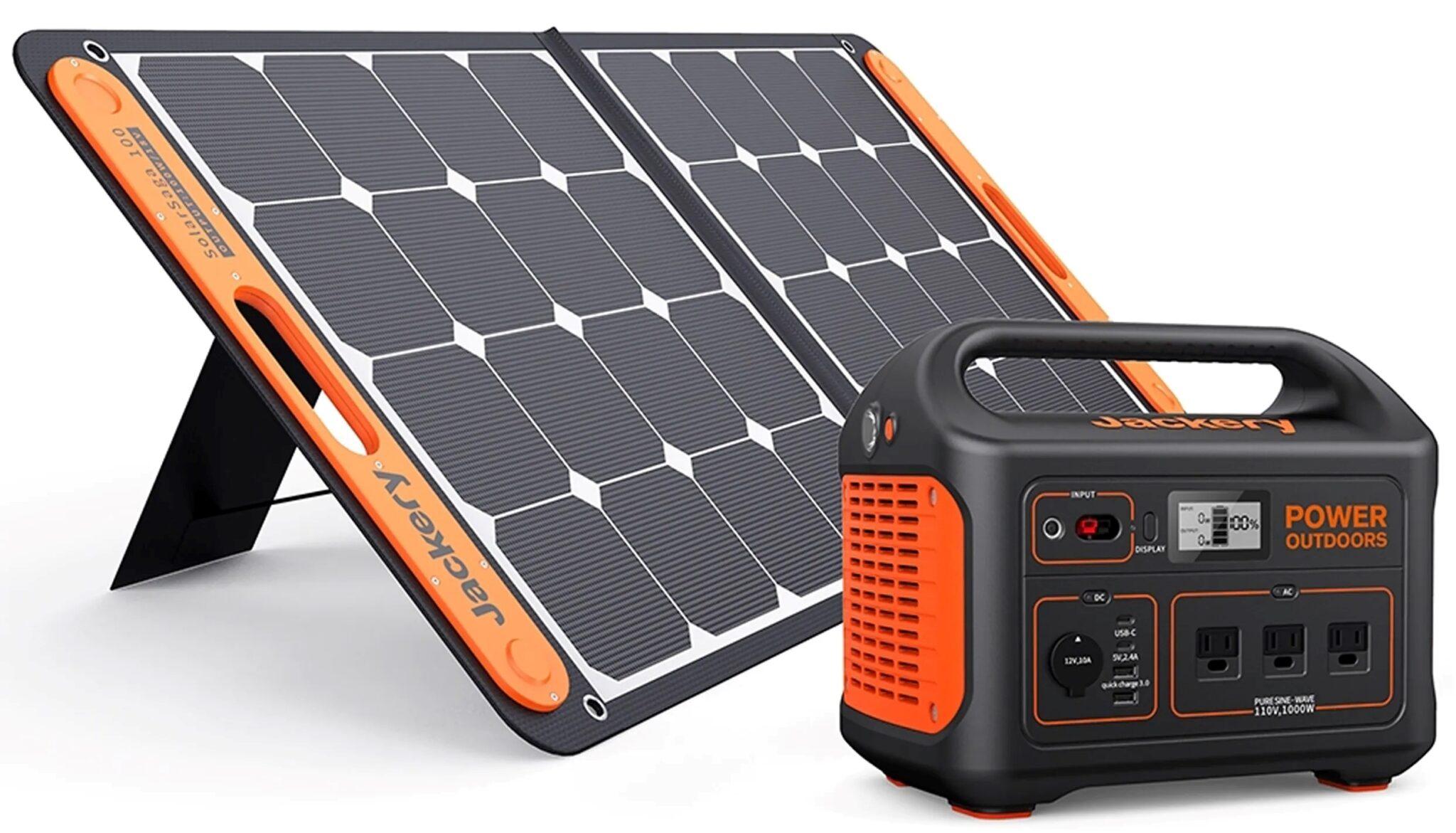
Selecting the miglior generatore solare has developed into priority if you are wanting to strength their homes, backyard escapades, or perhaps urgent matters along with neat and alternative energy. Pv turbines provide a basic, mobile, in addition to eco-friendly replacement for regular fuel-powered machines. In the middle of this developing requirement, lots of buyers are generally...
Agriculture is the backbone of India's economy, and every successful crop begins with high-quality seeds. Choosing the right seeds company in India can make a significant difference in crop health, productivity, and profitability. Farmers today look for seed companies that offer reliable products, consistent quality, and dependable customer support. Hindustan Seeds & Pesticides is committed...
"Keyword Market Summary: According to the latest report published by Data Bridge Market Research, the Ocular Pain Market The global Ocular Pain market size was valued at USD 1.12 billion in 2024 and is expected to reach USD 2.02 billion by 2032, at a CAGR of 7.8% during the forecast period This Ocular Pain Market document encompasses several market aspects such as market...
