Weight Loss Therapy Beyond Dieting: How Behavior Can Change Long-Term Results

What if the biggest obstacle to weight management is not knowing what to eat, but understanding why you eat the way you do? Many people know that balanced nutrition and regular exercise matter, yet maintaining these habits can remain difficult. Stress, emotional triggers, sleep patterns, routines, and learned behaviors can influence everyday choices. This is why weight loss therapy can look beyond food and focus on the behaviors that shape long-term weight management.
A sustainable approach recognizes that eating is connected to many parts of daily life. Instead of depending entirely on strict meal plans or temporary restrictions, behavioral strategies can help individuals understand their habits and gradually replace patterns that interfere with their goals.
The Connection Between Habits and Weight
Daily behavior often becomes automatic. Eating breakfast at a certain time, reaching for a snack while watching television, ordering takeout after a busy day, or having dessert after dinner can become routines performed with little conscious thought.
These habits are not necessarily harmful by themselves. Problems can arise when they regularly contribute to excessive calorie intake or make balanced eating difficult.
Behavior-focused support can help identify these routines and understand what triggers them. Once a pattern becomes visible, it can be easier to decide whether a small adjustment could make it healthier.
Why Knowing What to Do Is Not Always Enough
Weight-loss advice is widely available. People can easily find information about healthy foods, calorie intake, exercise routines, and portion sizes. Yet information alone does not guarantee consistent behavior.
Someone may understand that vegetables and protein can be part of a balanced meal but still choose highly processed foods during stressful evenings. Another person may know that exercise is beneficial but struggle to fit it into a demanding schedule.
The challenge is often translating knowledge into repeated action. Weight loss therapy can focus on the practical and psychological factors that influence this transition.
Recognizing Emotional Eating Patterns
Food can sometimes become a response to emotions rather than physical hunger. Stress, frustration, boredom, loneliness, or fatigue may increase the desire for highly palatable foods.
Recognizing emotional eating does not mean judging yourself for having these behaviors. Instead, awareness can help reveal when and why they occur.
A person might notice that cravings appear after difficult meetings, late at night, or whenever they feel overwhelmed. Understanding the pattern creates an opportunity to develop alternative responses, such as taking a short walk, practicing relaxation techniques, talking to someone, or simply pausing before eating.
Learning to Respond to Cravings
Cravings are common and do not necessarily indicate a lack of willpower. Certain foods, environments, emotions, and routines can create strong associations that encourage eating.
Behavioral strategies may help individuals learn to manage cravings without automatically acting on every urge. Delaying a response, changing the environment, drinking water, eating a balanced meal, or identifying an emotional trigger may sometimes reduce the intensity of a craving.
The goal is not necessarily to eliminate every preferred food. Learning moderation and flexibility can make an eating plan easier to maintain.
Mindful Eating and Greater Awareness
Mindful eating encourages people to pay attention to the experience of eating. This can include noticing hunger, fullness, taste, texture, pace, and emotional state.
Eating while distracted by television, phones, work, or other activities can make it harder to recognize when enough food has been consumed. Slowing down and paying attention may improve awareness of physical signals.
Mindful eating does not require complicated techniques. Simple actions, such as eating without distractions or taking time between bites, can encourage greater awareness over time.
How Stress Can Influence Food Choices
Stress can disrupt healthy routines in several ways. A stressful day may reduce the time available for meal preparation, increase cravings, or make exercise feel less appealing.
People may also rely on convenient foods when mentally exhausted. These choices can become repetitive if stress remains high.
A comprehensive approach can therefore include stress-management strategies. Better planning, regular physical activity, adequate rest, relaxation exercises, and realistic daily expectations may help reduce some of the pressures that contribute to unhealthy habits.
Sleep Is Part of the Behavioral Picture
Sleep is closely connected with daily energy, appetite, mood, and decision-making. When people consistently sleep poorly, maintaining healthy routines may become more difficult.
Fatigue can reduce motivation for exercise and increase reliance on convenient foods. Establishing consistent sleep and wake times, creating a relaxing bedtime routine, and reducing unnecessary nighttime distractions may support better rest.
Although improving sleep alone is not a weight-loss solution, it can be an important component of a broader lifestyle strategy.
Replacing All-or-Nothing Thinking
Some people approach weight management with rigid thinking. They may believe that eating one unhealthy meal means the entire day is ruined or that missing one workout means they have failed.
This all-or-nothing mindset can create a cycle of guilt followed by abandoning healthy habits.
Behavioral support can encourage a more flexible perspective. One high-calorie meal does not erase previous progress, just as one workout does not determine overall fitness. Returning to healthy routines at the next opportunity can be more productive than waiting for a “perfect” restart.
Creating Habits That Fit Real Life
A behavior change is more likely to last when it fits naturally into a person's routine. A complicated meal plan may look effective on paper but become impractical during busy weeks.
Small adjustments can sometimes be more sustainable. Preparing ingredients ahead of time, keeping nutritious snacks available, taking short walking breaks, or planning meals before a busy day can reduce reliance on last-minute decisions.
The objective is to make healthy choices easier to repeat rather than requiring constant willpower.
Building a Healthier Relationship With Food
Weight management should not necessarily involve labeling foods as completely good or bad. Such rigid categories can increase feelings of restriction and make certain foods seem even more desirable.
A balanced approach can allow flexibility while emphasizing nutrient-rich foods most of the time. Learning portion awareness and recognizing satisfaction can help individuals enjoy food without feeling that every choice must be perfect.
This perspective can be particularly useful for long-term maintenance because it allows healthy eating to coexist with social occasions and personal preferences.
The Role of Self-Monitoring
Self-monitoring can increase awareness of everyday behaviors. Depending on individual preferences, this may involve tracking meals, physical activity, sleep, hunger levels, or situations that trigger overeating.
The purpose is not to create anxiety around food. Instead, tracking can reveal patterns that might otherwise go unnoticed.
For example, someone may discover that late-night snacking occurs primarily on days when lunch is skipped. Another person may notice that eating tends to increase after nights of inadequate sleep.
These observations can guide practical changes.
Accountability Can Support Consistency
Changing established behaviors can be challenging without feedback. Regular professional support can provide accountability while helping individuals adjust goals as their circumstances change.
Progress does not always mean a lower number on the scale. Improved meal consistency, greater physical activity, fewer emotional eating episodes, or better sleep can also represent meaningful changes.
Recognizing these improvements may strengthen motivation and encourage continued effort.
What Makes Behavioral Support Different?
Traditional dieting often emphasizes what a person should eat. Behavioral approaches also explore what happens before, during, and after eating.
This can include identifying triggers, examining routines, understanding thoughts about food, improving coping strategies, and creating an environment that supports healthier decisions.
Through weight loss therapy, these behavioral factors can become part of a broader strategy rather than being treated as separate concerns.
Making Progress Without Seeking Perfection
Long-term weight management rarely follows a perfectly predictable path. Holidays, travel, illness, stressful periods, celebrations, and changes in routine can affect eating and activity patterns.
A sustainable strategy allows room for these situations. Instead of attempting to avoid every disruption, individuals can learn how to return to their routine afterward.
This resilience can be more valuable than maintaining perfect consistency. The ability to recover from setbacks helps prevent temporary challenges from becoming permanent changes in behavior.
When Behavioral Support May Be Valuable
Behavior-focused support may be particularly useful for people who repeatedly experience emotional eating, difficulty controlling portions, frequent dieting cycles, inconsistent routines, or frustration after setbacks.
It may also help individuals who understand basic nutrition but struggle to translate that knowledge into everyday behavior.
A qualified healthcare professional can assess personal circumstances and determine whether behavioral strategies, nutritional guidance, medical treatment, or a combination of approaches may be appropriate.
Conclusion
Weight management involves more than calories and exercise. Habits, emotions, stress, sleep, cravings, routines, and thought patterns can all influence daily decisions. Addressing these factors may make healthy changes more sustainable.
Weight loss therapy can provide a structured environment for understanding behaviors and developing practical alternatives. Rather than demanding perfection, behavioral strategies encourage awareness, flexibility, consistency, and the ability to recover from setbacks.
The most meaningful changes are often those that become part of everyday life. By focusing not only on what is eaten but also on why, when, and how eating happens, individuals may develop skills that support healthier choices well beyond the initial weight-loss period.
FAQs
Can behavior really affect weight management?
Yes. Eating patterns, physical activity, sleep habits, stress responses, and daily routines can influence energy intake and expenditure. Understanding these behaviors may help identify opportunities for sustainable changes.
Is emotional eating the same as overeating?
Not always. Emotional eating refers specifically to eating in response to emotions rather than physical hunger. It can sometimes contribute to overeating, but the two terms do not mean exactly the same thing.
Does mindful eating require avoiding favorite foods?
No. Mindful eating is primarily about awareness. It can help individuals recognize hunger, fullness, enjoyment, and eating triggers without requiring particular foods to be completely eliminated.
How can someone stay motivated during slow progress?
Focusing only on the scale can make slow periods frustrating. Tracking behavioral improvements, maintaining realistic goals, recognizing small successes, and reviewing obstacles can help maintain motivation over time.
Nach Verein filtern
Read More
Slot777 has emerged as a popular name in the world of online gaming and entertainment, attracting players who are looking for excitement, variety, and rewarding experiences. This platform stands out for its combination of classic slot machine charm and modern digital technology. Whether you are a beginner curious about online gaming or an experienced player seeking fresh thrills, Slot777 offers...

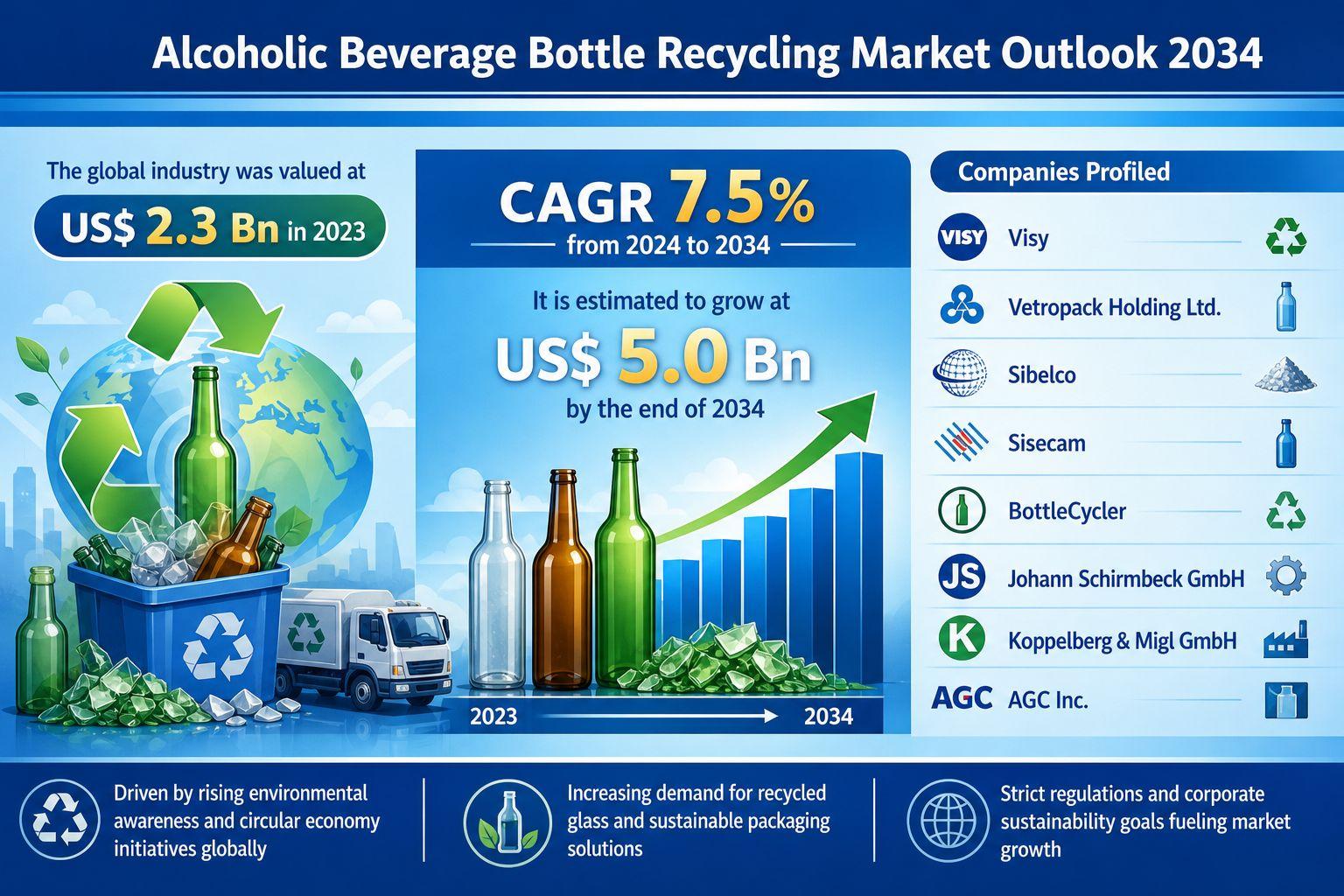
The global alcoholic beverage bottle recycling market is emerging as a crucial pillar within the circular economy, driven by sustainability commitments, regulatory frameworks, and growing environmental awareness. Valued at US$ 2.3 Bn in 2023, the market is projected to expand at a steady CAGR of 7.5% from 2024 to 2034, reaching approximately US$ 5.0 Bn by the end of the forecast period. The...
The architectural landscape is filled with structures that tell a story, yet few manage to capture the imagination quite like historic residential masterpieces. When you step onto the grounds of a preserved estate, you are not just looking at wood, brick, and mortar. Instead, you are stepping back into a specific era of design, craftsmanship, and human history. To truly appreciate how past...

In recent years, the global IoT Solutions for Micromobility Market has undergone a transformative journey, fueled by evolving consumer demands, cutting-edge innovations, and an increasing focus on sustainability. Our comprehensive IoT Solutions for Micromobility Market Research Report unveils key strategic insights, highlighting growth trends, market dynamics, competitive...

In today’s fast-paced digital world, users have countless options when choosing online platforms and services. With so many competitors offering similar features, standing out from the crowd requires innovation, reliability, and a commitment to user satisfaction. This is where bc55 has managed to create a strong reputation. By focusing on user experience, advanced functionality,...