


7 Day Diet Plan For Weight Loss: How Portion Sizes Affect Your Progress
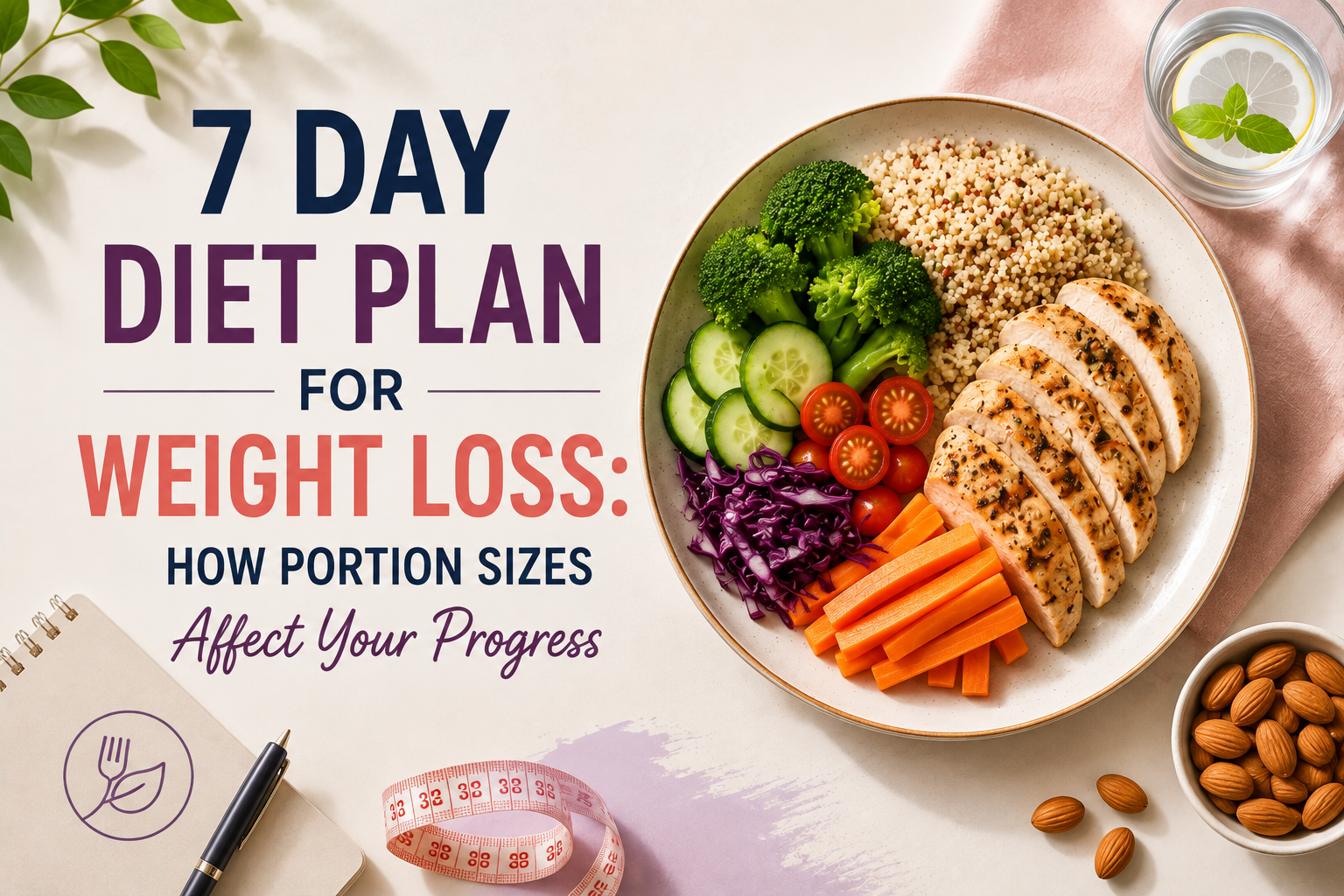
When people start a 7 Day Diet Plan For Weight Loss, they often focus only on what they should eat. But there is another important part of healthy eating that is easy to overlook: how much you eat.
Even nutritious foods can contribute more calories than your body needs when portions become too large. On the other hand, eating portions that are too small may leave you hungry and make it difficult to stay consistent. Understanding portion sizes can therefore make a weight-loss plan more practical and sustainable.
Why Portion Size Matters for Weight Loss
Weight management isn't determined by a single food or meal. Your overall eating pattern matters. Large portions can gradually increase your total calorie intake, especially when foods are energy-dense.
For example, a meal containing vegetables, protein, whole grains, and healthy fats can be nutritious, but the amount of each food still matters.
A balanced 7 Day Diet Plan For Weight Loss should focus on both food quality and appropriate portions rather than unnecessary restriction.
Portion Size vs. Serving Size
These terms are often used interchangeably, but they are not exactly the same.
A serving size is a standardized amount listed on a food label or nutrition guide. A portion is the amount you actually choose to eat.
Your portion may be larger or smaller than the listed serving size. Becoming aware of this difference can help you make more informed food choices.
Build a Balanced Plate
One of the simplest ways to manage portions is to think about the overall balance of your plate rather than weighing every ingredient.
A practical meal can include:
- Plenty of vegetables
- A source of protein
- A suitable portion of whole grains or other carbohydrates
- A small amount of healthy fat
This approach provides variety and can help make meals more satisfying.
Protein Can Help You Stay Satisfied
Including protein in your meals is useful when following a weight-loss plan. Depending on your dietary preferences, options can include dal, beans, chickpeas, paneer, tofu, eggs, fish, or lean meats.
Combining protein with vegetables and fiber-rich carbohydrates can create a more filling meal and may make it easier to manage unnecessary snacking.
Don't Ignore Healthy Foods
A common misconception is that foods such as nuts, seeds, avocado, or healthy oils can be eaten without considering quantity because they are nutritious.
These foods can absolutely be part of a balanced diet, but they are also relatively energy-dense. Paying attention to portions allows you to enjoy them while keeping your overall meals balanced.
Use Simple Visual Portion Cues
You don't always need a weighing scale to understand portions. Simple visual cues can make everyday eating easier.
For example, you can use your plate, bowls, or hand measurements as practical guides. The exact amount you need will vary depending on your individual nutritional requirements, activity level, and health goals.
The objective is to become more aware of your portions rather than becoming overly focused on numbers.
Watch Out for Liquid Calories
Portion awareness isn't limited to solid foods. Beverages can also contribute significant calories, particularly sugary drinks, sweetened coffees, shakes, and other high-calorie beverages.
Water, unsweetened drinks, and other lower-calorie options can be useful choices when working toward weight-management goals.
Avoid the “All or Nothing” Mindset
A seven-day plan should not become an excuse for extreme restriction. Eating a larger meal occasionally does not mean your entire progress is lost.
Instead of skipping the next meal or drastically cutting your food intake, simply return to your usual balanced routine.
Consistency over time is more valuable than trying to follow a perfect diet for a few days.
Portion Control Should Fit Your Lifestyle
Everyone has different nutritional needs. Your ideal portions may depend on factors such as age, activity level, body composition, health conditions, and individual goals.
This is why a 7 Day Diet Plan For Weight Loss should be treated as a starting structure rather than a universal prescription.
A personalized plan can help determine appropriate portions while ensuring that your meals remain nutritionally balanced.
Final Thoughts
Portion size can have a significant influence on your overall eating pattern, but weight loss should never be about eating as little as possible. The goal is to create balanced meals, recognize appropriate portions, and develop habits that you can continue beyond seven days.
A well-planned 7 Day Diet Plan For Weight Loss should help you understand your eating habits while encouraging sustainable choices. At The Eat Well Plate- Best Dietitian in Chandigarh, personalized nutrition guidance can help you build a practical approach based on your lifestyle, food preferences, and individual goals.
Catégories
Lire la suite
The global Ceiling Tiles Market is witnessing substantial growth as the construction industry increasingly adopts innovative ceiling systems that combine aesthetics, functionality, acoustic performance, and sustainability. Growing investments in residential housing, commercial buildings, healthcare facilities, educational institutions, hospitality projects, and industrial...

Netflix is set to premiere an original documentary exploring the extraordinary journey of Parchís, the iconic Spanish children's musical ensemble that captivated audiences far beyond Spain's borders and left an indelible mark on the global music landscape. The film presents deeply personal accounts from all five members—Yolanda, David, Tino, Gemma, and Frank—who reflect on...

Il poker online gratis senza registrazione è una delle opzioni più apprezzate dagli appassionati di giochi di carte che desiderano divertirsi senza creare un account o effettuare depositi. Questa modalità consente di accedere rapidamente a tavoli virtuali e iniziare a giocare in pochi secondi, utilizzando crediti virtuali anziché denaro reale. Grazie alla...

Online Teacher Training Courses with Certificate – Build a Successful Teaching Career from Anywhere The education sector is evolving rapidly, and professional teaching skills are more important than ever. If you are looking for Online Teacher Training Courses with Certificate, you can now gain valuable teaching qualifications, practical knowledge, and recognized certification...

Your eyes are among the most vital organs, providing one of the primary ways you experience the world. Good eye health is essential for daily activities, productivity, and overall quality of life. Yet, many people neglect their eyes, leading to strain, fatigue, or long-term conditions like cataracts, glaucoma, or age-related macular degeneration. Maintaining eye health requires a...