Branding First, Ads Second: How Real Estate Marketing Agencies Build Long-Term Growth

The instinct when a project needs to sell is almost always the same — get ads live, fast. Understandable, but often backwards. Strong real estate brand marketing built before the first ad ever runs tends to produce campaigns that get cheaper and more effective over time, while ads launched on top of an unsettled or inconsistent brand tend to plateau, or even get more expensive, the longer they run.
This isn't an argument against ads. It's an argument about sequence — what needs to be true before ad spend actually compounds, instead of just buying temporary attention.
Why "Ads First" Feels Right But Often Isn't
Ads Show Fast Results, Branding Doesn't
A campaign can generate leads within days. Branding work — figuring out the real story, the visual identity, the consistent voice — takes longer and doesn't produce an immediate, countable number. Under pressure to show quick results, branding is the piece that gets skipped or rushed, even though it's what determines how efficiently every future ad rupee gets spent.
Inconsistency Gets Expensive Over Time
Ads run without a settled brand often end up with messaging that shifts from campaign to campaign, chasing whatever seems to be working that month. Each shift means starting over with the audience's trust, instead of building on what's already been established — a quiet, recurring cost that never shows up as a single obvious mistake.
What "Branding First" Actually Requires
A Clear, Specific Story, Not Just a Logo and Colors
Genuine real estate brand marketing starts with something specific and true about the project or developer — history, design philosophy, a genuine reason this project exists where it does — not a generic set of visual assets applied after the fact. This story is what every future ad, landing page, and piece of content should trace back to.
Consistency Across Every Touchpoint Before Scaling Spend
Before significant ad budget goes live, the visual identity, tone, and core messaging should already be consistent across the website, social presence, and any existing content. Launching heavy ad spend on top of an inconsistent foundation just means paying to build awareness of something that isn't settled yet.
How This Changes What Ads Actually Accomplish
Ads Reinforce Instead of Introduce
Once branding is settled, ads stop being the buyer's first and only impression — they reinforce a story that's already partially familiar from other touchpoints. This tends to improve engagement and lower cost over time, since the platform's algorithm rewards ads that people actually respond to, and familiarity drives stronger response.
Retargeting Becomes More Effective
A prospect retargeted with consistent branding recognizes the project immediately. A prospect retargeted with visually or tonally different creative each time has to re-evaluate from scratch every single time, which weakens the compounding effect retargeting is supposed to provide.
Branding-First vs Ads-First, Side by Side
| Factor | Ads-First Approach | Branding-First Approach |
|---|---|---|
| Initial speed to results | Faster | Slower |
| Cost efficiency over time | Tends to plateau or worsen | Tends to improve as recognition builds |
| Retargeting effectiveness | Weaker, inconsistent impressions | Stronger, reinforcing impressions |
| Messaging consistency | Often shifts month to month | Anchored to a settled brand story |
| Long-term brand value | Minimal, campaign-specific | Compounds across future projects too |
A Realistic Example
Consider a developer launching ad campaigns immediately upon breaking ground, with messaging and visuals adjusted frequently based on whichever creative seemed to be performing that week. Engagement stayed inconsistent, and cost per lead climbed gradually over several months with no clear compounding benefit. A second project from the same developer took a different approach — spending several weeks settling on a clear brand story and consistent visual identity before any paid spend began. Campaigns launched afterward showed steadily improving efficiency over time, as the same consistent identity reinforced itself across every touchpoint instead of resetting with each new creative variation.
Why This Matters Even More for Developers Running Multiple Projects
A Strong Brand Foundation Carries Forward
Developers running one project at a time can sometimes get away with rebuilding branding for each new launch. For digital marketing for real estate companies managing several projects simultaneously or in succession, a settled brand foundation carries real value forward from one launch to the next, rather than starting from zero every time.
Efficiency Compounds Across a Portfolio, Not Just One Campaign
A consistent brand identity across a developer's full portfolio means audiences who've engaged with one project already carry some familiarity into the next, which is a genuine, ongoing advantage that ads-first, project-by-project branding never builds.
What This Doesn't Mean
It's Not "Never Run Ads Early"
This isn't an argument for waiting months before any advertising happens. It's an argument for having a settled, consistent core story and identity in place before spend scales up significantly — a lighter branding pass can happen relatively quickly if done deliberately, rather than skipped altogether.
It's Not a One-Time Task Either
Branding built once and never revisited can drift out of sync with a growing or changing project over time. The branding-first principle applies at the start, but staying consistent requires ongoing attention as campaigns evolve, not just a single upfront exercise.
Expert Insight: What Experienced Marketers Notice
Marketers who've worked across both approaches consistently describe the same pattern — campaigns launched on a settled brand tend to show a visible efficiency curve, getting incrementally cheaper and more effective over months, while campaigns launched without that foundation tend to stay flat, or require constantly fresh creative just to maintain the same level of performance. This pattern shows up most clearly in digital marketing for real estate companies managing several campaigns in parallel, where the compounding effect of a settled brand becomes obvious across an entire portfolio, not just one project.
FAQs
Does branding-first mean delaying ads for months? Not necessarily. A focused branding pass — settling on a clear story, visual identity, and core messaging — can often be completed relatively quickly if done deliberately, rather than requiring months of delay before any advertising begins.
How does branding actually make ads cheaper over time? Consistent, recognizable branding tends to improve engagement, since audiences respond more readily to something familiar. Better engagement is typically rewarded by ad platforms with improved delivery efficiency and lower costs.
Is branding-first more important for developers running multiple projects? Yes, since a settled brand foundation carries value forward across future launches, rather than being rebuilt from scratch for each new project the way an ads-first approach often requires.
Can branding be adjusted after ads have already launched? It can, but doing so essentially resets some of the consistency and familiarity already built with the audience, which is part of why settling the brand before scaling ad spend tends to be more efficient overall.
What's the minimum branding work needed before running ads? At minimum, a clear and specific project story, a consistent visual identity, and core messaging that stays the same across whatever channels are used — enough consistency that a prospect sees the same story wherever they encounter it.
Conclusion
Ads can move fast, but fast isn't the same as efficient over time. A settled brand story, built before spend scales up, is what actually lets advertising compound instead of just buying temporary, disconnected attention campaign after campaign. For developers thinking beyond a single project's launch, this isn't just a nicer way to market — it's the foundation that makes every future campaign, and every future project, work harder than the last one.
Категории
Больше
Where to Buy 3D Wall Panels Wholesale: Tips for Bulk Discounts Are you planning a large renovation or commercial interior upgrade? If so, buying bulk 3D Wall Panels for large projects can help you save money, simplify installation, and maintain a consistent design throughout your space. Whether you are remodeling office interiors, upgrading rental units, or completing a multi-room...
Clients expect faster delivery. Competition is increasing every month. Development timelines are getting shorter, but client expectations are getting bigger. At the same time, agencies are struggling with hiring developers, managing workloads, handling revisions, and maintaining profit margins. This is why many development agencies are quietly changing how they build client projects. Instead of...

Magnesium turnings are becoming increasingly valuable across modern manufacturing as industries focus on lightweight materials, metal recycling, alloy production, and sustainable resource utilization. Produced as a by-product during the machining of magnesium components, these turnings are widely reused in metallurgical operations, chemical processing, and specialty industrial applications....

The polystyrene market is a vital segment of the global plastics industry, widely recognized for its versatility, lightweight nature, and cost-effectiveness. Polystyrene (PS) is a synthetic aromatic polymer made from styrene monomers and is extensively used in packaging, construction, electronics, and consumer goods. As industries continue to prioritize efficient, durable, and...

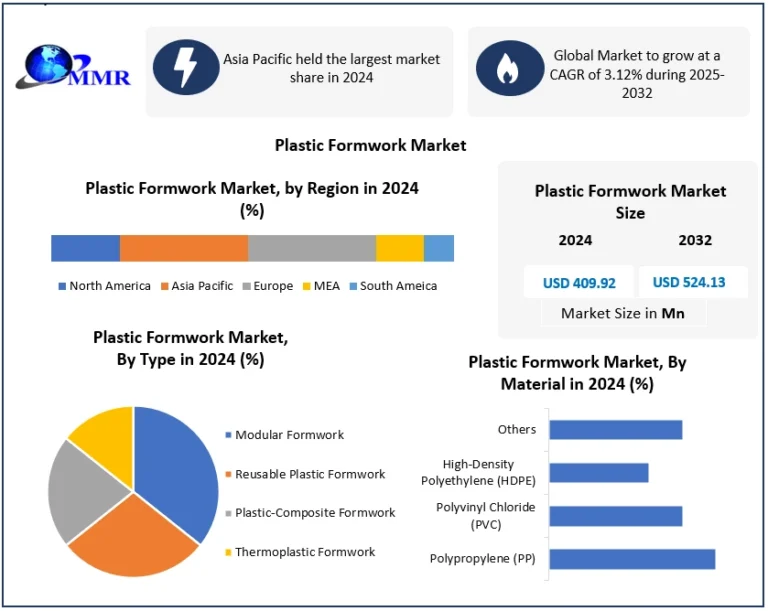
Market OverviewThe global Plastic Formwork Market is experiencing consistent growth, driven by the increasing emphasis on sustainable and high-performance construction solutions. The market is projected to grow at a notable CAGR during the forecast period, supported by rapid urbanization, infrastructure expansion, and rising demand for cost-effective building materials.Plastic formwork systems...