PRP Hair Treatment in Abu Dhabi: What to Expect

Hair thinning can gradually affect your appearance and confidence, especially when you begin noticing more hair on your pillow, in your brush, or during a shower. While hair loss has many possible causes, modern aesthetic treatments offer different approaches to support healthier-looking hair. One popular option is PRP hair treatment in Abu Dhabi, a minimally invasive procedure designed to support existing hair follicles.
PRP stands for platelet-rich plasma. The treatment uses a concentrated portion of your own blood that contains platelets and naturally occurring growth factors. After preparation, this plasma is introduced into selected areas of the scalp.
If you are considering PRP for hair thinning, knowing what happens before, during, and after the procedure can make the experience more comfortable. Understanding realistic expectations is equally important because hair growth takes time and results can vary between individuals.
What Is PRP Hair Treatment?
PRP hair treatment is a non-surgical procedure that uses components obtained from your own blood to support the scalp and existing hair follicles.
A small blood sample is collected and processed to separate platelet-rich plasma. The concentrated plasma is then carefully applied to areas affected by thinning hair.
Unlike a hair transplant, PRP does not move hair follicles from one area of the scalp to another. Instead, the treatment is intended to create a supportive environment for existing follicles.
This makes PRP an option that many people consider when they want a minimally invasive approach to early or moderate hair thinning.
What Happens Before PRP Treatment?
Initial Hair and Scalp Assessment
Before starting treatment, your scalp and hair should be assessed. The evaluation may consider:
- Hair density
- Pattern of hair loss
- Scalp condition
- Areas of thinning
- Hair growth history
- Possible causes of hair loss
Understanding why your hair is thinning is important because PRP may not be suitable for every type of hair loss.
Discussion of Your Goals
Your treatment goals should also be discussed before the procedure.
Some people want to improve the appearance of thinning areas, while others are primarily concerned about maintaining existing hair. Clear expectations can help determine whether PRP is appropriate for your situation.
Treatment Preparation
You may receive specific instructions before your appointment. These can vary depending on your individual circumstances and the professional providing the treatment.
Following preparation instructions carefully can help make the treatment process smoother.
What Happens During PRP Hair Treatment?
The actual procedure usually involves several simple stages.
Step 1: Blood Collection
A small amount of blood is collected from your arm.
This is similar to having a routine blood sample taken. The collected blood is then prepared for the next stage.
Step 2: Blood Processing
The sample is placed into specialized equipment that separates its components.
The goal is to obtain a platelet-rich portion of plasma containing concentrated platelets and growth factors.
Step 3: Preparing the Scalp
The treatment area is cleaned before the PRP is introduced. Depending on the treatment approach, a comfort measure may be used to make the procedure easier to tolerate.
Step 4: PRP Application
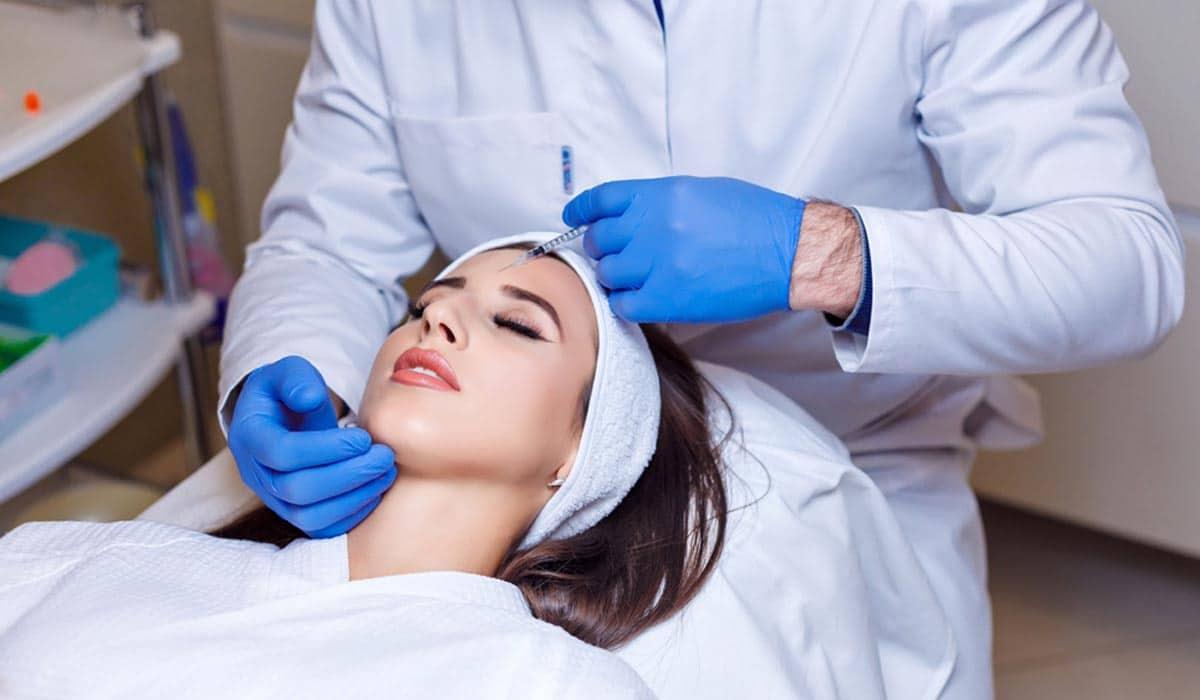
The prepared PRP is delivered into targeted areas of the scalp using small injections.
The treatment focuses on areas where hair thinning or reduced density has been identified.
The number of injections depends on the size and condition of the treatment area.
Does PRP Hair Treatment Hurt?
Because PRP involves small injections into the scalp, you may experience some mild discomfort.
Sensitivity can vary depending on the individual and the area being treated. Some people describe the sensation as brief pinching or pressure.
Comfort measures may be available during treatment. Discussing sensitivity concerns before your appointment can help ensure that suitable measures are considered.
How Long Does the Treatment Take?
The duration of a PRP session can vary.
The appointment includes more than just the scalp injections because blood collection and preparation of the PRP are also part of the process.
Factors that can affect treatment time include:
- Size of the treatment area
- Amount of PRP required
- Number of targeted areas
- Individual treatment plan
Your provider can give you a better estimate during your consultation.
What Can You Expect Immediately After Treatment?
After PRP hair treatment in Abu Dhabi, some temporary scalp reactions may occur.
These can include:
- Mild redness
- Tenderness
- Slight swelling
- Sensitivity
- Minor bruising
These effects are generally temporary. Your individual recovery experience can depend on your skin sensitivity and the treatment technique used.
You should follow the aftercare instructions provided after your session.
PRP Hair Treatment Recovery
One of the reasons PRP is attractive to many people is that it is minimally invasive and generally involves less recovery than surgical hair restoration procedures.
You may be able to return to normal activities relatively quickly, depending on your individual situation and the instructions provided.
However, the scalp may remain slightly sensitive for a short period. Avoiding unnecessary irritation and following professional aftercare advice can help support recovery.
What Aftercare Should You Follow?
Aftercare recommendations can differ, but general guidance may include keeping the scalp clean according to the instructions provided and avoiding unnecessary irritation.
You may also be advised to temporarily avoid certain activities or hair products.
Do not scratch, rub, or aggressively massage the treated areas unless specifically instructed to do so.
Following your personalized aftercare plan is important because everyone's scalp and treatment response can be different.
When Will You See Results?
One of the most important things to understand about PRP hair treatment in Abu Dhabi is that results are not immediate.
Hair grows through natural cycles, and follicles need time to respond. Some people may initially notice changes in hair shedding or texture before seeing more visible improvements.
Over time, treatment may support improved hair density and healthier-looking hair in suitable candidates.
The timeline can vary according to:
- Cause of hair loss
- Age
- Hair follicle condition
- General health
- Treatment schedule
- Individual response
A series of sessions may be recommended rather than relying on one treatment.
How Many PRP Sessions Are Needed?
There is no universal number of sessions that works for everyone.
A treatment plan may depend on your degree of thinning, hair loss pattern, scalp condition, and response to treatment.
Some individuals may receive an initial series followed by maintenance treatments. The purpose of maintenance is to continue supporting the condition of the scalp and existing follicles.
Your treatment provider can recommend a schedule based on your specific needs.
Who Can Benefit From PRP?
PRP may be considered for people experiencing certain types of hair thinning, particularly when viable hair follicles are still present.
Potential candidates may include people experiencing:
- Early hair thinning
- Reduced hair density
- Pattern-related hair loss
- Weak-looking hair
- Gradual loss of volume
However, advanced hair loss may require a different approach. A professional assessment is essential before deciding whether PRP is suitable.
PRP for Men and Women
Both men and women may consider PRP for hair thinning.
Men may seek treatment for thinning around the hairline or crown, while women may experience more diffuse thinning or a widening part.
Because hair loss has different causes, treatment should be based on the individual's condition rather than simply whether the patient is male or female.
Benefits of PRP Hair Treatment
There are several reasons why PRP has become a popular hair restoration option.
Potential PRP hair treatment in Abu Dhabi benefits include:
- Minimally invasive treatment
- Uses the patient's own blood components
- No surgical hair transplantation required
- Targets existing hair follicles
- Generally involves limited downtime
- Can be customized for different areas of the scalp
- May be incorporated into a wider hair restoration plan
Results vary, and PRP should not be viewed as a guaranteed cure for hair loss.
PRP Compared With Hair Transplantation
PRP and hair transplantation serve different purposes.
A hair transplant involves moving hair follicles from a donor area to another part of the scalp. PRP does not relocate follicles.
Instead, PRP aims to support the existing follicles.
For someone with early thinning and viable follicles, PRP may be worth considering. For extensive permanent hair loss, transplantation or another treatment may be more appropriate.
In certain treatment plans, different approaches may also be combined.
How to Prepare for Your Treatment
Preparing for your session can help make the experience easier.
Before treatment, discuss any medications, supplements, scalp conditions, allergies, or previous hair treatments with your provider.
You should also follow any specific instructions given to you before the appointment.
Most importantly, have realistic expectations. PRP is designed to support hair restoration rather than instantly create a full head of hair.
Frequently Asked Questions
Is PRP hair treatment suitable for everyone?
No. PRP may not be appropriate for every type or stage of hair loss. A professional assessment can help determine whether you are a suitable candidate.
Can I return to work after PRP?
Many people can resume routine activities relatively quickly, but this depends on the treatment and your individual response. Follow the specific aftercare instructions provided.
Does PRP permanently restore lost hair?
PRP does not guarantee permanent restoration. It is intended to support existing follicles, and ongoing treatment or other approaches may be recommended.
Can PRP be used with other hair treatments?
Depending on the cause of hair loss and your treatment goals, PRP may be combined with other approaches. This should be determined through professional evaluation.
Are results the same for everyone?
No. Results can differ according to genetics, the cause of hair loss, follicle condition, age, overall health, and response to treatment.
Conclusion
Knowing what to expect can make your hair restoration journey much more comfortable. PRP hair treatment in Abu Dhabi offers a minimally invasive approach that uses platelet-rich plasma from your own blood to support existing hair follicles and the scalp environment.
The procedure involves blood collection, preparation of platelet-rich plasma, and targeted application to areas of thinning. Although recovery is generally straightforward, visible changes take time because hair growth naturally occurs in cycles.
If you are considering PRP, choosing an appropriate treatment provider and receiving a proper assessment should be your first priorities. Tajmeels clinic can be considered when exploring professional options for hair restoration. With realistic expectations, appropriate aftercare, and a treatment plan suited to your needs, PRP may become a valuable part of a broader approach to improving the appearance of thinning hair.
Categorie
Leggi tutto
Content creator Trick has released an investigative video alleging that a Discord server named Radiant House operates an organized boosting, win-trading, and account-sale scheme targeting NA VALORANT at the Immortal+ level. According to Trick, the server is run by owners and administrators, supported by high-budget recurring clients referred to as 'bosses,' and staffed by boosters who fulfill...

Agriculture land for sale near Vrindavan is attracting attention from investors, farmers, and nature-loving buyers who want more than just land—they want long-term value, peace, and purpose. Located close to the sacred city of Vrindavan, this region offers fertile soil, calm surroundings, and growing development, making it one of the most promising destinations for agricultural land...

" According to the latest report published by Data Bridge Market Research, the Diabetic Macular Edema (DME) Market Global diabetic macular edema (DME) market size was valued at USD 3.33 billion in 2024 and is projected to reach USD 4.34 billion by 2032, with a CAGR of 3.36% during the forecast period of 2025 to 2032. A comprehensive Diabetic Macular Edema (DME) Market research...

Botox injections is widely recognized as a popular aesthetic and medical approach that focuses on relaxing specific facial and muscular areas to achieve smoother appearance and functional relief in selected conditions. This treatment is known for its ability to temporarily reduce the appearance of expression lines while also supporting certain therapeutic needs such as muscle-related...
INTRODUCTION Televisions are important entertainment devices used daily for watching movies, news, sports, online streaming content, and educational programs. Modern Smart TVs contain advanced display technology, processors, software systems, and electronic circuits that may occasionally require servicing or technical support. Many customers contact VU TV Service Center to know whether...