


Non-Fused Disconnect Switches Are Becoming the Physical “Pause Button” of Electrification as Data Centers, Factories and Distributed Energy Reshape Power Infrastructure

Non-Fused Disconnect Switches Are Becoming the Physical “Pause Button” of Electrification as Data Centers, Factories and Distributed Energy Reshape Power Infrastructure
Electricity infrastructure is being redesigned around a simple requirement: power must not only reach equipment, it must also be possible to stop that power quickly, visibly and safely.
That requirement is putting Non-Fused Disconnect Switches into a surprisingly important position across modern electrical infrastructure. A disconnect switch does not need sophisticated software, a communications network or a semiconductor control system to perform its core function. It creates a physical isolation point between an electrical source and downstream equipment.
The infrastructure story becomes clearer when power systems are viewed as layers. A large industrial facility may receive power at medium voltage, distribute it through transformers, feed low-voltage switchboards, route circuits into motor-control centers and finally deliver electricity to individual machines. Every transition creates potential isolation requirements.
Non-Fused Disconnect Switches occupy this final-mile protection-and-isolation architecture particularly effectively where overcurrent protection is already provided elsewhere.
The infrastructure equation is changing
Consider a manufacturing facility with 10 production lines, each containing 20 major electrically powered assets. That is approximately 200 major loads before smaller pumps, fans, conveyors, control cabinets and auxiliary systems are counted.
If only one central isolation point existed, maintenance would require a much larger portion of the facility to be shut down. If individual machines instead have dedicated disconnecting points, maintenance can become localized.
The quantitative benefit is straightforward.
Suppose a production line consumes 500 kW and contains 20 major machines. Isolating one 25 kW machine instead of the entire 500 kW line means only about 5% of the line's connected load needs to be disconnected for that maintenance activity.
That difference affects uptime, maintenance planning and operational risk.
Non-Fused Disconnect Switches therefore become part of an infrastructure strategy in which electrical isolation follows equipment boundaries rather than merely building boundaries.
This is especially relevant as industrial facilities become more distributed. Modern factories can contain hundreds or thousands of motors, drives, compressors, pumps, heaters and automated machines. Each additional electrically powered asset increases the number of potential isolation points required by the operating architecture.
Why the “non-fused” configuration matters
The technical distinction is important.
A fused disconnect combines switching and fuse-based overcurrent protection. A Non-Fused Disconnect Switches configuration primarily provides a means of disconnecting electrical power, while overcurrent protection is typically positioned elsewhere in the circuit.
That separation can simplify equipment architecture when the upstream protective device is already appropriately sized.
Imagine a motor circuit protected upstream by a circuit breaker rated for the installation. A local disconnect near the motor does not necessarily need another fuse set simply to provide a visible local isolation point.
The result can be a cleaner arrangement with fewer duplicated protective components.
The economics also become relevant at scale. If a facility has 400 motors and each motor requires a local isolation device, even a small difference in installation complexity multiplied across 400 locations can influence project cost, installation hours and maintenance inventory.
This is where Non-Fused Disconnect Switches move beyond being simple electrical components. They become infrastructure units repeated hundreds of times across a facility.
Data centers create another high-density use case
Data centers are an even more interesting application because electrical infrastructure is becoming increasingly dense.
A modern data center can operate with thousands of electrical loads distributed across power distribution units, cooling systems, pumps, fans, battery systems, mechanical equipment and auxiliary infrastructure.
The key metric is not simply total power consumption. It is the number of physical electrical boundaries that operators need to control.
Suppose a facility contains 100 major mechanical loads and each load has multiple serviceable electrical components. A maintenance strategy that requires local isolation can potentially prevent an entire cooling or distribution segment from being unnecessarily de-energized.
In a 10 MW facility, even a small percentage of unnecessarily disconnected infrastructure can represent hundreds of kilowatts or megawatts of temporarily unavailable electrical capacity.
Non-Fused Disconnect Switches can therefore support a philosophy of selective isolation: disconnect the equipment being serviced, while keeping unrelated infrastructure energized.
This becomes increasingly important as data centers move toward higher rack densities and larger cooling loads.
Renewable energy adds more physical boundaries
Distributed energy infrastructure is also changing the application map.
Solar installations, battery energy storage systems, electric-vehicle charging infrastructure and microgrids introduce additional electrical generation and distribution points.
A commercial building that once had one primary electrical entrance can now have grid supply, rooftop solar, battery storage and EV charging operating within the same overall electrical ecosystem.
Each source creates additional switching and isolation requirements.
For example, a facility with a 1 MW rooftop solar installation and a 500 kW battery system has at least 1.5 MW of additional generation/storage capacity beyond its conventional utility supply. The engineering challenge is not simply connecting these assets. Operators must also be able to isolate them during maintenance, fault investigation or equipment replacement.
This creates additional demand for clearly defined disconnecting points.
Non-Fused Disconnect Switches can fit into these architectures where separate upstream protection is already designed into the system.
The application map is moving from “one building, one switch” to hundreds of local boundaries
The evolution of electrical infrastructure can be visualized through three stages.
Older facilities often emphasized centralized distribution.
Second-generation facilities added local motor disconnects and equipment-level isolation.
Modern facilities increasingly require a network of localized electrical boundaries because automation, distributed generation and electrification have multiplied the number of powered assets.
That means the relevant infrastructure metric is changing from “number of buildings electrified” to “number of electrically isolated assets.”
A 50,000-square-foot factory with 100 major electrical assets may require a fundamentally different isolation architecture from a similarly sized warehouse containing only 20 major powered systems.
The building footprint is identical.
The electrical complexity is not.
This distinction explains why Non-Fused Disconnect Switches can benefit from industrial electrification even without becoming a technologically sophisticated product themselves.
The Staticker market lens
According to Staticker, the Non-Fused Disconnect Switches market is projected to expand from its 2026 market-size base through the forecast period, reflecting continued deployment across industrial electrical distribution, commercial facilities, machinery, distributed energy systems and other equipment-level isolation applications. The market trajectory is closely connected to the expansion of electrical infrastructure, equipment counts and the increasing requirement for localized service isolation rather than simply to replacement demand for switches.
Motors remain one of the largest practical application engines
Motors create an enormous equipment-level requirement because they are distributed throughout nearly every industrial environment.
A medium-sized industrial facility can easily operate hundreds of motors across pumps, fans, conveyors, compressors, mixers and processing machinery.
If 300 motors each require one local disconnect, the electrical architecture already contains 300 equipment-level switching locations.
Now consider a larger automated plant with 2,000 motors.
At that scale, the disconnect population becomes an infrastructure quantity rather than a component quantity.
Every motor location creates considerations around enclosure type, current rating, environmental exposure, installation position, operating frequency and maintenance accessibility.
Non-Fused Disconnect Switches therefore follow the physical expansion of motorized infrastructure.
The same pattern appears in HVAC systems. A commercial building may contain dozens of air-handling units, rooftop units, pumps and exhaust systems. A hospital, airport or large shopping complex can multiply those numbers several times.
The more distributed the mechanical infrastructure becomes, the more valuable localized isolation becomes.
The next infrastructure shift is electrification density
Electrification is increasing the number of electrical assets per square meter.
Factories are replacing combustion-based processes with electric heating and electrically driven equipment. Warehouses are installing automated conveyors and charging systems. Commercial buildings are adopting heat pumps. Data centers are expanding cooling infrastructure. Transport facilities are deploying EV charging.
If a facility doubles its number of electrically powered assets without doubling its physical footprint, its electrical isolation density effectively doubles.
That is the underlying theme behind Non-Fused Disconnect Switches.
The component is relatively simple.
The infrastructure around it is becoming dramatically more complex.
As electrical systems become more distributed, the ability to establish a clear physical boundary around individual equipment increasingly becomes part of the design logic—not an afterthought added during maintenance.
And that is why the humble disconnect switch is becoming an increasingly visible piece of the electrification story.
Request for customization: https://staticker.com/reports/non-fused-disconnect-switches-market/
Catégories
Lire la suite
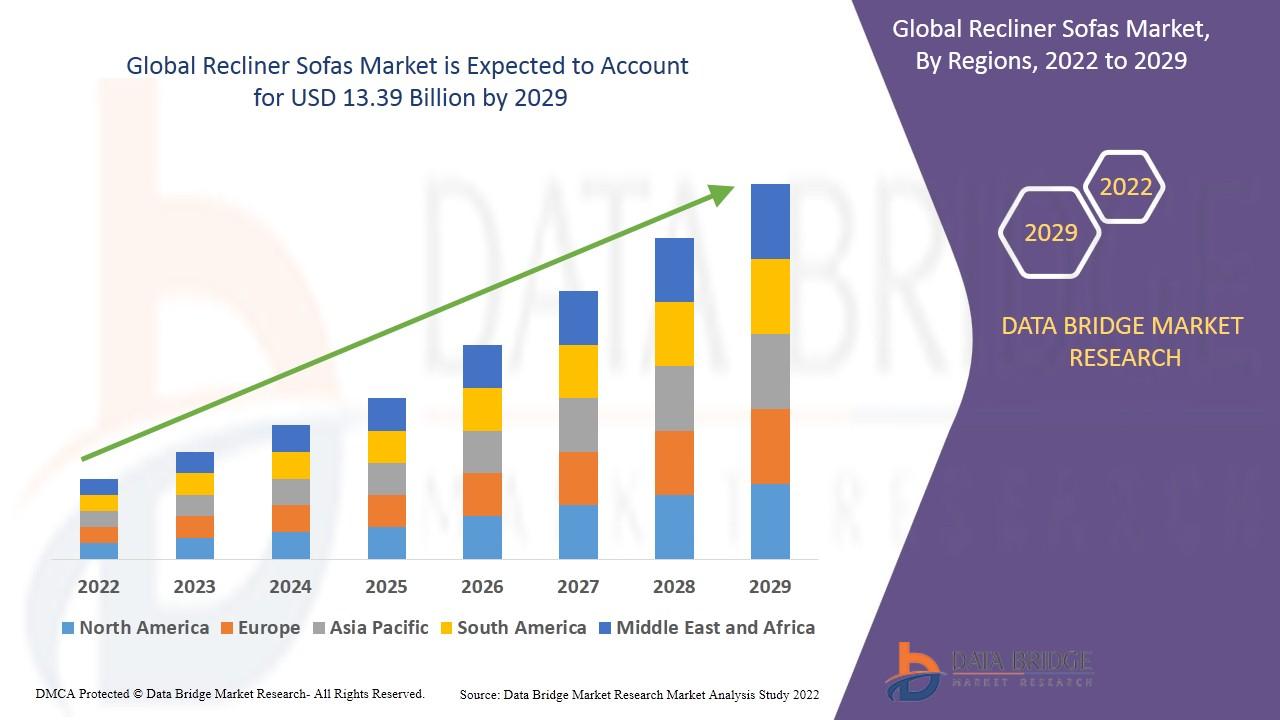
Key Drivers Impacting Executive Summary Recliner Sofas Market Size and Share CAGR Value The recliner sofas market is expected to be growing at a growth rate of 6.85% in the forecast period of 2022 to 2029 and is likely to reach USD 13.39 billion in 2029. This global Recliner Sofas Market research report carries out the methodical and comprehensive market research study that puts forth...
Benefits of Using Certification Exam Preparation Material Certification exams help people grow in their careers. They help you get better jobs. They also help you earn more money. Many students want to pass the 500-920 exam on the first attempt. This exam is offered by Cisco. However, exam preparation can feel difficult. There are many books to read and many topics to cover. This is why using...

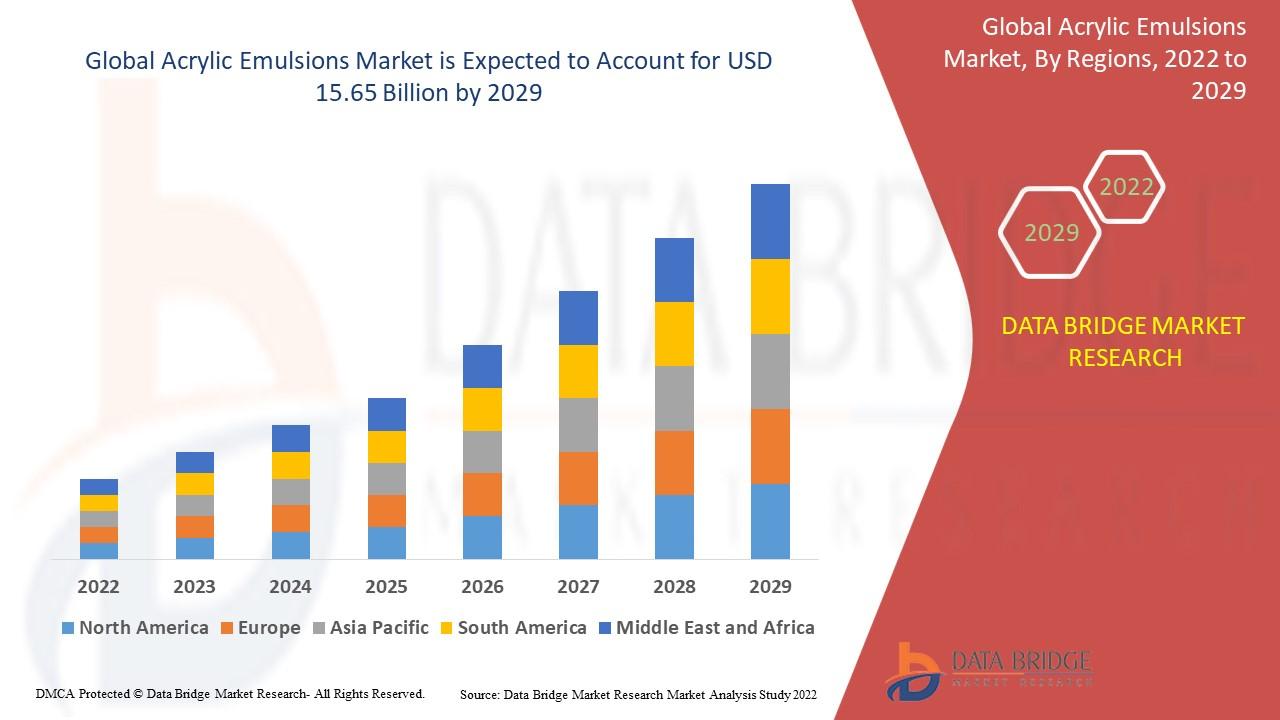
"Detailed Analysis of Executive Summary Acrylic Emulsions Market Size and Share CAGR Value Global acrylic emulsions market size was valued at USD 10.53 billion in 2024 and is projected to reach USD 19.85 billion by 2032, with a CAGR of 8.25% during the forecast period of 2025 to 2032. The Acrylic Emulsions report makes available the current and forthcoming technical and financial...
Introducing a Cycle for Kids at a young age does far more than give children a fun outdoor activity. Early riding skills play a powerful role in shaping their physical strength, confidence, discipline, and long-term development. Cycling is one of those rare activities that blend learning, fitness, and enjoyment all at once—making it an essential part of a child’s early growth. This...

According to the latest report published by Data Bridge Market Research, the Histopathology Testing Market The global histopathology testing market size was valued at USD 25.6 billion in 2025and is expected to reach USD 54.5 billion by 2033, at a CAGR of 9.9% during the forecast period An influential Histopathology Testing Market report analyses key factors of the market that...