Educational College Tour from Surat: Destinations, Planning & Benefits

An educational tour can turn ordinary classroom concepts into experiences that students remember for years. For colleges and academic institutions in Surat, carefully planned travel can combine industrial exposure, higher-education exploration, cultural learning, and practical skill development in a single itinerary.
A well-organized College Tour Package from Surat should do more than take students from one destination to another. It should connect travel with academic objectives, provide opportunities to observe real-world processes, and give teachers a manageable framework for supervising a student group.
Surat has a strong educational and industrial environment, making it a practical starting point for academic travel. Its textile, diamond, manufacturing, engineering, and business ecosystems can also help institutions introduce students to professional environments before they enter the workforce.
From nearby industrial destinations to major educational and technology hubs across India, the right tour depends on the students' academic discipline, available time, budget, and learning objectives.
Why College Tours Matter in Modern Education
College education is not limited to lectures, textbooks, laboratories, and examinations. Students also need opportunities to understand how academic knowledge operates outside an institutional setting.
An industrial visit, for example, can help engineering students observe production systems, quality-control procedures, automation, logistics, and workplace safety. Management students can study organizational structures, supply chains, marketing practices, and customer operations. Students in science-related disciplines may benefit from visits to research institutions, laboratories, museums, or technology centers.
Educational travel also develops skills that are difficult to measure through conventional examinations. Students learn to communicate with people outside their usual social environment, manage time, follow group responsibilities, adapt to unfamiliar surroundings, and make decisions within practical constraints.
The educational value becomes stronger when the tour is linked to the curriculum. A visit should have a clear reason behind it rather than being treated simply as recreational travel.
Best Educational Tour Destinations from Surat
The ideal destination depends on the purpose of the trip. A short educational excursion may focus on nearby industrial or cultural locations, while a multi-day academic tour can cover universities, research centers, manufacturing facilities, heritage sites, and technology institutions.
Ahmedabad and Gandhinagar
Ahmedabad and Gandhinagar are among the most convenient options for institutions seeking a combination of industry, education, science, and cultural learning.
Students can explore museums, science-oriented attractions, business environments, educational campuses, and selected industrial facilities. Gandhinagar's planned urban environment also provides opportunities to discuss infrastructure, governance, urban development, and public planning.
For a one- or two-day itinerary, the region can provide a useful balance between academic activities and limited sightseeing.
Vadodara
Vadodara is another suitable destination for academic groups traveling from Surat. The city has a strong association with education, engineering, manufacturing, culture, and the arts.
Depending on institutional permissions and availability, students may visit educational institutions, industrial units, museums, and cultural landmarks. Engineering and science groups can particularly benefit from an itinerary that connects classroom theory with industrial applications.
Mumbai and Navi Mumbai
Mumbai offers exposure to one of India's most diverse business environments. Students can learn about finance, media, logistics, technology, entrepreneurship, manufacturing, and corporate operations.
Navi Mumbai can complement the experience through its planned infrastructure, industrial areas, logistics networks, and commercial development.
A Mumbai tour generally works better as a multi-day program because travel time and the size of the metropolitan region need to be considered when creating the schedule.
Pune
Pune is especially relevant for technical, engineering, management, and professional education groups. The city has a substantial ecosystem of educational institutions, technology companies, manufacturing organizations, and automotive businesses.
A properly coordinated visit can help students understand how academic qualifications translate into workplace responsibilities. Discussions around automation, product development, engineering processes, human resources, and entrepreneurship can be incorporated into the itinerary.
Bengaluru
For technology-focused groups, Bengaluru can offer exposure to India's software, startup, research, and innovation ecosystem.
A visit to technology-oriented organizations can help students understand areas such as software development, artificial intelligence, cybersecurity, cloud computing, product management, and entrepreneurship. Universities and research-oriented attractions can further strengthen the academic component of the journey.
Because Bengaluru is considerably farther from Surat, institutions should generally allocate several days rather than attempting an excessively compressed schedule.
Delhi, Noida, and Gurugram
The Delhi-NCR region offers a broad combination of educational, technological, governmental, cultural, and corporate learning opportunities.
Students can explore museums and historical institutions alongside carefully selected corporate or industrial visits. Noida and Gurugram can add exposure to information technology, business services, startups, media, and modern corporate infrastructure.
This destination is particularly useful for institutions wanting a multidisciplinary tour rather than a narrowly specialized industrial visit.
How to Plan an Educational Tour from Surat
Successful academic travel begins months before students board the bus, train, or flight. Planning should start with the educational objective and work backward toward transportation, accommodation, permissions, and activities.
1. Define the Learning Objective
The first question should be simple: what should students learn from the trip?
For example, an engineering department may want students to understand manufacturing automation, while a management department may focus on supply-chain management. A commerce group could explore financial services and corporate operations.
Once the objective is clear, destination selection becomes much easier.
2. Select the Destination Based on Academic Relevance
Avoid choosing a location solely because it is popular. A destination should offer genuine educational value for the participating students.
Consider:
- Relevance to the course or curriculum
- Availability of industrial or institutional visits
- Travel distance and journey time
- Group size and age of participants
- Seasonal conditions
- Accommodation availability
- Local transportation requirements
The strongest itineraries normally combine a primary academic activity with one or two supporting educational experiences.
3. Contact Organizations Well in Advance
Industrial and institutional visits usually require prior approval. Some facilities may have restrictions regarding group size, photography, security, or the age of visitors.
Teachers should provide accurate information about the institution, number of students, faculty members, proposed date, academic purpose, and expected duration of the visit.
Last-minute arrangements can create unnecessary uncertainty, particularly when the itinerary depends on access to a factory, laboratory, corporate office, or university campus.
4. Build a Realistic Itinerary
An itinerary should leave enough time for travel, meals, rest, security checks, and unexpected delays.
A common mistake is filling every hour with activities. Students may technically visit more places, but excessive movement can reduce attention and learning quality.
A better schedule might include one major academic visit in the morning, a structured educational activity in the afternoon, and sufficient downtime in the evening.
Transportation and Accommodation Considerations
Travel arrangements should reflect the size and nature of the group.
For shorter routes, buses or coaches may offer convenient door-to-door movement. For longer distances, railway or air travel may be more practical, followed by local transportation at the destination.
Accommodation should be selected based on safety, cleanliness, accessibility, room capacity, meal arrangements, and proximity to scheduled activities. Institutions should not evaluate hotels solely on price. A cheaper property located far from every planned activity can increase transportation costs and consume valuable student time.
Room allocation should also be organized in advance. Teachers and supervising staff need a clear record of student groups, emergency contacts, and accommodation details.
Safety and Student Management
Safety should be treated as part of the educational tour plan, not as an afterthought.
Before departure, students should receive clear instructions regarding attendance, meeting points, appropriate behavior, emergency procedures, prohibited activities, and communication protocols.
A practical student-management system can include:
- Attendance at every major movement point
- Designated faculty or group leaders
- Emergency contact information
- Clear instructions for independent movement, if permitted
- A first-aid arrangement
- Regular communication between faculty members
Institutions should also check travel advisories, weather conditions, local regulations, and destination-specific restrictions before departure.
For industrial visits, students should follow all safety instructions provided by the host organization. Protective equipment, restricted zones, photography rules, and emergency procedures should never be ignored for the sake of convenience.
Making the Tour Academically Valuable
The difference between a simple trip and an educational tour often comes down to preparation.
Teachers can provide students with a short briefing before departure explaining what they should observe during the visit. Instead of asking students to simply "see the factory," they can be given specific questions.
For example, an engineering group might be asked to identify different stages of production, sources of automation, quality-control checkpoints, and workplace safety measures. Management students could observe communication systems, supply-chain processes, customer service, and employee roles.
After returning, students can prepare reports, presentations, group discussions, or reflective assignments based on what they observed.
This creates a three-stage learning process:
Before the tour: Students prepare and understand what they will study.
During the tour: Students observe, ask questions, and interact with professionals.
After the tour: Students analyze their observations and connect them with academic concepts.
This approach makes travel part of the learning cycle instead of separating it from classroom education.
Educational Benefits of College Tours
A thoughtfully designed tour can deliver several academic and personal benefits.
Practical Exposure
Students can observe equipment, systems, workflows, and professional environments that may be difficult to reproduce in classrooms.
Better Understanding of Careers
Meeting professionals and seeing actual workplaces can help students develop a more realistic understanding of career paths. They may discover roles they had not previously considered.
Improved Communication Skills
Interactions with industry professionals, guides, faculty members, and students from other institutions can encourage clearer communication and professional etiquette.
Teamwork and Responsibility
Group travel requires students to cooperate, follow schedules, manage belongings, and respect shared responsibilities. These experiences naturally reinforce teamwork.
Cultural and Social Awareness
When tours cross state or regional boundaries, students encounter different languages, food traditions, architecture, industries, and social environments. This broadens their understanding of India's diversity.
Increased Motivation
Real-world exposure can make theoretical subjects more meaningful. Seeing a concept applied in an actual workplace can encourage students to study it with greater curiosity and purpose.
Common Mistakes Institutions Should Avoid
Even well-intentioned educational tours can lose their value when planning is rushed.
One common mistake is creating an itinerary with too many destinations. Long travel periods can leave students exhausted, reducing their ability to concentrate during academic visits.
Another problem is selecting industrial visits without checking their relevance to the students' discipline. A factory visit may sound educational, but its value depends on what students can actually observe and learn.
Institutions should also avoid treating safety documentation as paperwork that can be completed at the last minute. Consent forms, emergency information, medical requirements, attendance records, and contact details should be organized before departure.
Budgeting is another area that deserves careful attention. The initial package estimate should be evaluated alongside potential additional expenses such as local transport, meals, entry fees, accommodation upgrades, taxes, or emergency requirements.
Working with an Educational Tour Specialist
For institutions organizing large student groups, coordinating every component independently can become complicated. Educational tour specialists can help structure transportation, accommodation, academic visits, local logistics, and itinerary management around institutional requirements.
However, institutions should remain actively involved in the planning process. A responsible approach includes reviewing the itinerary, checking what is included, confirming visit permissions, understanding cancellation conditions, and ensuring that safety arrangements are clearly defined.
Institutions researching educational travel options can also explore the educational tour planning resources from Edutour to understand how academic travel can be structured around student learning objectives.
The most effective partnership is not simply about outsourcing logistics. It is about combining professional coordination with the institution's knowledge of its students, curriculum, and educational priorities.
A Practical Planning Timeline
Planning well in advance gives institutions more flexibility.
Two to Four Months Before Travel
Finalize the educational objective, destination, approximate group size, preferred dates, and visit requirements. Begin communication with relevant organizations and compare travel options.
Four to Six Weeks Before Departure
Confirm transportation and accommodation, collect required student information, finalize the academic itinerary, and communicate important instructions to parents, students, and faculty.
One to Two Weeks Before Departure
Reconfirm bookings and institutional visits. Prepare attendance lists, emergency contacts, consent documentation, student groups, faculty responsibilities, and essential travel information.
During the Tour
Maintain attendance discipline, follow the agreed itinerary, document academic observations where permitted, and keep communication channels open among supervising staff.
After Returning
Ask students to submit reports or reflections. Faculty members can review whether the original learning objectives were achieved and record improvements for future tours.
Choosing the Right Tour Format
Not every institution needs the same type of educational journey.
A one-day excursion can work well for nearby industrial facilities, museums, science centers, or educational institutions.
A two- or three-day tour allows more time for industrial visits combined with cultural or academic activities.
A longer national tour can be appropriate for institutions seeking exposure to specialized technology hubs, universities, research centers, manufacturing clusters, or multiple industries.
The important consideration is not the number of places visited. It is the quality and relevance of the learning experience.
Conclusion
An educational college tour from Surat can become a meaningful extension of classroom learning when destination selection, academic objectives, logistics, and student safety are planned together.
The best tours are not defined by how many cities students cover or how packed the itinerary looks. Their success is measured by what students understand, observe, discuss, and remember after returning.
For educational institutions, the planning process should therefore begin with a clear question: What should students learn from this experience? Once that answer is established, the destination, industrial visits, accommodation, transportation, activities, and schedule can all be designed around it.
With realistic planning, appropriate supervision, relevant institutional visits, and structured post-tour activities, educational travel can provide students with practical exposure, career awareness, teamwork skills, and a broader understanding of the professional world.
Categories
Read More
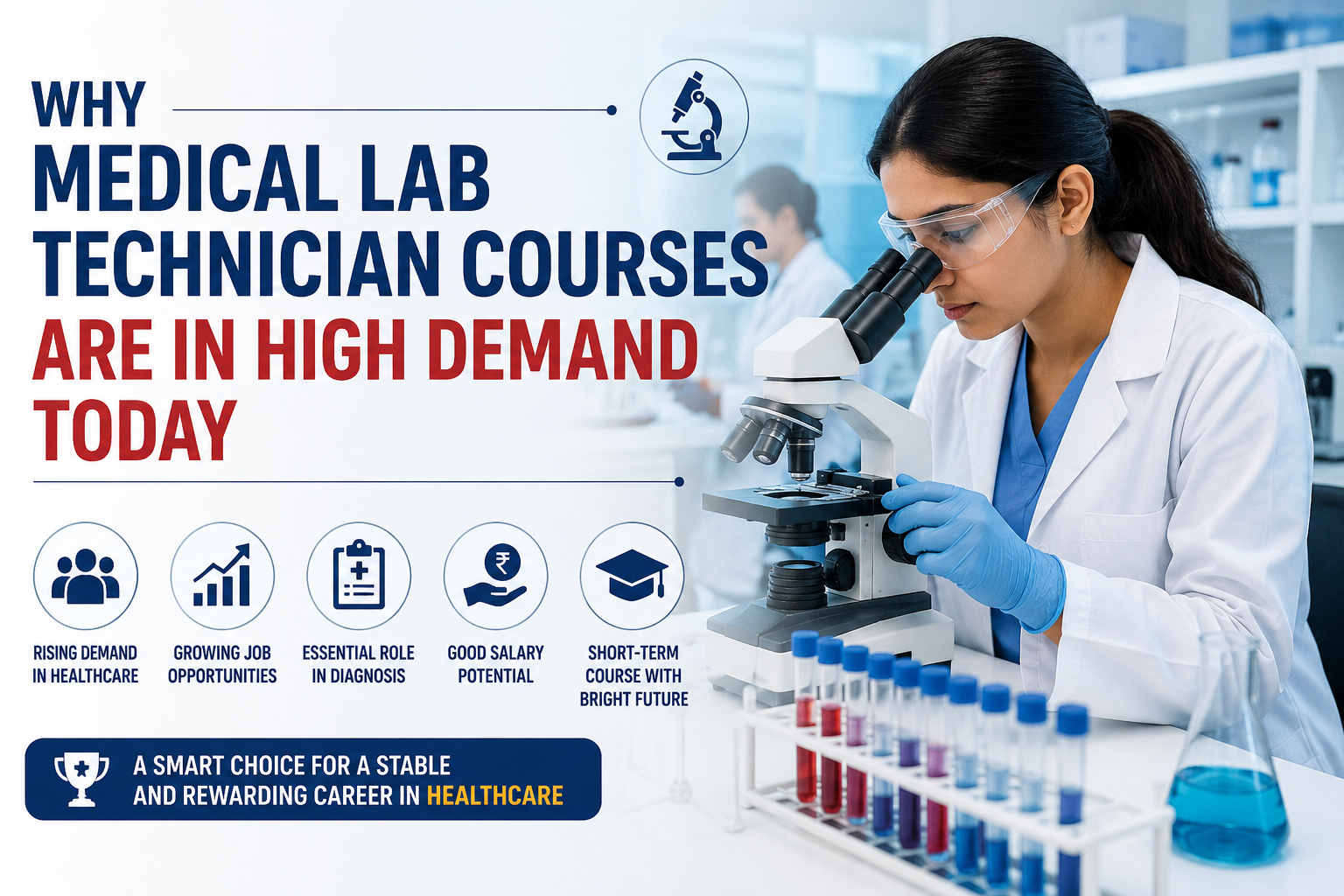
As you know, the healthcare industry all over the globe is booming resulting in an increasing demand for skilled health care professionals. Medical laboratory technicians are one of the many healthcare careers that support doctors and other healthcare providers. It carries out necessary laboratory tests for diagnosis that assists in disease identification, patient monitoring and treatment...
Fantasy sports have become one of the most popular ways for sports fans to enjoy every match. If you want a smooth and exciting fantasy gaming experience, Goplay 11 is a great platform to explore. It offers a simple interface, exciting contests, and a user-friendly experience for both beginners and experienced players. Whether you enjoy cricket, football, or other fantasy sports, this...

➤➤ Official Website Link – Click Here ◀◀ Tivano Cutting Board Review: Is This All-in-One Kitchen Tool Worth It? —̳͟͞͞💗(Sale Is Live)—̳͟͞͞💗 https://cbdnewssupplement.com/Tivano-Cutting-Board In modern kitchens, having the right tools makes all the difference. One tool that often goes underappreciated is the cutting board—an essential component of meal prep that can either...

Abu Dhabi has rapidly evolved into one of the most promising digital hubs in the Middle East. With smartphone penetration exceeding 96% and nearly 99% of the population accessing the internet via mobile devices, the demand for mobile applications has skyrocketed . This isn’t just a tech trend—it’s a complete shift in how businesses operate, communicate, and deliver value to...
"Harnessing Opportunities for CNG Vehicles Market As per Market Research Future Analysis, the CNG Vehicles Market is projected to be worth USD 498.14 billion by 2035, registering a CAGR of 12.77% during the forecast period from 2025 to 2035. The global market is analyzed by product type and application. Today, industries across North America, Europe, Asia Pacific are witnessing a significant...