Student Visa Interview Questions and How to Answer Them Confidently

Getting your admission letter from a foreign university feels like the finish line, but there is one more milestone standing between you and your dream campus: the student visa interview. For thousands of Indian students every year, this short face to face conversation with a visa officer decides whether months of planning, application essays, and financial preparation finally pay off.
The good news is that visa interviews are far more predictable than students assume. Officers are not trying to trip you up. They are simply verifying that you are a genuine student with real intent to study, sufficient funds, and a plan to return home after your course (for non immigrant visas) or a clear academic purpose. Once you understand the pattern behind the questions, the entire process becomes much easier to prepare for.
This guide breaks down the most common student visa interview questions, explains what the officer is really trying to assess, and shares practical tips to help you answer with confidence. Many students working with experienced study abroad consultants in Pune go through structured mock interviews before their actual appointment, and that preparation makes a visible difference in how relaxed and clear they sound on interview day.
Why Visa Interviews Feel So Stressful
Most students are not nervous because they lack answers. They are nervous because they do not know what to expect. The interview is usually short, sometimes just two to five minutes, and the officer has to make a quick judgment based on your responses, body language, and documents.
Understanding the structure removes most of the anxiety. Broadly, visa officers want clarity on four things:
- Why did you choose this course and this university
- Can you and your family genuinely afford the education
- Do you intend to return home or do you have strong ties to your country
- Are your academic and financial documents consistent with what you are saying
Once you prepare answers around these four pillars, the rest of the interview becomes a natural conversation rather than an interrogation.
Common Student Visa Interview Questions
1. Why do you want to study abroad?
This is almost always the opening question. Avoid generic answers like "for better opportunities." Instead, connect your answer to your specific academic and career goals. Mention what your chosen country or university offers that is not easily available at home, such as specialised research facilities, industry exposure, or a particular curriculum structure.
2. Why did you choose this particular university and course?
The officer wants to see that you did real research, not that you applied randomly to several countries. Talk about specific faculty, course modules, rankings, or industry tie ups that influenced your decision. This is exactly the kind of detail that a good study abroad consultants in Pune team helps students prepare, since they know which points visa officers respond well to.
3. How will you fund your education?
Be precise. State your total course fee, living expenses, and the source of funds, whether it is a education loan, family savings, or a scholarship. Keep your bank statements, loan sanction letters, and sponsor details ready and consistent with what you say verbally.
4. Who is sponsoring you, and what do they do?
If a parent or relative is sponsoring you, know their occupation, approximate income, and how long they have been earning at that level. Officers cross check verbal answers against financial documents, so consistency matters more than impressive figures.
5. What are your plans after completing the course?
For most visa categories, especially non immigrant student visas, officers want to hear that you plan to return home and apply what you learned. Talk about career growth in your home country, family business, or industry demand, rather than vague statements about "seeing how things go."
6. Do you have relatives or friends in the destination country?
Answer honestly. Having family abroad is not automatically a red flag, but be clear that your primary purpose is education, and your ties at home, such as property, family business, or job prospects, remain strong.
7. What is your academic background, and why did your grades fluctuate (if applicable)?
If there is a gap year or a dip in academic performance, address it briefly and honestly. Officers appreciate straightforward explanations over rehearsed excuses.
8. Have you taken an education loan? What is the repayment plan?
If applicable, explain the loan amount, tenure, and how it will be repaid, ideally tied to your expected career path after graduation.
Tips to Answer Confidently
Keep answers short and specific. Long, rambling answers often sound rehearsed or evasive. Aim for thirty to sixty seconds per answer with concrete details.
Maintain eye contact and calm body language. Nervous fidgeting can make even truthful answers seem uncertain.
Know your own application inside out. You should be able to speak fluently about your course structure, university location, and fee breakup without checking notes.
Practice with mock interviews. This is one of the biggest advantages of enrolling with professional study abroad consultants in Pune, since experienced counsellors simulate the real interview environment, point out weak answers, and help you refine your tone before the actual appointment.
Carry organised documentation. Even though the interview is verbal, having your documents neatly arranged shows preparedness and builds credibility.
Do not memorise scripted answers word for word. Officers can tell when a response is memorised rather than genuinely understood. Instead, internalise the key points and speak naturally.
Common Mistakes Students Make
- Giving inconsistent answers about finances compared to submitted documents
- Sounding unsure about basic details of the university or course
- Overexplaining or volunteering unnecessary information
- Showing anxiety about ties to the home country, which can raise doubts about immigrant intent
- Not researching the visa officer's likely concerns based on the specific country's requirements
How Professional Guidance Makes a Difference
Visa interview outcomes are rarely about luck. They reflect the quality of preparation behind them. This is why so many students in Maharashtra choose to work with established study abroad consultants in Pune rather than navigating the process alone. A good consultancy does more than shortlist universities. It walks you through documentation, financial planning, and realistic mock interview sessions tailored to the specific country you are applying to, whether that is the USA, UK, Canada, Australia, or Germany.
If you are currently preparing your visa file, working with study abroad consultants in Pune can help you identify gaps in your application before the embassy does, saving you from avoidable rejections and reapplication delays.
Final Thoughts
A student visa interview is not designed to catch you off guard. It is designed to confirm what your application already shows: that you are a genuine student with clear academic intent and the financial backing to support your education. Preparation, honesty, and clarity in your answers will take you a long way.
Spend time understanding your own application, practice answering out loud, and if possible, get feedback from people who have guided many students through this exact process. With the right preparation and support from experienced study abroad consultants in Pune, walking into your visa interview with confidence becomes a lot easier than it first appears.

Categorias
Leia mais
" High Pressure Grinding Roller Market Summary: According to the latest report published by Data Bridge Market Research, the High Pressure Grinding Roller Market The global high pressure grinding roller market size was valued at USD 316.37 million in 2024 and is expected to reach USD 489.23 million by 2032, at a CAGR of 5.60% during the forecast...

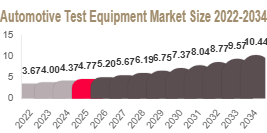
Automotive Test Equipment Market Overview The automotive test equipment market is witnessing strong expansion driven by increasing vehicle electrification, rising electronic content in modern vehicles, and stringent regulatory standards for safety and emissions. According to Redline Pulse, the market is evolving rapidly as manufacturers invest heavily in advanced testing and validation...
Global Chocolate Market Expands Rapidly with Premium Product Demand and Innovation in Sustainable Cocoa Sourcing The global chocolate market is witnessing substantial growth driven by increasing consumer demand for premium confectionery products, rising disposable incomes, and expanding product innovation across developed and emerging economies. Growing preference for dark chocolate,...

" According to the latest report published by Data Bridge Market Research, the Guava Puree Market The global guava puree market size was valued at USD 407.60 million in 2025 and is expected to reach USD 630.30 million by 2033, at a CAGR of 5.6% during the forecast period The Guava Puree Market business research report is fragmented in several features...
Midodrine Price is still one of those big factors for healthcare institutions, pharmacies, and medical distributors when they’re dealing with the procurement of hypotension treatments. If someone keeps an eye on Midodrine Price, healthcare buyers can spot more cost-effective sourcing chances, and at the same time stay sure that medicine supply doesn’t suddenly stop or drop. With the...