Why Government Bonds Are Considered Safe-Haven Investments

When I watch the stock market bounce up and down, it always reminds me how unpredictable investing can feel. Whenever an economic scare hits or stock prices take a sudden dive, everyday people and big institutions alike start looking for a safe place to park their cash. Through years of following these financial trends, I have noticed that one specific option always acts like a sturdy umbrella in a storm: sovereign debt.
If you are trying to figure out how to build a portfolio that can actually weather a crisis, learning what are government bonds is one of the smartest places to start. At a basic level, these are simply loans you give to the government. When national governments need extra funding to build roads, run public services, or manage their budgets, they issue these fixed-income securities. In exchange for your money, they promise to pay you regular interest—often called coupon payments—and then give back your original investment once the bond matures. Because these securities are backed entirely by the government's power to collect taxes, the chance of losing your money to a default is exceptionally low. That high level of security is the exact reason why everyone calls them safe-haven assets.
During periods of high inflation, political drama, or sudden market crashes, investors naturally pull their money out of risky places and rush toward safety. This massive movement happens right out in the open within the active bond market. When stocks take a severe beating, money flows heavily into government-backed securities, which drives their prices up and pushes yields down. Whenever I watch these cycles happen, I see this shift as an essential safety net. It helps balance out a portfolio so you do not take a massive hit when the rest of the market is struggling.
Another reason I always talk about these instruments is how predictable they are. Stocks can be wild because your returns depend entirely on a company's profits, changing management, or shifting consumer habits. Government-backed securities, on the other hand, give you clear, reliable cash flows right from the start. You know what to expect, which makes planning for major life goals or retirement a lot less stressful. Even state-guaranteed alternatives share these exact traits, giving you extra peace of mind if you care more about protecting your savings than chasing wild, high-risk growth.
Ultimately, adding sovereign debt to your financial strategy is not about trying to get rich quick. It is about laying down a solid foundation that can handle whatever the economy throws your way. Markets move in cycles, and downturns are just a normal part of the journey. By taking the time to understand how these fixed-income investments work and watching how capital shifts during tough times, I believe you can protect your hard-earned wealth much better. Government bonds remain a vital tool because they give you a steady anchor when the financial world gets rough.
Nach Verein filtern
Read More
Topographical surveys are a crucial step in any construction or engineering project. In a busy city like London, having accurate land data is essential. These surveys provide detailed information about the shape, features, and contours of the land. This data helps architects, engineers, and builders plan their projects with confidence. Topographical Surveys in London are in high demand...

Netflix has announced the upcoming production of a gripping Korean series titled 'The Dealer,' a high-stakes narrative set in the intense world of gambling and crime. The series boasts an impressive cast led by Jung So-min, Ryoo Seung-bum, Lee Soo-hyuk, and Ryu Kyung-soo, each bringing their unique talents to the story. Centered around Geonhwa, a talented casino dealer, the plot takes a...

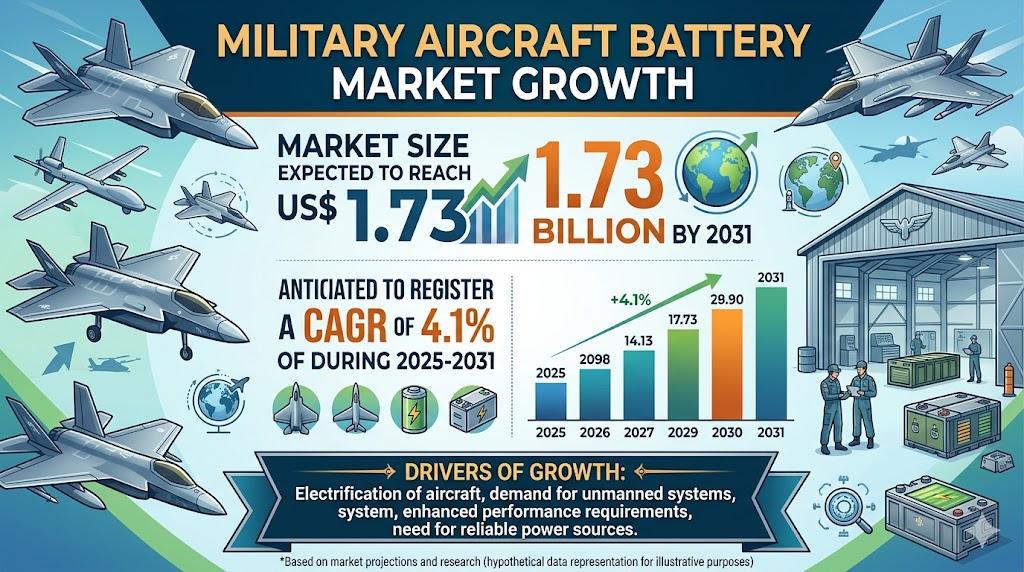
The global defense sector is undergoing a massive transformation, driven by technological advancements and the urgent need to modernize armed forces worldwide. At the heart of this modernization is the military aviation industry, which relies heavily on sophisticated electronics, surveillance systems, and high performance propulsion mechanisms. As a result, the military aircraft battery...
According to the latest report published by Data Bridge Market Research, the Electromagnetic Tracking Systems Market The global electromagnetic tracking systems market size was valued at USD 946.69 million in 2024 and is expected to reach USD 2,089.09 million by 2032, at a CAGR of 10.40% during the forecast period The market growth is largely fueled by...

The Global Plastic Films & Sheets Market, valued at USD 135 billion in 2023, is projected to reach USD 212.3 billion by 2032, growing at a compound annual growth rate (CAGR) of 5.20% during the forecast period 2024–2032. The market growth is fueled by rising demand from packaging, healthcare, food, and construction industries, alongside innovations in high-performance,...