


Root Canal Treatment in Dubai for Infected Teeth
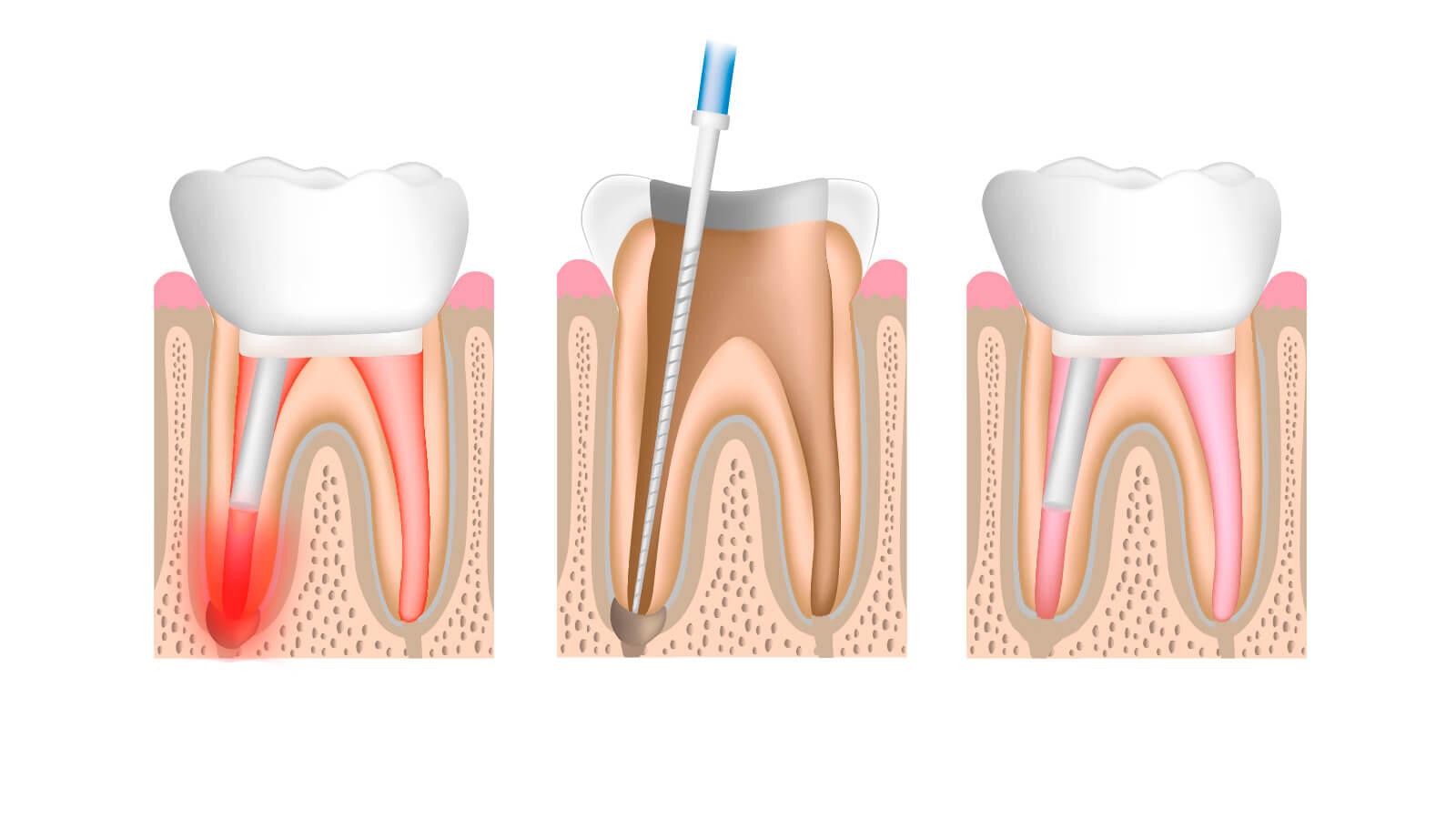
A tooth infection can become more serious when bacteria reach the soft tissue inside the tooth. Root Canal Treatment in Dubai can remove infected or severely damaged pulp and help preserve the natural tooth when it remains suitable for restoration. A qualified dental clinic in dubai can examine the affected tooth, identify the source of infection, and recommend the most appropriate treatment based on your dental condition.
What Is a Tooth Infection?
A tooth infection occurs when bacteria enter and affect the internal or surrounding tissues of a tooth.
Deep tooth decay is a common cause, but cracks, trauma, and damaged restorations can also allow bacteria to reach deeper structures.
When the infection reaches the pulp, root canal treatment may be considered if the tooth can still be restored.
How Does an Infection Reach the Pulp?
Healthy enamel and dentin normally protect the pulp from bacteria.
When decay progresses through these protective layers, bacteria can eventually reach the pulp chamber.
A crack or fracture can create another pathway for bacteria. Dental trauma may also damage the pulp and make it more vulnerable to infection.
Common Signs of an Infected Tooth
An infected tooth may cause persistent or severe toothache.
Other symptoms can include prolonged sensitivity to hot or cold, pain while biting, gum tenderness, swelling, a bad taste, or drainage near the affected tooth.
Some infections may produce few noticeable symptoms, so regular dental examinations remain important.
Tooth Pain and Infection
Pain can occur when inflammation affects the pulp or tissues surrounding the tooth.
The discomfort may be constant, intermittent, or triggered by chewing or temperature.
Because tooth pain can have many causes, a dentist needs to examine the tooth before determining whether infection is responsible.
Swelling Around an Infected Tooth
Swelling around a tooth may indicate that infection has extended beyond the pulp.
A dental abscess can develop when bacteria spread into surrounding tissues.
Facial or gum swelling should be evaluated promptly, particularly if it is accompanied by fever, significant pain, or difficulty swallowing.
Can an Infected Tooth Exist Without Pain?
Yes. Not every infected tooth produces obvious symptoms.
If the pulp loses vitality, pain may decrease even though bacteria remain present.
This is one reason routine dental examinations and appropriate imaging are useful for identifying problems before they become more advanced.
How Is a Tooth Infection Diagnosed?
The dentist reviews your symptoms and examines the affected tooth.
X-rays can help identify changes around the root and surrounding bone. Additional tests may be used to determine whether the pulp is alive, inflamed, or infected.
A correct diagnosis helps the dentist select the appropriate treatment.
When Is Root Canal Treatment Recommended?
Root canal therapy may be recommended when the pulp is irreversibly inflamed or infected and the tooth can be predictably restored.
The dentist considers the amount of remaining tooth structure, root condition, surrounding tissues, and overall restorability.
If the tooth cannot be saved, extraction may be considered instead.
What Happens During Root Canal Treatment?
The affected area is numbed with local anesthesia.
The dentist creates an opening to access the pulp chamber and removes infected or inflamed tissue.
The root canals are cleaned, shaped, filled, and sealed to reduce the possibility of continued bacterial contamination.
Does Root Canal Treatment Remove the Infection?
The goal of treatment is to remove infected pulp and thoroughly clean and seal the root canal system.
The surrounding tissues can then begin to recover.
The final restoration is also important because a damaged or poorly sealed tooth can become vulnerable to further bacterial contamination.
Why Is a Final Restoration Important?
A tooth affected by deep decay or infection may have already lost significant structure.
After root canal therapy, the tooth needs a restoration that provides appropriate function and protection.
Depending on the tooth's condition, this may involve a filling, crown, or another restoration.
Root Canal Treatment for Front Teeth
An infected front tooth can result from decay, trauma, or other damage.
Root canal therapy can preserve the natural tooth when enough healthy structure remains.
The dentist also considers the appearance of the tooth when planning its final restoration.
Root Canal Treatment for Molars
Molars can have multiple canals and complicated internal anatomy.
Treating an infected molar may therefore require more time and careful canal preparation.
Because molars experience significant chewing forces, a crown may often be considered after root canal therapy when substantial tooth structure has been lost.
What Happens If an Infection Is Left Untreated?
An untreated infection can spread beyond the tooth.
It may lead to an abscess, swelling, bone damage, or infection of surrounding tissues.
The symptoms may also become more difficult to manage over time.
Seeking professional care early can help determine whether the tooth can be treated before the condition becomes more complex.
Is Root Canal Treatment Painful?
Modern root canal therapy is generally performed under local anesthesia.
Most patients should not experience significant pain during treatment, although pressure and vibration may be noticeable.
Mild tenderness can occur after the procedure and should normally improve as the surrounding tissues recover.
How Long Does Treatment Take?
The treatment time depends on the tooth's anatomy and the severity of the infection.
A straightforward case may be completed in one appointment, while more complex infections can require additional visits.
Your dentist can provide a more specific treatment timeline after examining the tooth.
What Is Recovery Like?
Some temporary tenderness may occur after treatment.
Follow your dentist's instructions about eating, oral hygiene, medication, and follow-up care.
If a temporary restoration is placed, avoid heavy chewing on the affected tooth until the permanent restoration is completed.
Can an Infected Tooth Be Saved?
In many cases, a tooth with an infected pulp can be preserved if sufficient healthy structure remains.
Root canal treatment removes the internal infection while allowing the natural tooth to remain in place.
However, severe cracks, extensive structural damage, or other factors can make extraction necessary.
Root Canal Treatment vs Extraction
Root canal treatment aims to save the natural tooth.
Extraction removes the tooth and may be followed by replacement with an implant, bridge, or denture.
Your dentist can compare the options based on the tooth's condition, long-term function, cost, and your individual needs.
How Can Tooth Infections Be Prevented?
Preventive dental care can reduce the risk of deep decay and infection.
Brush twice daily with fluoride toothpaste, clean between your teeth, reduce frequent sugary snacks and drinks, and attend regular dental examinations.
Treating cavities early can also help prevent bacteria from reaching the pulp.
Choosing a Dental Clinic in Dubai
When considering Root Canal Treatment in Dubai, choose a clinic with qualified dental professionals, suitable diagnostic equipment, strong hygiene practices, and a clear treatment-planning process.
Ask about the diagnosis, treatment stages, restoration, expected appointments, aftercare, and total cost.
A detailed consultation can help you understand the recommended approach before treatment begins.
Conclusion
An infected tooth can affect the pulp and surrounding tissues and may cause pain, sensitivity, swelling, or other symptoms. When the tooth remains restorable, root canal treatment can remove infected pulp and provide an opportunity to preserve the natural tooth.
If you suspect a tooth infection and are considering Root Canal Treatment in Dubai, a qualified dental clinic in dubai can diagnose the problem and explain your treatment options. Timely care, appropriate restoration, and consistent oral hygiene can help protect your treated tooth and overall oral health.
Categorie
Leggi tutto
Building Strong Foundations with UKG English and Nursery Kit Learning Early childhood education plays a crucial role in shaping a child’s future. The initial years of learning are not just about gaining knowledge but also about developing essential life skills. A well-designed curriculum combined with the right resources helps children grow academically, socially, and emotionally. This is...

The online lottery industry has seen tremendous growth in recent years, and the IDN Toto lottery market has emerged as one of the most popular platforms among players worldwide. Known for its reliability, wide range of betting options, and user-friendly experience, IDN Toto continues to attract thousands of lottery enthusiasts every day. Its popularity is not accidental; it is the result...

In a world filled with constant notifications, traffic noise, and mental overload, silence has become rare. Yet silence is not empty—it is deeply restorative. Modern science and ancient healing traditions both agree that quiet environments play a vital role in physical, mental, and emotional healing. This understanding is increasingly reflected in spas and wellness culture, where...

Investors looking to participate in the upcoming SME IPO are searching for the latest Teja Engineering Industries IPO GMP to estimate its potential listing performance. The Grey Market Premium (GMP) is an unofficial indicator that reflects investor demand before the shares are listed on the stock exchange. In this article, we'll cover the latest Teja Engineering Industries IPO GMP, issue...

The global Dodecanedioic Acid Market is entering a period of sustained growth as demand for high-performance engineering plastics, specialty chemicals, and advanced industrial materials continues to rise across multiple end-use industries. Increasing consumption of nylon resins, growing applications in paints and coatings, expanding production of engineering plastics, and...