


What is the safe procedure for handling and disposing of construction waste?
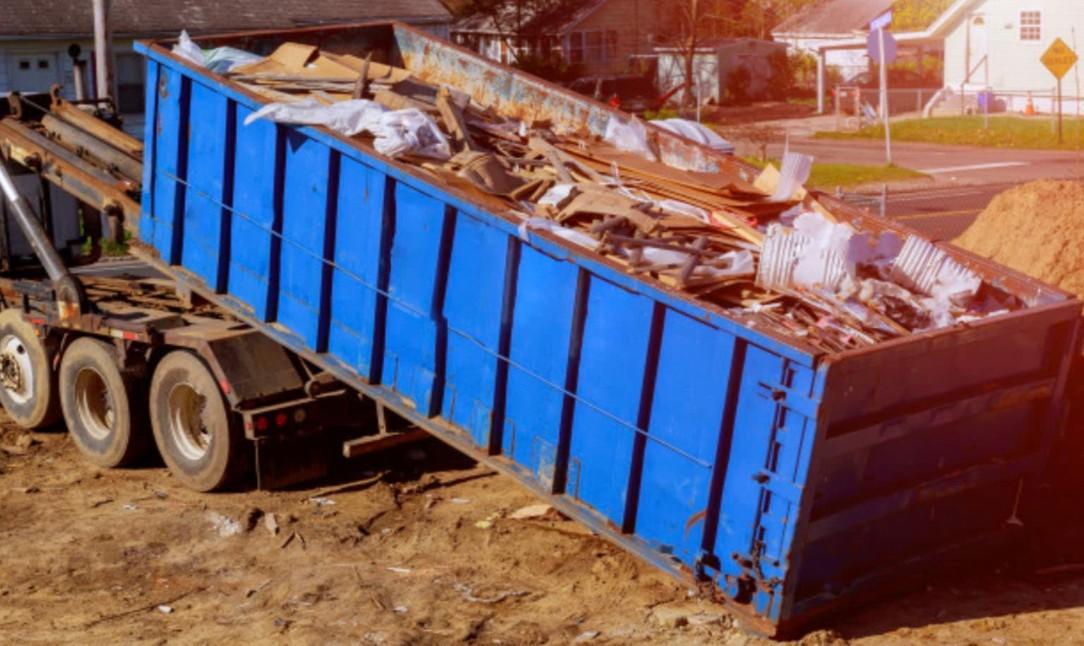
Construction sites, while monuments to progress and development, are also major generators of waste. From broken concrete and excess drywall to packaging and hazardous materials, the sheer volume and variety of debris present significant logistical and safety challenges. Improper waste management is not just an environmental hazard; it is a critical safety risk that can lead to accidents, project delays, and hefty fines. A robust, well-defined waste procedure is an indispensable part of any successful project, ensuring that the site remains clean, compliant, and—most importantly—safe for all workers.
This procedure moves far beyond simply dumping materials in a skip; it encompasses planning, sorting, handling, and legally documented disposal. Adopting a proactive, systematic approach to waste management is a hallmark of professional construction practices and directly contributes to a safer and more efficient working environment, ultimately protecting both people and the planet from unnecessary risk and pollution.
Phase 1: Pre-Construction Planning and Waste Minimization Strategy
The safest and most cost-effective waste procedure begins long before the first shovel hits the dirt. The initial planning phase is where the most significant impact on waste volume and safety can be achieved. This involves conducting a detailed Site Waste Management Plan (SWMP), which forecasts the types, quantities, and disposal methods for waste expected to be generated throughout the project lifecycle. A core component of this plan is waste minimization—the commitment to the "Reduce, Reuse, Recycle" hierarchy.
This means ordering materials in precise quantities to limit cut-offs, choosing reusable formwork, or even incorporating recycled aggregates into the design. Implementing clear contracts with suppliers to take back excess packaging or pallets is also vital. By setting up designated, clearly signed, and color-coded bins for specific waste streams (e.g., wood, metal, plasterboard) from day one, you establish a culture of correct segregation, making the subsequent handling and disposal phases much safer and more efficient.
Phase 2: On-Site Segregation and Safe Handling Practices
Once construction is underway, the focus shifts to consistent and safe on-site handling and segregation. The golden rule is separation at the source. Mixed waste is inherently more expensive, harder to recycle, and significantly more hazardous to handle due to the potential for sharp objects, chemicals, and dust exposure.
Dedicated, clearly labeled containers must be placed strategically across the site to minimize the distance workers have to carry materials, reducing trip hazards and musculoskeletal risks. Hazardous waste, such as paints, solvents, adhesives, and materials containing asbestos, requires immediate isolation. These must be placed in secure, labeled, and sealed containers away from general debris and pedestrian traffic, strictly adhering to Control of Substances Hazardous to Health (COSHH) regulations. Proper manual handling techniques must be enforced when moving heavy or awkward pieces of debris into skips, often necessitating the use of mechanical aids like forklifts or lifting slings, all of which underscores the vital need for comprehensive training for all site personnel.
Phase 3: Documentation and Legal Disposal Compliance
The final, and most legally critical, phase is the compliant disposal of the segregated waste streams. Construction and demolition waste is subject to stringent regulations designed to track its journey from the site to its final destination, ensuring it doesn't end up fly-tipped or mishandled. Every load of waste that leaves the site, regardless of its composition, must be accompanied by a Waste Transfer Note (WTN) or, in the case of hazardous materials, a Consignment Note.
These documents legally certify that the waste is being collected and processed by licensed carriers and facilities. It is the site manager's responsibility to verify that all waste contractors possess the correct environmental permits and licenses.
Failing to comply with these detailed legal requirements is not merely a bureaucratic oversight; it can result in criminal prosecution and substantial fines for the company and the site leadership. This complex framework of permits, duties of care, and legal responsibility highlights why a thorough grounding in workplace regulations is non-negotiable for anyone working in the industry, making training like the Health and Safety in a Construction Environment Course an essential prerequisite for professional competence.
Phase 4: Dealing with High-Risk and Specialized Waste Streams
Certain construction waste streams demand a heightened level of caution and specialized procedures due to their inherent risks. Chief among these is Asbestos-Containing Material (ACM). Any suspected ACM must be immediately stopped from handling by general workers, isolated, and tested. Its removal and disposal must be carried out by licensed specialists following rigorous procedures, including negative pressure enclosures and specific PPE, to prevent the release of deadly airborne fibers. Similarly, contaminated soil (often found on brownfield sites) requires characterization testing to determine the nature and concentration of pollutants before an appropriate remediation and disposal plan can be enacted. Even common materials like gypsum plasterboard are subject to specific disposal rules because they can generate toxic hydrogen sulfide gas if buried in landfills alongside biodegradable waste. Developing and strictly adhering to these specialized protocols for high-risk materials ensures environmental protection and, more immediately, safeguards the health of the workers tasked with handling them throughout the project duration.
Conclusion: Safety as the Foundation of Waste Management
The safe handling and disposal of construction waste is a holistic process, inextricably linked to the overall safety culture of the site. It is a continuous loop that begins with meticulous planning, flows through consistent segregation and handling, and concludes with scrupulous documentation and legal compliance. The overarching objective is to minimize exposure to physical hazards, airborne particulates, and chemical substances while maximizing the diversion of recoverable materials from landfill. By establishing clear responsibilities, providing appropriate equipment, and rigorously enforcing a zero-tolerance policy for mixed waste, construction companies create an environment that is not only environmentally sound but also inherently safer and more productive. The adherence to these best practices is what defines a modern, professional construction operation, proving that responsible waste management is a fundamental pillar, rather than an afterthought, of achieving success in any demanding building project.
الأقسام
إقرأ المزيد
Do you have bugs in your home? It is a big headache for any owner. You might see ants in your kitchen. You might hear mice in the walls. You need pest control jericho experts to help. Kreshco Pest Control is here for you. We know how to stop pests fast. We make your home feel safe again. You can trust our team to get the job done right. Best Pest Control Jericho NY Solutions You want a pro to...

"Europe Food Anti Caking Agents Market Summary: According to the latest report published by Data Bridge Market Research, the Europe Food Anti Caking Agents Market Data Bridge Market Research analyses that the food anti caking agents market will grow at a CAGR of 5.1% from 2023 to 2030. To impart a supreme quality to this persuasive Europe Food Anti Caking Agents Market report,...

LLWIN is a modern online entertainment platform designed for players who enjoy exciting gaming activities in a convenient digital environment. With a wide selection of entertainment options, a user-friendly interface, and smooth performance, LLWIN has become a popular choice for many users looking for enjoyable online gaming experiences. The platform combines innovation, accessibility, and...
London is a city defined by its interiors. From the soaring ceilings of Kensington townhouses to the grand ballrooms of Mayfair hotels and the historic theaters of the West End, the capital’s architecture is steeped in grandeur. At the center of these magnificent spaces, you will almost always find a chandelier. These fixtures are not merely sources of light; they are pieces of history,...
What Is Alpha Honey? Alpha Honey is a premium male health gummy supplement created to support energy, stamina, libido, and overall male vitality. It is designed for men who want to maintain active lifestyles, improve physical endurance, and support confidence naturally. The supplement uses a blend of plant-based ingredients, adaptogens, minerals, and amino acids that work together to...