


CMC Consultants and CMC Gap Analysis: Strengthening Pharmaceutical Development Strategy
Developing a pharmaceutical product requires careful coordination across chemistry, manufacturing, controls, quality, and regulatory activities. Small gaps in technical documentation or manufacturing strategy can create delays later in development. This is why experienced CMC Consultants can play an important role in helping teams identify risks, organize development activities, and prepare stronger technical programs.
A structured CMC Gap Analysis complements this work by reviewing existing information against expected development and regulatory requirements. Together, CMC Consultants and a well-planned CMC Gap Analysis can help pharmaceutical teams recognize weaknesses early and create practical plans for addressing them.
What Do CMC Consultants Do?
CMC Consultants provide specialized guidance related to Chemistry, Manufacturing, and Controls activities throughout pharmaceutical development. Their work may cover drug substance development, drug product formulation, analytical methods, manufacturing processes, stability programs, specifications, quality systems, and technical documentation.
The role of CMC Consultants is often broader than simply reviewing documents. They may help development teams understand how individual technical decisions affect the overall product strategy.
For example, a change in manufacturing process may influence analytical testing, stability studies, specifications, or future scale-up requirements. Experienced CMC Consultants can help teams evaluate these connections before decisions are finalized.
Common Areas Supported by CMC Consultants
Depending on the development stage, CMC Consultants may support activities such as:
· CMC development planning
· Process development strategy
· Drug substance and drug product assessment
· Analytical method planning
· Manufacturing readiness
· Stability program development
· Specification strategy
· Technology transfer
· Risk assessment
· Technical documentation review
This broad perspective can help organizations maintain consistency across multiple development workstreams.
What Is a CMC Gap Analysis?
A CMC Gap Analysis is a systematic review of existing technical information to identify missing, incomplete, inconsistent, or potentially weak areas.
The objective of a CMC Gap Analysis is not simply to create a list of problems. Instead, it should help teams understand which gaps carry the greatest risk and what actions may be needed to close them.
The assessment may examine development reports, manufacturing information, analytical data, specifications, stability results, validation plans, quality documentation, and other technical records.
Why CMC Gap Analysis Matters
Pharmaceutical development often evolves over several years. Different teams may generate information at different stages, and priorities can change as the program progresses.
A CMC Gap Analysis provides an opportunity to review the entire technical package from a broader perspective.
This can reveal issues such as:
· Missing development justification
· Incomplete process characterization
· Limited analytical method information
· Weak impurity understanding
· Insufficient stability data
· Manufacturing inconsistencies
· Documentation gaps
· Unclear specifications
· Incomplete risk assessments
Identifying these concerns early gives teams more time to address them efficiently.
How CMC Consultants Support Gap Assessments
Experienced CMC Consultants can bring an independent perspective to a CMC Gap Analysis. Internal teams are often deeply familiar with their own programs, which is valuable, but familiarity can sometimes make certain weaknesses less visible.
An external or independent review can challenge assumptions and examine whether the available information tells a complete and consistent technical story.
CMC Consultants may also help prioritize findings. Not every gap has the same level of importance. Some may require immediate action, while others can be addressed during later development stages.
Turning Findings Into an Action Plan
A useful CMC Gap Analysis should lead to clear next steps.
After identifying gaps, teams can categorize findings based on risk, urgency, technical complexity, and development impact. This makes it easier to build a practical remediation plan.
The action plan may include additional studies, updated documentation, analytical work, manufacturing improvements, process characterization, or new risk assessments.
CMC Consultants can help organize these activities so that resources are directed toward the most important issues first.
When Should a CMC Gap Analysis Be Performed?
A CMC Gap Analysis can be valuable at several points during pharmaceutical development.
It may be useful before major development transitions, manufacturing scale-up, technology transfer, technical submissions, due diligence activities, or changes in development strategy.
Conducting a CMC Gap Analysis before these milestones can reduce the risk of discovering important technical weaknesses when timelines are already tight.
Periodic reviews can also help programs remain aligned as new data becomes available.
Supporting Better Development Decisions
Strong CMC planning depends on understanding both current capabilities and remaining uncertainties.
By reviewing available information systematically, CMC Consultants can help teams distinguish between well-supported decisions and areas that require additional evidence.
This can improve resource allocation because development activities can be prioritized according to actual technical risk rather than assumptions.
A thorough CMC Gap Analysis also creates greater visibility across functions. Manufacturing, analytical, formulation, quality, and regulatory teams can work from the same understanding of the program’s strengths and weaknesses.
Benefits of Proactive CMC Planning
Proactive CMC management can help organizations reduce unnecessary rework, improve technical consistency, and prepare more efficiently for later development stages.
Using CMC Consultants can provide access to specialized experience when internal resources are limited or when a program requires an independent technical review.
At the same time, a structured CMC Gap Analysis provides a clear snapshot of development readiness.
When these approaches are combined, teams can make more informed decisions about what work should be completed, when it should be performed, and which activities deserve the highest priority.
Conclusion
Strong pharmaceutical development depends on identifying technical risks before they become major obstacles. CMC Consultants can provide valuable strategic and technical guidance across chemistry, manufacturing, analytical, quality, and documentation activities.
A comprehensive CMC Gap Analysis helps determine whether the existing CMC package is complete, consistent, and appropriately supported by data.
By combining the experience of CMC Consultants with a structured CMC Gap Analysis, pharmaceutical teams can identify weaknesses earlier, prioritize development activities, improve technical readiness, and build a stronger foundation for future milestones.
Categorii
Citeste mai mult
In einem kürzlich geführten Interview mit Famitsu wurde ein Blick hinter die Kulissen von Zenless Zone Zero geworfen, bei dem die Entwicklung des Spiels und seine Welt näher erläutert wurden. Dabei wurde besonders die Rolle des Elements Ether hervorgehoben, das im Spiel eine zentrale Bedeutung hat. Die Entwickler betonten, dass Ether eine äußerst seltene...

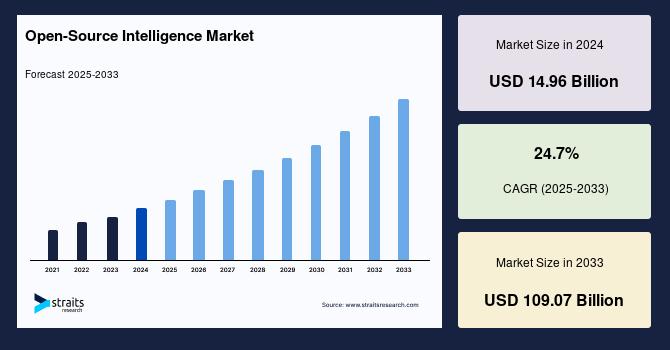
Open-Source Intelligence Industry Outlook: Straits Research has introduced a detailed analytical study on the Open-Source Intelligence Market, offering insights into market valuation, segmentation framework, and long-term growth trajectory. The publication delivers a structured overview of market drivers, constraints, technological advancements, and strategic developments shaping the...
Online gaming has become one of the fastest-growing entertainment industries in India. With millions of users turning to mobile gaming every day, players are looking for platforms that are fast, engaging, secure, and easy to use. One name that is quickly gaining popularity among Indian gamers is the Boom 79 game. Whether you’re a beginner exploring online gaming or an experienced player...

According to the latest report published by Data Bridge Market Research, the Thermochromic Fabrics Market The global thermochromic fabrics market size was valued at USD 168.47 billion in 2025 and is expected to reach USD 272.59 billion by 2033, at a CAGR of 6.20% during the forecast period The market growth is largely fuelled by the rising...

Digital gift cards often seem universally accessible, yet they frequently become unusable when redeemed outside their intended country. In 2024 alone, billions of dollars' worth of gift cards remained unspent globally, largely due to purchases made for regions where they weren't valid. This issue isn't primarily due to customer mistakes but stems from region restrictions imposed by companies....